
Refine by
Cattle Management Articles & Analysis
12 articles found
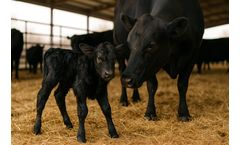
When calves are born within a defined, predictable period, uniformity improves, marketing options expand, and the production cycle becomes easier to manage. The most effective approach combines disciplined reproductive management with intentional nutrition. ...
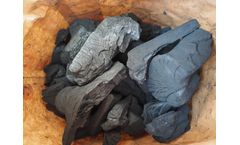
Biochar exhibits remarkable characteristics that make it a promising tool for various environmental applications.Methane Emissions in Animal HusbandryAnimal husbandry is a significant source of methane emissions due to the fermentation process that occurs in the digestive systems of ruminant animals, such as cattle and sheep. Additionally, manure management and ...

In addition to precise perception, control, and decision-making management, in a broad sense, smart farming also includes agricultural e-commerce, food traceability and anti-counterfeiting, agricultural leisure tourism, agricultural information services, and other aspects. ...

Managing your cattle farms, livestock, fisheries, herb of various animals, and everything related to farms manually can be a daunting task that necessitates extra manpower and time, which may divert you from the main goal of establishing farms. ...
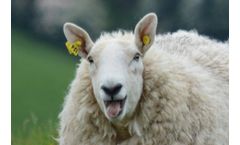
RFID product has been prevalent in animal husbandry for RFID animal tracking such as rfid cattle tracking and quantity management. STAR TREND provides the RFID animal ear tags available in LF (125KHz), HF (13.56MHz) or UHF (860MHz ~960MHz) frequency options. The RFID ear tags are designed for tracking large animals as sheep, cattle and ...

Farming and the development of settlements lead to the beginning of the problem that faces mankind today – how to get drinkable water for humans and cattle and how to manage the waste we produce. The availability of water in large quantities has been considered an essential part ...
This paper highlights the environmental impacts of implementing beneficial management practices to address cattle bedding and direct access to the creek in a study watershed in southern Alberta, Canada. Approximately 35 cow–calf pairs grazed 194 ha of grass forage and had direct access to the creek in the spring and summer. During winter, the ...

The debate around enhanced BSE testing to regain lost markets highlighted the lack of influence of farm producers on BSE risk management policy development, and the inability of Canadian groups such as the Canadian Beef Export Federation to reduce market vulnerability by accessing new markets. ...
Geographic proximity and a long history of integration between US and Canadian cattle industries have resulted in similar management of BSE risk factors. Both countries have had a single imported case of BSE followed by multiple endemic cases of the bovine disease. Comparable risk management strategies have been put in place, such as a ban on the ...
Costa Rica is a representative Latin American country with significant regional cattle production for its size. The country experienced an exceedingly low challenge for bovine spongiform encephalopathy (BSE) as evidenced by no direct meat and bone meal imports from the UK, few imported cattle, no specified risk materials imports from high risk countries, and ...
A combination of vegetable waste, cattle manure and saw dust was utilised for high rate composting in a household rotary drum composter. ...
In this area, the use of fertilisers is becoming more widespread and the accumulation and poor management of cattle slurry and silage sub-products increases the risk of contamination. ...