
Refine by
Charcoal Carbonization Articles & Analysis
209 articles found
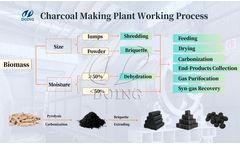
Different application scenarios impose varying requirements on the charcoal's fixed carbon content, calorific value, and shape. Based on this, the initial production capacity and investment budget can be planned, providing a clear direction for subsequent site selection and procurement. 2. ...
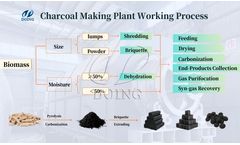
Uneven heating can result in the final biomass charcoal product exhibiting "incomplete carbonization" or lower fixed carbon content, thereby impacting the selling price of the finished product. 3. ...

Optimizing the Thermal Core Operating a high-efficiency carbonization furnace for charcoal requires precise temperature zoning. If the internal environment fails to reach the critical exothermic threshold, the biomass undergoes incomplete volatilization, leaving behind an inferior product with low calorific value.Torrefaction Zone (200°C–300°C): Drives off ...
Biomass residues, including agricultural byproducts, forestry waste, and organic industrial discards, contain latent energy that can be efficiently recovered through carbonization processes. A biochar machine for sale provides the technological framework for this transformation, enabling controlled pyrolysis that produces high-quality charcoal while stabilizing ...
Wood waste carbonization is a thermochemical process that converts raw wood residues into valuable products such as charcoal or biochar. ...
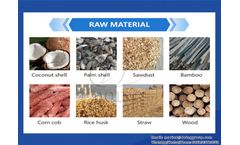
Through the carbonization process, agricultural and forestry waste—which typically holds low intrinsic value—is transformed into high-value biomass charcoal. ...
What is Sawdust Charcoal? Sawdust charcoal is produced by compressing and carbonizing sawdust, a byproduct of wood processing, into solid briquettes or pellets. ...
By converting straw into charcoal, the waste-to-energy process not only captures the carbon content but also reduces the environmental degradation caused by open burning. ...
Charcoal making machines have revolutionized the way biomass is converted into high-quality charcoal. ...
This often involves third-party audits and monitoring to ensure that the carbon credits sold are accurate and reliable. Technological Considerations: Machine for Making Charcoal To participate in the voluntary carbon market, biochar producers must invest in the appropriate technology for carbon sequestration. ...
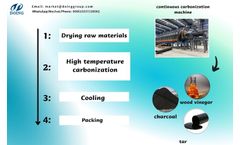
This process improves charcoal production efficiency and reduces waste. 2. Carbonization process: The raw materials enter the carbonization furnace and are heated to a certain temperature in a high-temperature, oxygen-deficient environment. ...
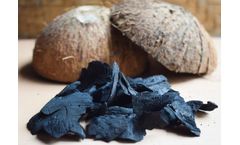
Compared to other biomass raw materials, coconut shells have a higher carbon content and density. Coconut shell charcoal processed with professional carbonization machine has low ash content and a burning time that is typically 2-3 times longer than ordinary charcoal. ...
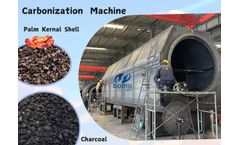
This method offers the advantage of efficient energy recovery, but requires specialized equipment for efficient combustion. · Carbonization: Carbonization machine uses high-temperature treatment on empty fruit bunches to convert organic matter into solid char, which can be used for soil improvement or as fuel. ...
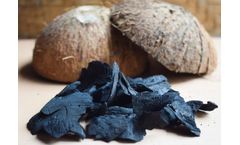
Biomass materials, such as coconut shells or fruit wood, are carbonized to produce charcoal. This process typically involves using a biomass carbonization furnace. ...
Best of all, sawdust has a high lignin content (25-35%), the organic polymer that drives high carbon yield—producing up to 30% charcoal by weight, far exceeding many other biomass sources. ...
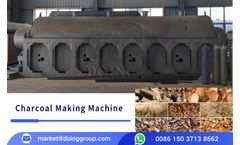
Carbonization machine and process: Different charcoal manufacturing machine and processes directly affect the efficiency and quality of charcoal production. ...
The pyrolytic production of charcoal from biomass residues like palm shells ensures carbon neutrality when managed under sustainable sourcing frameworks. ...
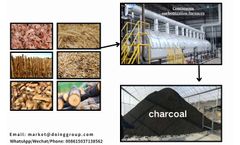
Carbonization ProcessCharcoalization is a critical step in wood charcoal preparation. ...
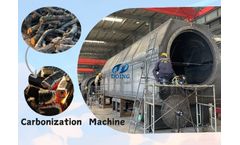
The carbon and minerals in the wood gradually concentrate, ultimately forming charcoal with a high carbon content. ...
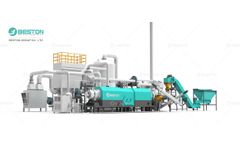
The economic viability of a small charcoal making machine begins with an assessment of capital expenditure and recurring costs. ...