
Refine by
Chemical Spill Articles & Analysis
118 articles found

Choosing a spill control supplier isn’t just about buying a cheaper spill kit. ...

Industries face significant water quality challenges, including heavy metal contamination, chemical spills, and nutrient runoff. These issues impact ecosystems and human health. ...
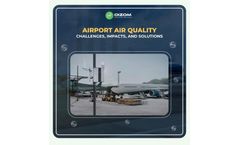
Soil and Water Contamination: Fuel spills, de-icing chemicals, and industrial waste seep into surrounding soil and water bodies, leading to ecosystem disruption. ...
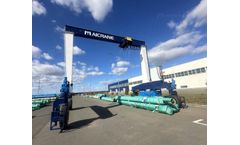
Resist wear and tear from rough terrains, oils, and chemicals. Minimize rolling resistance for efficient fuel or electric power consumption. ...
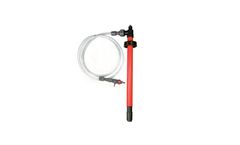
Instead of inefficient hand pumps, a clip-on battery-powered motor enables automatic pumping, reduces carryover and prevents splashing and spilling. Made of durable, chemical-resistant materials such as polyethylene and stainless steel and fitting all common canister sizes (400-700 mm, S60/S70 thread), our pump tubes enable the safe pumping of a range of media, ...
Oil and Gas Industry: In oil and gas pipelines, check valves prevent the backflow of hazardous materials, reducing the risk of spills and accidents. Chemical Processing: Check valves are used to prevent the mixing of incompatible chemicals, ensuring process integrity and safety. ...

Environmental Monitoring and Pollution Control In the aftermath of certain disasters such as oil spills, chemical leaks, or nuclear incidents, INS-equipped drones and robotic systems are deployed to monitor environmental pollution levels and assess the extent of contamination. ...
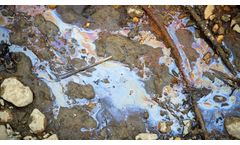
Environmental remediation specialists are vital in addressing contamination caused by industries like oil and gas production, chemical spills, groundwater contamination, soil contamination, air pollution, and hazardous waste management[2]. ...

Environmental Protection and Control Protecting the steel structure factory from environmental factors, such as moisture, humidity, temperature fluctuations, and chemical exposure, is essential for preventing corrosion and deterioration. ...
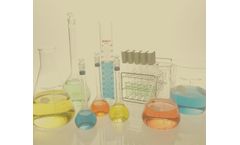
Best Practices for Safe Chemical Handling When working with chemicals in a laboratory, safety should always be your top priority. ...

Wastewater Treatment: Level sensors are used to monitor the levels of wastewater in treatment plants, ensuring efficient operation and preventing spills or overflows. Chemical Dosing: Accurate measurement of chemicals used in water and wastewater treatment is crucial for proper disinfection and purification. Level sensors ensure precise dosing ...
In workplaces where hazardous materials are handled, safety is paramount. HAZWOPER, short for Hazardous Waste Operations and Emergency Response, is a critical set of regulations established by the Occupational Safety and Health Administration (OSHA) in the United States. HAZWOPER ensures the safety of workers involved in hazardous waste operations and emergency response activities. In this ...

By using eco-friendly materials, you would reduce waste and save resources. Chemical Safety Management Multitudes of chemicals and hazardous materials are used in industrial sectors. ...
The training is tailored to the specific hazards workers may encounter in their jobs, such as cleaning up waste sites or responding to chemical spills. Industries and Roles within the Hazwoper Net Hazwoper training is essential in many industries. It is not limited to specific operations, but is needed in various sectors such as chemical ...
Overview The University of Texas/Dallas is developing a method to assess environmental sites that might be dangerous or challenging for humans to enter, such as after a hurricane, oil spill, chemical leak, or other disasters. They have designed an autonomous, integrated robotic system using an unmanned boat, unmanned aircraft, and ground robots. ...
Overview The University of Texas/Dallas is developing a method to assess environmental sites that might be dangerous or challenging for humans to enter, such as after a hurricane, oil spill, chemical leak, or other disasters. They have designed an autonomous, integrated robotic system using an unmanned boat, unmanned aircraft, and ground robots. ...

Due to the nature of this process, splashes of the excess product are commonplace, but a spill or leak could lead to serious harm. Should a spill occur, it is possible that the handler can be doused in a high concentration of alcohol, presenting a fire hazard. ...
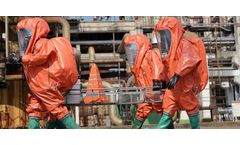
Hazmat training is a term that describes the training and knowledge required for handling hazardous materials. Hazmat training is optional for many jobs, but there are certain situations where it’s necessary to have this kind of knowledge. Since hazardous materials can be dangerous if mishandled, it’s critical that employees who work with them be able to handle them safely. Hazmat ...

One of the most common oil spill cleanup methods is the use of containment booms. These booms are placed around the perimeter of the spill to prevent it from spreading further. ...
The primary objective in emergency spill response is to contain the spill and prevent it from spreading. ...