
Refine by
Clarifier Basin Articles & Analysis
22 articles found
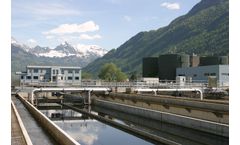
For example, conventional activated sludge uses large aeration basins and clarifiers, while MBRs trade higher capital for a much smaller footprint and higher effluent quality. ...
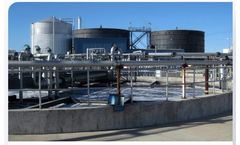
This prevents damage to downstream pipelines and reaction basins. Primary Treatment The objective of primary treatment is to allow organic solids to settle to the bottom of the primary clarifier while simultaneously allowing greases and oils to rise to the surface. ...

From larvae to full-blown swarm, here’s how these pests thrive—and how to stop them in their tracks. What are Midge Flies? The term midge flies or midges, refers to several species of tiny non biting flies. These mosquito like insects are often seen swarming around wastewater treatment plants and sewage lagoons because it is an ideal environment for their larvae, often called ...
Foaming is a common problem in wastewater treatment and can occur in multiple processes (i.e., clarifier, aeration basin, aerobic digester) within a plant. Not only can foaming create hazardous working conditions for operators, but it also hinders the performance of treatment plants. ...

.- Sand trap as ventilated sand and fat catcher or round sand trap.- Primary clarifier as rectangular or round basin.- Aeration as continuous flow or SBR with common container shapes.- Sludge treatment as anaerobic treatment or aerobic stabilization.In AD92 we have revised the databases and made them clearer. ...

Non-metallic chain scraper systems for rectangular clarifiers remove all sludge across the collector at a constant speed of approximately 1,2 m/min. ...

KG to supply a GRP cover for a large combined tank at the Peine sewage treatment plant. The basin, with a diameter of 40 meters, is divided into a primary clarifier and an aeration basin and covers a total area of 1,200 square ...

Cuf was sole sourced for a drinking water facility as it had unmatched purification performance and was the only viable solution for the trend of stricter regulations for reductions in color, THMs, and liquid waste. Cuf achieves all of these water purification requirements and provides an essentially Zero Liquid Discharge solution. A 1 MGD well has been brought online to reduce the demand on its ...

Tube settlers are an inexpensive method of upgrading existing clarifiers and sedimentation basins by allowing increased flow rate and/or improved performance. They can also reduce the footprint of new clarifier construction. There are many different types of tube settlers on the market, with variations in channel shape, material of construction, ...

There are five additional major structures, including a new aeration basin, stabilization basin, clarifier, a bio-tower and ultraviolet light channel structure. ...

Both rectangular and circular configurations have been commonly used in clarifier basins. The relative merits of the two have been discussed at length for decades. ...
By nature of the shape, the calculations for circular clarifiers are a bit more complicated. However, the variables in the equation are standard measurements. To calculate in English units, all you need to know is basin flow in MGD, overflow rate in gpm/ft2, and clarifier diameter in ft. (# MGD) / (# gpm/ft2) / (1440 min/day) = Minimum ...
Sedimentation The sedimentation basin is often located within close proximity of the flocculation basin so that the particles do not have to travel far and will not have a chance to break apart. When they reach the sedimentation basin, the water’s velocity is slowed down so the floc particles can sink to the basin floor. ...

Denitrification occurring in the secondary clarifier basins has been observed by many researchers, but until now N2O emissions from secondary clarifiers have not been widely reported. ...
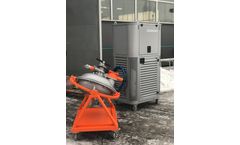
Further treatment is carried out in the chain of reactors Neutralized and defluorinated wastewater are entered in clarifier. The wastewater settles out in that clarifier basin. Residual fluorine content in sterilized wastewater is 50-60 mg/dm3, pH 8-12, calcium content is 2500-6000 mg/dm3. ...

Abstract: Integrated pulp & paper mill with an aerated stabilization basin built in 1969 was so full of solids that the mill was having several problems: degradation of treatment performance, inability to access aerators for maintenance, safety concerns, high energy usage, severe short circuiting. ...

Spray nozzles were strategically placed to address problematic areas such as the aeration basin, clarifier, pulp dryer exhaust stack and exhaust fans for the roof and windows. ...

With a daily average flow of 0.25 million gallons per day, the plant had tremendous amounts of foam and grease in the aeration basin with the sidewalls caked with sludge. The centerwells of the clarifier were filled with foam and grease. The surface of the clarifier and the weir troughs were covered with foam. The operators were spending ...

The initial treatment consisted of a total of 50 lbs of Sewper Rx, distributed between the aeration basin and the secondary clarifiers. Within 30 days an improvement in water quality was noted, but the plant was still marginally above its BOD and TSS limits. ...

The addition of carrier media to the activated sludge system allows treatment of increased loads as well as nutrient removal, without the need for additional tankage (both aeration basins and secondary clarifiers). Additional benefits of the system include: Operation of nutrient removal systems at low suspended-growth sludge ages, thereby reducing settling ...