
Clarifier Primary Articles & Analysis
70 articles found
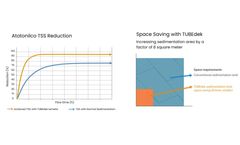
Brentwood aided in this large project by providing a highly efficient lamella system for the plant’s primary treatment process, covering more than 10,000 m² (107,639.1 ft²).The Challenge Atotonilco faced high concentrations of total suspended solids (TSS), especially during the rainy season. ...
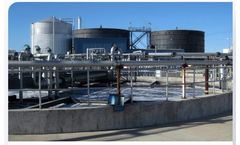
This prevents damage to downstream pipelines and reaction basins. Primary Treatment The objective of primary treatment is to allow organic solids to settle to the bottom of the primary clarifier while simultaneously allowing greases and oils to rise to the surface. ...

In the blazing heat of Farmville, where the wheat swayed with the wind and the sun blazed on the corn, a brewing storm was underway. Once a blooming farming community with a large population, the community dwindled down to a hybrid rural municipality with 10,000 residents who focused on both renewable and non-renewable resources to extend their aeration wastewater treatment plant. However, that ...
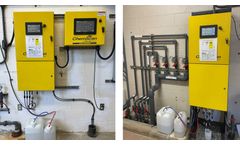
Two ChemScan sequencers were installed to monitor the plant’s five-stage BNR process, testing for nitrite, nitrate, ammonia and phosphorous from primary clarifier influent through tertiary filter effluent. Challenge The McDowell Creek Water Resource Recovery Facility, part of Charlotte Water, expanded from a permitted capacity of 6 MGD to 12 MGD in 2007. ...

.- Sand trap as ventilated sand and fat catcher or round sand trap.- Primary clarifier as rectangular or round basin.- Aeration as continuous flow or SBR with common container shapes.- Sludge treatment as anaerobic treatment or aerobic stabilization.In AD92 we have revised the databases and made them clearer. ...
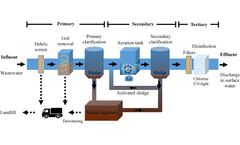
Primary treatment methods for suspended solids in wastewater can seem like a daunting task. ...
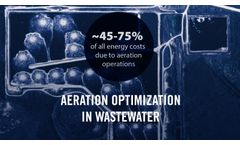
REAL-TIME COD/BOD MONITORING IMPROVES PROCESS CONTROL It is possible to complement the information gained by real-time DO levels with real-time BOD/COD data obtained at the effluent of primary clarification for a more effective aeration control strategy that allows plants to operate with a more flexible margin around set DO levels, and adjust aeration rates dynamically based on ...
Information can be utilized to more effectively dose coagulant chemicals to improve BOD and TSS removal efficiency at primary clarifiers or improve control of aeration rate and recycle ratio in activated sludge processes.For treatment plants that are prone to organic loading spikes, such as industrial wastewater treatment plants, municipal wastewater plants ...
Monitoring organic loading ,via rapid or real-time BOD/COD measurement, early in the municipal wastewater treatment process empowers you to: Detect and identify industrial discharge events Optimize chemical addition for incoming wastewater COD/BOD, decreasing the potential for under- or overdosing Improve clarifier performance, increasing sludge quality and reducing handling ...

With new knowledge, techniques, and technologies being researched and discovered, the wastewater treatment industry is constantly growing and requires an ever-evolving mindset. Unfortunately, some knowledge and practices shared throughout the years have become distorted, with advice ranging from not quite right to outright wrong. We will be looking into and addressing three common misconceptions ...
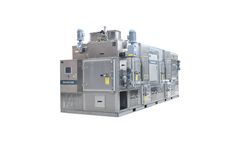
Sludge is mostly water with some amounts of solid material removed from liquid sewage. Primary sludge includes settleable solids removed during primary treatment in primary clarifiers. Secondary sludge is sludge separated in secondary clarifiers that are used in secondary treatment bioreactors or processes using ...
Sludge is mostly water with some amounts of solid material removed from liquid sewage. Primary sludge includes settleable solids removed during primary treatment in primary clarifiers. Secondary sludge is sludge separated in secondary clarifiers that are used in secondary treatment bioreactors or processes using ...
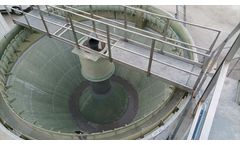
Settling is a solid-liquid separation process commonly used in water treatment. The Static Clarifiers are designed especially for biological processes like for example secondary sedimentation. However, lamellar clarifiers are designed for the separation of inorganic solids, usually in primary sedimentation. ...
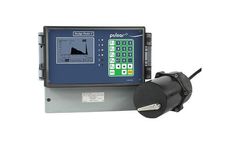
In the wastewater treatment process, the primary clarifier is designed to dispose of floatable solids from the surface by skimmers, while allowing the heavier and settleable solids to form a layer of sludge at the bottom of the clarifier. ...

Before sludge thickening occurs, many systems add clarifying agents and mix them into the fluid. After reaching primary or secondary clarifiers, the sludge is then stirred to help the material settle and thicken. A gravity thickener reduces the final volume of the material. In the primary stage, the sludge is between 8 and 10 ...

In addition to these surface aerators, Landustrie earlier supplied a new LANDY screw pump for the influent pumping station and refurbished the clarifiers of the existing primary settling ...

Its wastewater treatment plant consists of primary and secondary clarifiers, two biological reactors and four anaerobic digesters to produce ...

The system that they had in place for their Primary Circular Clarifier was frequently out of commission and required unsafe and unsanitary methods to get the system up and running again. As repair and commission costs continued to rise, The City of Florence needed a reliable and cost-effective solution that could provide proper sludge level readings in the ...

The basin, with a diameter of 40 meters, is divided into a primary clarifier and an aeration basin and covers a total area of 1,200 square ...
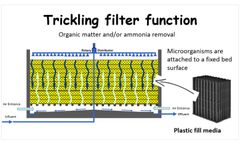
Nowadays, the fixed bed surface is usually provided by structured plastic fill media but in the past rock, gravel and hardwood was also used. Wastewater from primary clarifiers is continuously trickled over the first layer of plastic fill media using a rotary distributor. ...