
Classifying Cleanroom Articles & Analysis
8 articles found
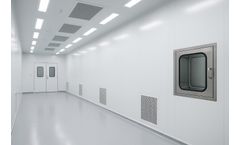
ISO 14644-1 classifies cleanrooms by the maximum allowable airborne particle concentrations per cubic meter of air, covering ISO classes 1 through 9. ...
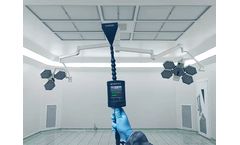
At Lighthouse Worldwide Solutions®, we don’t just build products: we build partnerships with the people who rely on them every day. That’s why the newest version of the ScanAir Pro is more than just an upgrade; it’s a direct response to the challenges faced by cleanroom professionals around the world. ...
Gas Sampling in Cleanrooms In cleanrooms, especially those classified ISO 5 or cleaner, maintaining contamination control is paramount. ...
It can accurately measure size distribution in low concentration environments such as rural ambient air and cleanrooms, where size-classifying instruments based on electrical mobility fail, right up to high concentration environments like urban ambient air. ...
Welcome to our EU GMP Annex 1 questions and answers blog, where Particle Measuring Systems answers commonly asked questions about the latest changes to regulation. Listen to this useful webinar to learn more about the latest updates to EU regulation in the pharmaceutical ...
Cleanroom Classification Annex 1 provides essentially the same cleanroom classification definition as ISO 14644-1: 2015 which is a “Method of assessing the level of cleanliness against a regulatory specification for a cleanroom or clean zone.” Annex 1 also defers to ISO 14644-1:2015 definitions for the various ...
How Positive-Pressure Cleanrooms Works To understand ISO positive-pressure cleanroom classifications, one first has to understand how these cleanrooms work. ...
The ISO 14644-1 standard is for classifying air cleanliness in cleanrooms, and ISO 14644-2 for monitoring air cleanliness in cleanrooms. They ensure everyone has the same frame of reference when looking at their monitoring data. To meet ISO cleanroom classifications, the particle counter’s maximum concentration must be ...