
Refine by
Climate Change Strategy Articles & Analysis
123 articles found

Jakarta faces severe air quality challenges due to rapid urbanization, industrial activities, and vehicular emissions. Levels of pollutants like PM2.5, which pose critical risks to human health, regularly exceed Indonesia’s Ambient Air Quality Standards and the World Health Organization’s recommendations. Residents are at increased risk for respiratory diseases, cardiovascular issues, ...
ByENVEA

As industries and governments pursue sustainable resource utilization strategies, biochar production equipment has emerged as a practical solution for converting biomass waste into valuable carbon-rich products. ...
In an era marked by escalating climate change, soil degradation, and waste accumulation, finding sustainable and multifunctional solutions to address these interconnected environmental challenges has become imperative. Among the emerging green technologies, biochar stands out as a versatile and cost-effective material that holds great potential for mitigating ...
The global fight against climate change has spurred innovative solutions to reduce carbon emissions and enhance carbon sequestration. Among these, biochar carbon credit trade is emerging as a promising mechanism to incentivize sustainable practices while mitigating climate change. But why does it matter? This article delves into ...
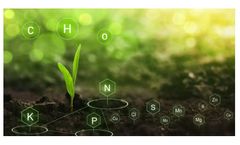
Introduction Soil quality is a pivotal factor in sustainable agriculture and combating climate change. The new European Union (EU) Soil Monitoring Law aims to address this by ensuring healthy soils across all member states by 2050. ...

Introduction: Climate change poses significant challenges to agriculture, impacting crop yields, water availability, and pest dynamics. In the face of these challenges, climate-smart agriculture has emerged as a holistic approach to sustainably increase agricultural productivity, enhance resilience to climate ...
ByJXCT

Tracking pH changes over time can inform conservation strategies, ensuring optimal conditions for vulnerable populations and promoting sustainable management practices. Climate Change Response: Ocean acidification, a direct consequence of rising carbon dioxide levels, is pushing the pH of our oceans towards dangerous levels. ...
The data collected over time helps scientists and researchers understand climate change, assess its impact on ecosystems and human activities, and develop strategies for adaptation and mitigation. ...

These systems continuously collect and transmit data to a central database, allowing for remote monitoring and prompt response to turbidity changes. Online systems enhance the efficiency of water quality management. ...
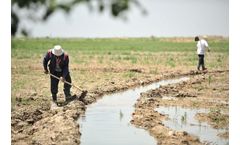
The Central and West Asia and North Africa (CWANA) region is highly vulnerable to the impacts of climate change. The agricultural sector is particularly susceptible, employing 50–60% of the labor force and contributing significantly to the region’s socio-economic development. The CWANA region is already experiencing more frequent – and intense – droughts and heat waves. ...
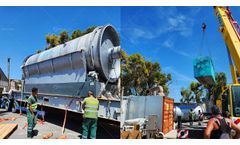
With the pressing need to address climate change and environmental degradation, investing in such sustainable technologies becomes crucial for a better future. ...
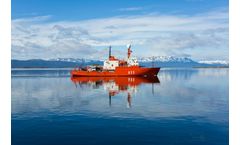
It focuses primarily on measuring gases besides nitrogen, oxygen, and argon, which form the bulk of our atmosphere (~99.93%), such as CO2, and their impact on ocean acidification and climate change. With the help of mass spectrometry, oceanic trace gas analysis provides insights into the exchange of gases between the ocean and atmosphere, air-sea trace gas ...
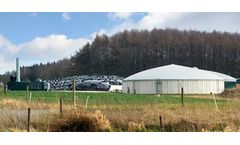
Preventing escape of methane gas from natural and human activities is a vital part of strategies to slow climate change In the United States, local, state, and federal agencies — together with leaders in the private sector — have implemented several voluntary and regulatory efforts to reduce methane emissions. Gas emissions from ...

Prairie Resilience: Made-in-Saskatchewan Climate Change Strategy In December 2017, the Government of Saskatchewan released Prairie Resilience: A Made in Saskatchewan Climate Change Strategy, which set out commitments related to reducing greenhouse gas (GHG) emissions from the upstream oil and ...
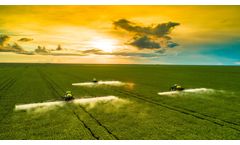
Agriculture in the UK is responsible for 9% of total greenhouse gas emissions, with that number rising to 30% of worldwide total emissions.1 There are a variety of sources for such gases in agriculture, including methane production from livestock, carbon dioxide release on soil disturbance, and emissions from farm machinery.2-4The question is how to reduce such emissions. Under the 2008 ...

Solutions like desalination and water reuse can help the arid state achieve water sustainability California has a Mediterranean climate, characterized by hot, dry summers and mild, wet winters. But climate change has resulted in uncertain water supplies and prolonged periods of drought, which in turn has led to water scarcity across the state. ...

NRW is a significant financial loss, uses valuable maintenance resources and doesn’t bode well in times of extreme drought and climate change. To inform maintenance strategies, spreadsheets are the most popular tool for analyzing NRW and customer big data sets. ...

Water availability, soil conditions, rainfall variability, and climate change may all be challenging issues for farmers and the population’s food security. ...

A few years ago, the consequences of climate change were limited to research and academic debates; however, scientists and governments are slowly formulating systematic approaches to reduce the impact of growing environmental degradation. It is important to understand that climate change is an abstract term used to describe a ...
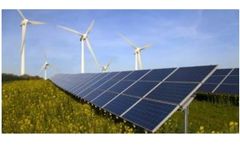
As climate change is the most defining issue of current times, achieving carbon neutrality by 2050 has become an indispensable priority for the world. We are at an overcritical juncture, where climate change is moving faster than us, and every half degree is making a world of difference. As we all know, companies are largely responsible for the rising level of emissions; it is vital for them to ...