
Refine by
Climate Pollutant Articles & Analysis
237 articles found

Discover the top water tech trials bottlenecks that derail innovation, and learn practical ways to avoid them. This is the second of a three-part blog series on how the Trial Reservoirs Initiative is helping accelerate tech adoption in the water sector and beyond. Want to steal our model? Find out how in our first blog, here. The global water industry is experiencing a boom in tech trials ...

Objectively, air pollution is not the root cause of heatwaves, and global warming remains the core driver of frequent extreme climates. ...

For industrial equipment such as heavy duty overhead cranes, these standards encompass several domains:Energy Efficiency: Reducing electricity consumption during crane operation.Emissions Control: Limiting pollutants generated by power sources, such as diesel generators or backup engines.Noise Pollution: Minimizing the sound produced during crane operation to ...

Structured IAQ visibility enables identification of particle trends, localization of high-traffic or high-emission sources, and data-driven decision-making without disrupting production.Environmental Impact Beyond the Factory GatesBlack carbon emissions can escape to the surrounding environment, contributing to site-specific and regional air pollution. As a short-lived ...

As aquatic ecosystems face mounting pressure from nutrient pollution and climate change, harmful algal blooms (HABs) continue to threaten biodiversity. ...
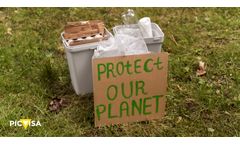
No one will remain unmoved by these data: Plastic pollution In 2024 alone, humanity generated approximately 400 million tonnes of plastic waste, according to OECD data, which forecasts exceeding 408 million in 2025. The percentage of plastic waste in the world is surprising: it is estimated to represent 10% of total waste, according to an OECD report. Plastic ...

Real-time monitoring technologies and innovative water management strategies, including smart lake management and ultrasound treatment, are essential for effectively addressing the challenges of emerging pollutants. Climate change is heightening water pollution, leading to more frequent harmful algal blooms that degrade water quality and ...
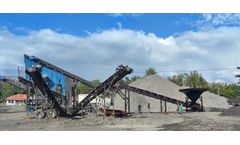
The emissions from traditional material transport contribute to air pollution, climate change, and regulatory penalties. Mobile crusher plants significantly mitigate this issue by reducing reliance on fuel-intensive transport systems. ...

With the Ofwat Innovation Fund doubling to £400 million and extending to 2030, the opportunities for transformative solutions in the water sector are bigger than ever. As a delivery partner, Isle Utilities will lead the design and delivery of the new Implementation Programme, working alongside Challenge Works and Arup to bring groundbreaking ideas to life. We sat down with Caroline ...

Algae blooms are often fueled by nutrient pollution and climate change. They threaten not just water quality but also the economic and recreational value of lakes. ...

Furthermore, HABs—driven by nutrient pollution and climate change—release organic compounds that exacerbate DBP formation during chlorination. ...

Summary Explore a holistic approach to combat surface water pollution, focusing on controlling harmful algal blooms (HABs). Discover how real-time data, technology, and nature-based solutions can transform water management, enhance collaboration among stakeholders, and ensure sustainable, long-term protection of aquatic ecosystems. Surface water pollution is ...

Atmospheric aerosol is one of the main drivers of climate changes. Importance of accurate global aerosol characterization for climate studies and air pollution monitoring is a well recognized problem (e.g., see IPCC AR5 by Boucher et al.2013). ...
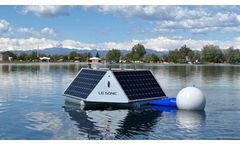
Yet, our water bodies face unprecedented challenges from pollution, climate change, and human activities. World Water Monitoring Day, celebrated annually on September 18th, is a crucial reminder of the importance of protecting and preserving water resources for current and future generations. ...

As the global environment continues to buckle under the combined pressures of population growth, climate change, urbanisation, pollution and increasingly frequent extreme weather events like drought and flooding, it will become ever more important to prioritise the sustainable use of natural resources, something that is championed by the UN’s 2030 Agenda ...

It provides us with reliable energy, but it also contributes significantly to climate change and environmental pollution. As we strive for a sustainable future, the search for alternative energy sources intensifies. ...

Yet, it is becoming increasingly challenging due to pollution, climate change, and unsustainable practices. Algal blooms further complicate water contamination, severely impacting the quality and availability of freshwater resources. ...
These gases trap heat in the Earth's atmosphere, leading to rising temperatures and destabilizing the climate. 2. Air Pollution The combustion of plastics releases a myriad of hazardous air pollutants, including dioxins, furans, volatile organic compounds (VOCs), and heavy metals. These pollutants have been linked to respiratory ...
Farmers often burn straw to quickly clear fields after harvest, but this method releases harmful pollutants and contributes to climate change. As the world seeks sustainable agricultural practices, exploring alternatives to straw burning becomes essential. ...

Instead of allowing tires to languish in landfills or pollute the environment, recycling them into useful products helps conserve resources and reduce pollution. ...
ByEcoverva