
Coagulation Factor Articles & Analysis
17 articles found

Applications of Protein Fusion Technology With the development of genetic engineering technology, many protein drugs have been obtained by means of genetic engineering, including peptides, cytokines, coagulation factors, enzymes, hormones, growth factors, etc. The fusion molecule is produced by coupling the cDNA of the drug protein to the cDNA of ...
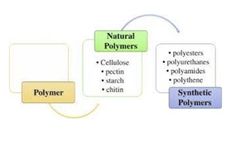
Understanding Natural Flocculants versus Synthetic Polymers in Wastewater Treatment In the intriguing world of coagulation and flocculation, suspended solids and color removal revolve around destabilizing impurities in wastewater. ...

Those with haemophilia have insufficient clotting factors, making them prone to dangerous internal bleeding. Depending on which clotting factor is lacking, haemophilia can be classified as: Haemophilia A – where there is a lack of clotting factor VIII. ...
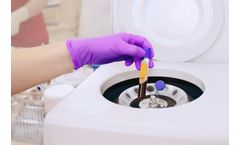
It contains many important components such as water, minerals, clotting factors, proteins, electrolytes, and anticoagulants.Fresh Frozen Plasma is prepared by separating whole blood and extracting the liquid portion (plasma). ...

Organic matter in water creates a high demand for coagulants significantly affecting the dose required for optimum coagulation. ...

SFM has been producing alginate products since the early 1980’s and still to this day alginates are an important product for our business. Alginate dressings are classed as ‘advanced wound care’, a label that up until now I have strongly disagreed with. How can a relatively simple dressing be thought of as ‘advanced’ in the current market? With newer ...

This work evaluated the performance of a dissolved air flotation (DAF) system for biomass recovery from the effluent of algal ponds used for sewage treatment in Northeast Brazil. Two different coagulants and effluent samples were tested following a random-factor experimental design (34–1–4 factors and 3 levels), in triplicate. ...
Predicting the coagulant dosage is especially crucial to the purification process in water treatment plants, directly affecting the quality of the purified water. ...
The operating cost balance depends on the type of applied coagulants/flocculants and specific costs of electric energy. The choice of the coagulant/flocculent was found as the main factor determining a positive cost balance. ...
The variation in PCA factor scores revealed that single PAC coagulation preferentially removed algal cells (Factor 2) but had little effect on NH3-N and T-P (Factor 3). Single UV-C treatment induced degradation of protein-like CDOM and decrease of algal biomass (Factor 2), followed by humic-like CDOM increase ...
The existence of the positive colloids in suspension with the negative colloids suggests that, while electrodynamically unstable, some stabilizing factor is preventing coagulation. This stabilizing factor is likely adsorbed humic acid causing steric hindrance. Further tests indicated that under the conditions that lead to the existence of ...

Parameters affecting microorganism disinfection such as radiation dose showed that complete disinfection was obtained at radiation dose 2 kGy. Factors affecting coagulation such as settling time, aluminium sulphate concentration were also studied, it was found that Al2(SO4)3.16H2O at concentration 10 g/L and pH 8 showed the better coagulation at ...
Low pressure membranes can be effective in treating various types of water, but are subject to fouling. In this work, chemical coagulation was studied as a pretreatment to ultrafiltration (UF), with the goal of mitigating fouling while maintaining high permeate water quality. Alum and ferric chloride were evaluated, as well as two polyaluminum chloride (PACl) products of different basicities ...
In this study of coagulation operation, a comparison was made between the optimum jar test values for pH, coagulant and coagulant aid obtained from traditional methods (an adjusted one-factor-at-a-time (OFAT) method) and with central composite design (the standard design of response surface methodology (RSM)). ...

This study investigated the floc aggregation, average floc size, floc size variance and floc growth velocity when ferric chloride (FeCl3) and polyferric chloride (PFC) were used to treat the simulated water samples. The factors including coagulant dose, ionic strength and solution pH, which affect the floc aggregation, were studied. ...

In this study, the removal of suspended and colloidal particles and natural organic matter (NOM) at various coagulant doses and coagulation pHs was assessed through raw and treated water measurements of turbidity, UV254 absorbance, TOC, and dissolved organic carbon (DOC). ...
Potassium ferrate was synthesized using ferric chloride, and its effects on the oxidation of arsenic(III) in water treatment were investigated. Under given coagulation conditions, the effects of several factors on arsenic oxidation efficiency were examined, which include the mole ratio of Fe(VI) and As(III) added in water and the time elapsed between the addition ...