
Coagulation Jar Testing Articles & Analysis
11 articles found
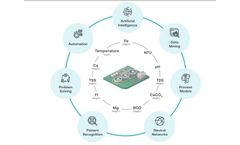
Traditionally, the optimum coagulant dose is determined by jar testing which has multiple limitations. ...

However, the use of alum can increase the residual aluminium concentration both in the effluent and biosolids. Chitosan, an alternative coagulant, does not allow for the removal of TP below the requirement level when lower than the soluble phosphorus fraction of the water. ...

In recent climatic events in Australia, the need for frequent jar testing to determine optimum coagulant and flocculant aid doses became apparent in order to determine optimum treatment efficiencies. The generally applied jar test procedure can be time consuming and this prompted investigations for capacity to ...
In this study, eight different raw water samples from the various water types found in the country were seasonally collected and treated for the removal UV absorbance at a wavelength of 254 nm (UV254) using enhanced coagulation (EC). The efficacy of EC, which can be employed as a practical technology in the removal of both turbidity and NOM, was evaluated in remaining UV254 from ...
In this study, coagulation efficiencies for each growth phase of Microcystis aeruginosa, one of the main species involved in eutrophication in South Korea, were examined at the laboratory scale to obtain data on removal characteristics of this organism during the coagulation process. ...
In this study of coagulation operation, a comparison was made between the optimum jar test values for pH, coagulant and coagulant aid obtained from traditional methods (an adjusted one-factor-at-a-time (OFAT) method) and with central composite design (the standard design of response surface methodology (RSM)). ...
The chemical coagulation process is a popular method for eliminating the precursors of disinfection by-products. ...
Jar tests with synthetic water were carried out in order to investigate the effect of phosphate, bicarbonate and silicate on arsenic removal efficiency by in-situ formed ferric hydroxide. ...
The chemical coagulation process is a popular method for eliminating the precursors of disinfection by-products. ...
During the filter-clogging episode, full-scale Synedra removal by coagulation with polyaluminium hydrogen chloride silicate (PAHCS), flocculation and sedimentation ranged from 20 to 70%. To reduce filter clogging, strategies needed to be developed to improve the coagulation of Synedra. Jar test results showed that alum was more ...
During the filter-clogging episode, full-scale Synedra removal by coagulation with polyaluminium hydrogen chloride silicate (PAHCS), flocculation and sedimentation ranged from 20 to 70%. To reduce filter clogging, strategies needed to be developed to improve the coagulation of Synedra. Jar test results showed that alum was more ...