
Coal Ash Containment Articles & Analysis
8 articles found
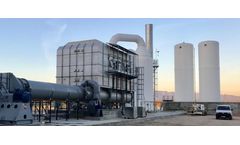
Wet and corrosive gases are those containing acidic chemical compounds, for example, hydrogen chloride (HCl), hydrogen fluoride (HF), SOx, that can generate sulphuric acids (e.g. H2SO4) and bases (e.g. ammonia NH3). These gases must be duly treated and cleaned in order to reduce their concentration and flow before they can be safely released into the ...
ByTECAM
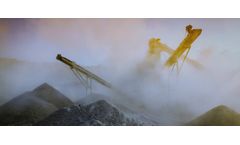
“Dust” is the generic term used for solid particles with a diameter of less than 500 micrometres, and in more general terms for the fine matter that is found suspended in the air. Commonly, dust is generated by industries that work with large amounts of solid materials that are susceptible to shedding, thereby creating particles. These may be of varying sizes, and are generally ...
ByTECAM

The processes of ashing can generally be split into two categories: wet ashing and dry ashing. ...

In December 2008, 4.1 million m3 of coal ash were released into the Emory and Clinch Rivers by the Tennessee Valley Authority (TVA) Kingston Fossil Plant. Coal ash contains several contaminants, including the bioaccumulative metalloid selenium (Se). ...
On December 22, 2008 a dike containing coal fly ash from the Tennessee Valley Authority Kingston Fossil Plant failed and resulted in the largest coal ash spill in U.S. history. ...

Depending upon comments the EPA gathers, industry may have to or not have to close out their coal ash containment ponds within five years. On May 4, 2010, EPA issued its long-awaited proposal to manage coal ash – the byproduct of burning coal to generate power. ...

One of the unresolved burdens haunting the coal sector, in addition to the emissions of CO2, is what to do with the coal ash—the remnant of burning coal—that is accumulating in 194 landfills and 161 holding ponds in 47 states. ...
A Symptom of Accumulation Coal ash has been accumulating for years at U.S. electric utilities. ...