
Refine by
Coal Producing Articles & Analysis
109 articles found

Abstract Coal fly ash is a low-value by product generated during industrial coal utilization, especially in coal gasification processes. Large volumes of this material are produced annually by coal chemical enterprises, much of which is disposed of via landfill. ...
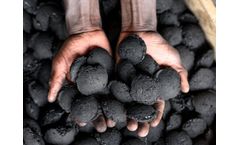
Typically, hardwoods such as oak, hickory, and maple are favored because of their dense structure and ability to produce longer-lasting, hotter coals. The type of wood used plays a significant role in the calorific value and aroma of the final product. ...
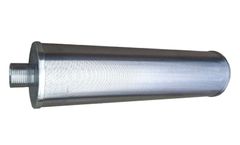
Coal processing or coal beneficiation uses physical (mechanical) and/or chemical methods to remove rocks, dirt, ash, sulfur and other contaminants and unwanted materials to produce high-quality coal for energy in local and export markets. ...

Offers high compression and is ideal for producing high-density briquettes. Screw Briquette Machine Uses a screw mechanism to feed and compress materials. Commonly used for biomass materials such as wood, sawdust, and agricultural residues. Produces cylindrical or hexagonal briquettes with a central hole. Mechanical Briquette Machine Uses mechanical force to ...
Renewable Energy Production The bio-oil and syngas produced during pyrolysis serve as renewable energy sources. Bio-oil can be refined into biofuels, which can replace fossil fuels in various applications, from heating to transportation. ...

Funding, Licenses and All Permits as well as Feedstock Supply and Offtake Agreements have been Granted to Immediately Begin the Project. Genoil Inc. signed an agreement with the Ras Madrakah Petroleum Industry Company and Beijing Petrochemical Engineering Company, a subsidiary of Yanchang Petroleum International Limited to develop a greenfield Genoil Upgrading refinery with a capacity of 200,000 ...
Additionally, the inlet of the feeding machine must be securely closed.Step 2: HeatingNext, the fuel material, which may include LPG, tire oil, wood, natural gas, or coal produced from waste tires/plastic to fuel oil pyrolysis plant, is gently heated inside the pyrolysis reactor. ...
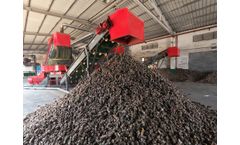
Experimental environment In a 4800t/d cement clinker production line of a Chinese company, the built cement kiln collaboratively disposed of 500t/d of domestic waste project was tested, using SRF alternative fuel to replace part of the traditional fuel "coal" to produce cement clinker. 3. Operation parameters of the actual test In this study, the gradient test ...
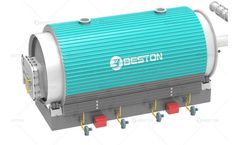
Because the vehicle industry expands in proportions, the quantity of trash tires produced climbs in proportion. Because of this, it can be reasonable to assume that waste tire pollution is becoming worse by the day. ...

With the continuous reduction of world oil resources, coal chemical industry has become an important development direction with broad prospects.During the coal gasification process, a large amount of coal will be burned and a large amount of industrial liquid will be produced. ...

Characteristics of biomass gas ( 1) The sulfur material, ash content, as well as nitrogen material of biomass fuel are far less than those of coal and oil. It is an eco-friendly and tidy power source, which is smokeless and also unsmelling, as well as delights in the credibility of "green coal". ( 2) Biomass gas has a high calorific value, and ...

CH4 protable gas detector Methane is the main harmful gas in coal mines, which seriously threatens the safety of underground operators. ...
Background- The most important corrosive gas in the atmosphere is SO2, which accelerates the corrosion process of most metals. My country is the largest coal producer and consumer in the world. SO2 pollution is very serious. ...
China is the world’s largest producer and consumer of coal. So the air pollution caused by sulfur dioxide is very serious. ...
In the traditional sense, this is the origin of acid rain. China is the world’s largest producer and consumer of coal. So the air pollution caused by sulfur dioxide is very serious. ...

The rise of the biomass energy industry is directly pertaining to environmental pollution as well as power usage. In recent years, coal has been prohibited in locations with fast economic growth and significant environmental pollution, and also it is advocated to change coal with biomass gas pellets. ...

More than 70,000 tonnes of dry coke, anthracite, blown coal and alloying coal are produced each year for the iron, steel and electrode industries throughout Europe, as well as for other areas of application. Anthracite coal is of particularly high quality. At the beginning of the processing process, the material is in powder ...
ByENVEA

Abstract In the areas of Hydrocarbon Exploration and Production, removal of hydrocarbons are becoming increasingly dependent on injected and re-injected fluids to facilitate hydrocarbon release; as new smaller wells and existing well life spans are being forced to increase with age. A large part of the fluids used in this process are fresh and salt (sea) water, natural gas, and some man made ...
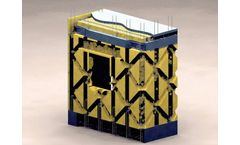
EU statistics show that greenhouse gas emissions from private households are around 900,000,000 tonnes per year, and in 2012 75% of energy used for heating and cooling was produced from gas, coal, oil or other fuels fossils. Energy poverty and carbon emissions need to be tackled together because they have a common cause: the energy inefficiency of housing (4) ...
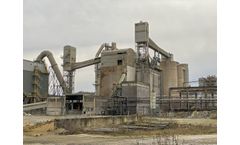
Besides, about 40% of industrial dust emissions come from particulate matter produced by cement production. It means that about 230,000 tons of standard coal will be consumed to produce 1 million tons of cement, generating over 600,000 tons of CO2 and other toxic gases such as CO, SO2, and H2S. ...