
Refine by
Cod Analyzer Articles & Analysis
13 articles found
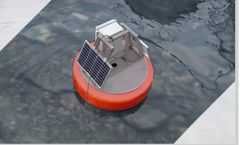
Water quality sensor is the front end of water quality monitoring systemLaboratory water quality analyzer-COD, BOD, PH, turbidity Laboratory water quality analyzer (laboratory water quality testing equipment), adopts sealed catalytic digestion, and then uses colorimetric method to measure, advanced cold light source, narrow band interference ...
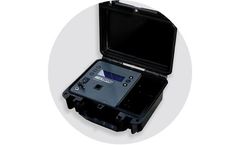
Water and Wastewater Management Just Got Easier. In 2021, Real Tech continued to innovate creating the world’s most advanced multiple UV/VIS LED water quality monitoring and testing platform. Our innovative technologies allowed us to take advantage of the benefits of utilizing multiple ultraviolet and visible LEDs within our new dedicated platform of real-time sensors and portable field ...

MANTECH is proud to offer this presentation summarizing our analytical product line followed by a demonstration of our MT-100 Analyzer for pH, Conductivity and Alkalinity. MANTECH’s product home pages are linked below: PeCOD COD/BOD Analyzer PeCOD Optimized TOC Analyzer MT Automated Environmental Titration System BOD ...

During its early days of product development, the Ontario Clean Water Agency, or “OCWA,” provided MANTECH an opportunity to test its PeCOD® COD analyzer at the Clarkson Wastewater Treatment Facility in the Region of Peel in Ontario. ...

Separate and interactive effects of PS dosage, Fe(II)/PS ratio and initial pH on chemical oxygen demand (COD) removal were analyzed by the response surface methodology (RSM). The results showed that Fe(II)-PS system was effective in COD removal from the secondary effluent. PS dosage was the most dominant factor with positive influence on ...
The oxidation of ibuprofen (IBP) in water was evaluated using oxidative treatments: ozonation, sonication, hydrogen peroxide addition and combinations of these processes. After 20 minutes of treatment, ozone coupled with hydrogen peroxide at pH 7, 15 °C, an ozone dose of 16 mg/L and a hydrogen peroxide concentration of 7.1 mg/L was found to have the highest IBP (95%) and chemical ...

“This study investigated the use of a photoelectrochemical chemical oxygen demand (peCOD) analyzer for the detection of model organic compounds and natural organic matter (NOM) from four drinking water treatment plants in Nova Scotia, Canada. Most model organic compounds showed reasonable correlation between peCOD and theoretical oxygen demand (ThOD), indicating that peCOD ...
The FPCR approach was used to predict the reduction in chemical oxygen demand (COD) and biological oxygen demand (BOD) of treated wastewater of Vidyaranyapuram STP with respect to the relations modeled between fuzzy partitioned PCA scores and target output. ...
The chemical pollutant indexes of chemical oxygen demand (COD) were analyzed to evaluate the removal efficiency of organic pollutants from the secondary effluent of the wastewater treatment plant. ...
Performance of Constructed Wetland planted with vetiver grasses for the treatment of leachate was investigated in controlled experiments involving horizontal subsurface flow constructed wetland (HSSFCW). The HSSFCW experimental unit had two cells, one planted with vetiver grasses and another bare. Both units were packed with limestone gravel as substrate and were operated with equal hydraulic ...
In order to meet increasingly strict Brazilian COD emissions limits, mills must understand the components that contribute to effluent COD, how these vary between normal mill operation and maintenance shutdowns, and how this variation affects treatment efficiency. To this end, primary and secondary effluents from a Brazilian bleached eucalypt kraft pulp mill ...
Temperature, electrical conductivity, pH and DO were measured in-situ with the use of appropriate instruments at the same points of water sample collection. Water samples were analyzed for BOD, COD, TKN, ammonia, nitrate, nitrite, total phosphorus (TP), ortho-phosphate (OP), total suspended solids (TSS) and total coliforms (TC). Mean removal efficiencies for the ...
The degradation of used cooking safflower oil aqueous solutions by photolysis, Fenton, and photo Fenton under solar light is reported. The processes were carried out in a photochemical reactor with recirculation. Operating variables such as, pH, oil concentration and molar ratio of [H2O2]:[oil] were investigated to test their effects on the treatment efficiency of Fenton process. Also the iron ...