
Refine by
Coffee Waste Articles & Analysis
28 articles found

The U.S. Navy conducted formal testing on magnetic fuel conditioning technology using heavily aged #2 diesel fuel. The tests involved recirculating the fuel through a fuel polishing system. This integrated system combines mechanical filtration with magnetic fuel conditioning technology. Key results from the published Navy fuel analysis report are summarized ...

The automation of molded pulp manufacturing has revolutionized the production of beverage packaging, particularly in the case of coffee cup tray machine systems. Designed for high precision and continuous throughput, these systems cater to the growing demand for eco-friendly, single-use cup holders commonly found in cafes, convenience stores, and fast-food chains. ...

We're thrilled to share the findings of our latest scientific study, which introduces a groundbreaking development in the field of nanotechnology and environmental remediation. In our research, we explored the innovative use of spent coffee grounds (SCGs) as a supporting material for bimetallic FeO/ZnO nanoparticles. Leveraging the antioxidant-rich properties of eucalyptus and trumpet ...

Our other products include solutions that adjust soil pH by converting carbon dioxide into vital plant nutrients, while recycling coffee waste, products that extend the freshness of cut flowers, and several others. ...

Each time you wash your hands, take a shower, flush the toilet, do your dishes, or run your garbage disposal you put your sewer system to work. With so many daily and sometimes hourly activities that put your sewer lines and septic tank system to work at your home is important to know that even a small clog or blockage can cause problems for this engineered waste system. Unfortunately, many ...

There are many approaches to dewatering: belt presses, screw decanters, two- and three-phase centrifuges, even membrane-based ultrafiltration. Each has its strengths—as well as notable weaknesses. For many applications, centrifuge dewatering is the most suitable approach. A high-speed centrifuge gives you a great deal of control over the centrifugal dewatering process. This makes it ...
ByTrucent

As a secondary benefit, the Actium composter reduced the amount of organic waste accumulating in the Fort Albany First Nation’s landfill. ...

Coffee is one of the most consumed beverages on the planet. In Spain, 7 out of every 10 Spaniards use coffee capsules on a daily basis, which means that 70% of the young and adult population consumes around 40,000 tons of coffee per year. ...
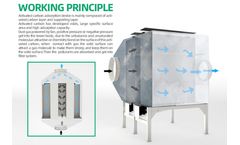
Organic waste gas adsorption treatment, which is a treatment method that physically adsorbs and collects VOC. ...

Typically, the charcoal manufacturing machine can dump a variety of materials, like sewage sludge, edible fungus waste, coffee grounds, sugarcane bagasse, sunflower hull, straw, coconut shell, palm shell, wood chips, sawdust, rice husk, etc. ...
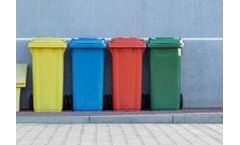
How can we make bin sorting simpler, to help councils streamline waste management? Let’s take a closer look at the issue… Coffee and confusion Managing waste collection and disposal is a mammoth task, particularly given recycling rate targets. ...

Making your own organic plant food is easy and fun. It should be noted that most people understand that the best way to get good garden soil is to compost to amend the soil. Plants fertilizers purchased from the local garden center often contain chemicals that may harm your plants, and are not environmentally friendly. Nearly all organic waste go directly to the trash can or garbage disposal; a ...
The equipment produces briquette under temperature and pressureThe raw materials found in rice husk to charcoal carbonation include sawdust, maize stalks, rice husk, bamboo, sugar cane bagasse, coffee husk wood chips, agro-waste, wood waste, paddy straw, crop stalk, forestry waste, tea waste, rape stalks, and the ...

Whether you buy a bottle of water or turn on the faucet at home for a drink, the last thing you want to worry about is that it might be contaminated with bacteria or toxic chemicals. In developed countries and cities that have advanced drinking water treatment facilities set up, they have methods for dealing with those harmful pollutants. It’s the same with bottled water companies. For ...
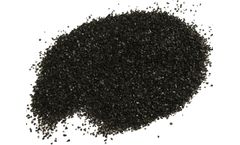
How do carbon filters work to remove toxic chemicals in a drinking water supply?Whether you buy a bottle of water or turn on the faucet at home for a drink, the last thing you want to worry about is that it might be contaminated with bacteria or toxic chemicals. In developed countries and cities that have advanced drinking water treatment facilities set up, they have methods for dealing with ...

But, the charcoal briquette made from the wastes such as sawdust, bagasse, coffee husks, coconut shell, wheat straws etc, has also become more and more important considering the pressure on the nation’s forestry resources and sustainable development. ...

When it comes to flavor, coffee purists prefer whole beans, which retain their flavors longer than ground coffee. Yet there's no denying the convenience factor of ground coffee, which is why it's so popular in offices. Ground coffee has a short shelf life -- hence the push to use airtight containers, which keep the flavors in the coffee -- and off flavors may develop if the coffee grounds are ...

Start the day right. That morning coffee isn’t always green. There are a lot of environmentally-friendly coffee alternatives to the waste created by many coffee pods. In our office, we use compostable coffee pods from Reunion Island and a coffee machine serviced by Office ...
Recently, we developed two new Fenton catalysts using iron (Fe) and spent tea leaves or coffee grounds as raw material. In this study, Fe-to-tea or Fe-to-coffee polyphenol complexes were successfully tested as heterogeneous photo-Fenton catalysts. The photodegradation efficiency of methylene blue solutions with Fe-to-polyphenol complexes was higher than that of homogeneous iron salts in the ...

Samples of maize, teff, red pepper and coffee (green bean and coffee bean with pulp) were collected from a local market in Jimma zone, Ethiopia. Samples were analyzed for the occurrence of cypermethrin, permethrin, deltamethrin, chlorpyrifos ethyl, DTT and its metabolites, and endosulfan (α, β). In the analytical procedure, the QuEChERS (Quick, Easy, Cheap, Effective, Rugged and Safe) ...