
Combustible Gas Sensor Articles & Analysis
21 articles found

Current NMP detection are mostly based on catalytic combustion sensors that detect gas via catalyst-induced flameless combustion, measuring resistance changes in heated wires. ...

Boost the performance of your project with the integration of gas sensor modules. Delve into the types of sensors, learn how to choose the right one, and follow a comprehensive guide on their integration. Discover advanced techniques and proper maintenance to ensure optimum longevity and ...

Gas detection technology The gas detector classifies the detected gas as combustible or toxic. ...
Gas sensor is an important branch of sensor family. Commonly understood, the gas sensor is to collect information such as gas composition and concentration in the air. ...
There is also considerable work in other countries such as the United States. 2) Catalytic combustion gas sensor This sensor is to prepare a high temperature resistant catalyst layer on the surface of platinum resistance. ...

Gas sensors in particular can be used to monitor and detect changes in air quality, including the presence of toxic, combustible or hazardous gasses. Industries using gas sensors include mining, oil and gas, chemical research and manufacturing. ...

Ethylene is a highly flammable and combustible gas. If the gas lines used to pipe ethylene into the ripening chambers were to develop a leak, the chamber could fill with ethylene and reach combustible levels. A combustible gas monitor, which takes continuous readings of ...

Although regulatory standards were written primarily for 4-gas confined space entry meters that have electrochemical sensors and pellistor-type combustible gas (LEL) sensors, this article is intended to include any Ion Science instrument used for industrial hygiene, including also PIDs, infrared ...
OC-F08 fixed gas monitor with the original imported sensor used to detect the Oxygen gas, combustible gas, toxic gas, CO2, etc. With the different working principle, Electrochemical sensor for O2 and toxic gas, Catalytic combustion ...
In order to ensure safety it is necessary not only for the gas meter to read accurately but also to have functional alarms that alert the worker to a hazardous condition. Initial calibration upon receiving the instrument is necessary and, because most sensors can suffer decreased response over time, recalibration will be required. ...

While two of those components, oxygen and combustible gas sensors, are a must in almost every confined space application, the other two are not. ...

Explore the hidden dangers of paint booth fluids and gases, and learn how a combustible gas detector can increase employee safety in the work environment. ...

Regular Fuel Efficiency Applications Separate Oxygen and Combustibles Sensors In standard flue gas applications for Thermox analyzers, the user generally tries to extract the maximum energy from the fuel and transfers as much of that energy as possible to the process. ...
The zirconium oxide cell responds to the difference between the concentration of oxygen in the flue gas versus an air reference. To assure complete combustion, the flue gas should contain several percent oxygen. ...

However, the number of tubes that have to be employed in order to demonstrate that a container is safe can be prohibitively expensive and time-consuming to employ. Instrumental gas analyzers that measure either a single gas or a small number of gases impart a similar level of risk to stain tubes because of the possibility of missing or failing to measure a ...
However, the number of tubes that have to be employed in order to demonstrate that a container is safe can be prohibitively expensive and time-consuming to employ. Instrumental gas analyzers such as electrochemical sensors, that measure either a single gas or a small number of gases impart a similar level of risk to stain tubes because of the ...

In fact, a catalytic bead sensor detects any combustible gas that combines with oxygen to make heat. ...
For example, the typical maximum exposure limit for Hydrogen Sulphide is 10ppm in most countries. Gas Detection Technologies Catalytic/Combustible Gas Sensors (CGS) detect hydrocarbon and non-hydrocarbon gases. ...
Point-type gas detectors Point-type gas detectors can be fitted with either combustible or toxic gas sensors. ...
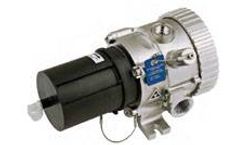
It also covers the safetv benefits of standards and approvals. Mitigating gas risks Risks from gas leaks come in many forms. Broadly defined, the categories are toxic gases, combustible gases, and gases that are both toxic and combustible. ...