
Refine by
Combustion Industry Articles & Analysis
98 articles found

Industrial Solvent Recovery System Manufacturer 1. What is a Solvent Recovery System? A solvent recovery system is an industrial process technology designed to capture and reclaim volatile organic solvents from exhaust gas streams. ...

When properly captured and processed, the combustible gas can be refined into more valuable products, such as hydrogen or syngas, for use in other industrial processes. ...
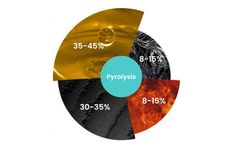
Operating under an oxygen-limited environment, this process separates complex hydrocarbon chains into fuel oil, carbon black, and combustible gas. Each output possesses distinct physicochemical characteristics and serves a specific role in industrial energy recovery and material production. ...

In the United States, the Environmental Protection Agency (EPA) proposed stricter nitrogen oxides (NOx) limits in late 2024 under the Clean Air Act’s New Source Performance Standards (NSPS), targeting new and modified fossil fuel-fired combustion turbines. In Europe, the revised Industrial Emissions Directive (IED 2.0), effective since August 2024, imposes ...

Policy Drivers: Tightening Industrial Emissions Regulations The global industrial sector is experiencing unprecedented regulatory pressure to optimize combustion efficiency and reduce emissions. ...
Continuous feeding and discharging mechanisms ensure steady throughput and stable thermal profiles, essential for industrial-scale applications. Flue Gas Utilization A key aspect of the system's efficiency is its closed-loop utilization of combustible gases. ...
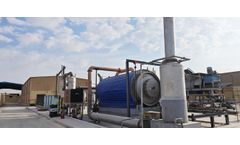
Through controlled thermal decomposition in an oxygen-free environment, tyre pyrolysis plants convert scrap rubber into valuable resources with diverse industrial applications. Core Process and Output Composition A modern waste tyre pyrolysis machine operates through indirect heating, elevating shredded rubber to temperatures between 350°C and 500°C. ...

Although between 2005 and 2022, the UK’s PM2.5 emissions decreased by 41%, emission levels have been relatively steady with small annual fluctuations in the last decade. Industrial combustion is a major source of PM emissions, as well as emissions from industrial production also playing a major part, which can be linked to heavy-dust ...

Applications: ✔️ Water and wastewater treatment ✔️ Chemical processing ✔️ Food and beverage industry (sanitary models) ✔️ Pulp and paper industry ✔️ Slurry and mining applications 2. ...

At the same time, the high price of coal has made it difficult to reduce the cost of coal combustion in the paper industry, which relies on fossil energy as the main source of heat production. A New Perspective: Paper Mill Waste Resourceful Treatment Paper mill waste is mainly light residue from paper mills, and the difficulty of treatment lies in the ...
This high energy density makes plastic fuel oil an effective fuel source, suitable for industrial heating, power generation, and even in modified diesel engines. 2.2 Flash Point and Fire Safety The flash point of plastic fuel oil, or the temperature at which it can vaporize to form a combustible mixture in air, is an important safety consideration. ...

This energy efficiency helps to reduce the carbon footprint of emissions monitoring operations, bringing industrial practices in line with sustainable development objectives. Growing adoption by industry Given these undeniable advantages, many industries are gradually adopting this technology. ...

It has carried out more in-depth technological innovation and performance optimization around the combustible waste in the construction waste, so that the RDF/SRF can be used in comparison with traditional treatment solutions, the discharge size and degree of homogenization are greatly improved, with fewer harmful elements and a lower heat loss coefficient when burned in the ...

Industrial activities are a significant source of air pollution, contributing to various environmental and health problems. Understanding the different types of industrial air pollutants is crucial for developing effective control strategies and ensuring compliance with environmental regulations. In this blog, we will explore the primary categories of industrial air pollutants, their sources, and ...

The proposal would set limits for newly established gas-fired combustion turbines, existing coal, oil and gas-fired steam generating units, and certain existing gas-fired combustion turbines. ...

In the world of industrial combustion, maintaining operational efficiency while ensuring safety standards can be a challenging balancing act. ...

In the quest for sustainable energy solutions, clean combustion technology stands out as a beacon of hope. This groundbreaking approach not only aims to significantly reduce harmful emissions but also enhances energy efficiency across numerous sectors. As we stride towards greener practices, the spotlight shines on the indispensable role of sophisticated analytical instruments in monitoring, ...

In industrial applications, proper material selection plays an important role in ensuring process efficiency, longevity and safety. ...

Common pollutants, such as carbon dioxide (CO2), methane (CH4) and nitrogen oxides (NOx), contribute to both air pollution and climate change. Fossil fuel combustion, industrial processes and deforestation are major sources of greenhouse gases and air pollutants, resulting in shared environmental and health impacts. ...
ByVortex

Continuous emissions monitoring is a critical practice required by environmental regulations in the United States and many other countries. Industrial site owners must implement and maintain working continuous emissions monitoring systems (CEMS) to accurately measure and monitor emission levels from smokestacks. This process offers many benefits for manufacturers, customers, and the wider ...