
Refine by
Combustion Optimization Articles & Analysis
89 articles found

Why Multi-Bed RTO Is the Preferred Solution for Hazardous Waste Exhaust Treatment A multi-bed Regenerative Thermal Oxidizer (RTO) is widely recognized as one of the most effective technologies for treating high-concentration CO and VOC emissions from hazardous waste incineration.Key advantages include:CO removal efficiency above 99% VOC destruction efficiency above 99% Stable operation under ...
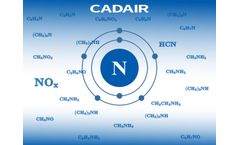
For example, alkaline solution (NaOH) is used to absorb acidic gases (such as HCN and NOₓ), and acid solution is used to absorb alkaline gases (such as NH₃) Applicable Scenarios: Suitable for treating high-concentration, water-soluble nitrogen-containing organic waste gases, or as a pretreatment or post-treatment process: Pretreatment: Removes acidic or alkaline components from waste gases before ...
AI-Based Intelligent Control System Modern VOC systems increasingly adopt:AI optimization algorithms Industrial IoT systems Dynamic temperature adjustment Predictive maintenance Smart valve switchingBy deploying Industrial Brain AI energy-saving systems, facilities can dynamically optimize RTO operating parameters such as:Temperature Airflow Valve ...

Conventional Basic Energy-Saving Transformation (General Hardware Optimization) 1. Front-End Optimization of Waste Gas Optimize the waste gas collection pipeline and block air leakage points to avoid dilution of waste gas by external fresh air and increase the inlet VOCs concentration; match zeolite rotor concentration for large-airflow and ...
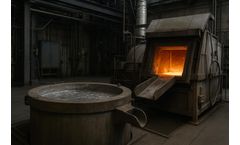
Each refining chemistry has an optimal temperature window: copper drossing 400-450°C, antimony sulfide formation 750-850°C, oxidative refining 650-750°C. ...

Ensuring controlled air split between tire combustion and kiln inlet for stable operation without gas overfeeding or process ...

Anyone who runs a vehicle will understand that fuel is one of the largest controllable costs in fleet operations. The volatility in fuel prices and pressure on margins have made this a significant concern for any fleet manager. This means that small inefficiencies across a fleet will scale quickly into major costs, so here, Walker Movements, leaders in used truck distribution, have put together ...
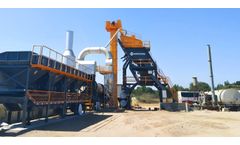
This adaptability maintains continuous operation regardless of regional supply disruptions. Automation systems optimize combustion efficiency across varying fuel qualities. Advanced plants incorporate real-time oxygen sensors and adaptive air-fuel ratio controls that adjust automatically as fuel characteristics shift. ...
ByMacroad
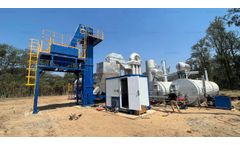
Furthermore, manufacturers are optimizing entrainment management within the drum to limit fugitive dust and unburned hydrocarbons. ...
ByMacroad
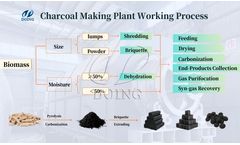
Cooling the charcoal prevents spontaneous combustion when exposed to air, while also preserving its structure and hardness. ...

Problem Improving combustion and pollution control at Engelhard’s metal recovery incineration plant. ...

With a treatment capacity of 1,000 tons per day, the facility is engineered to deliver both environmental and operational benefits by ensuring waste is prepared in an optimized manner before combustion. The pre-treatment line integrates two-stage shredding and advanced mechanical sorting. Through this process, mixed household waste is separated into three main ...

Typical Product Distribution In a standard slow pyrolysis process of wood-based biomass (10% moisture): Biochar: ~30% Syngas: ~66% Water and dust: ~4% Wood vinegar/tar: Often recycled or used as combustible gas 5. Conclusion Optimizing biochar yield requires balancing temperature, feedstock characteristics, and moisture content. ...
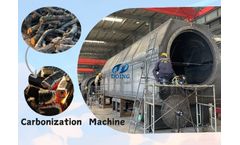
Barbecuing is a popular outdoor activity, and barbecue charcoal is an essential fuel for both outdoor grilling and catering. So, how to make high-quality barbecue charcoal? While the process isn't complicated, it does require certain equipment and skills. BBQ charcoal is typically made by carbonizing wood at high temperatures. This process removes moisture and volatile substances from the wood, ...

In the United States, the Environmental Protection Agency (EPA) proposed stricter nitrogen oxides (NOx) limits in late 2024 under the Clean Air Act’s New Source Performance Standards (NSPS), targeting new and modified fossil fuel-fired combustion turbines. In Europe, the revised Industrial Emissions Directive (IED 2.0), effective since August 2024, imposes tighter limits on ...
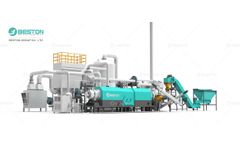
Efficient thermal insulation and optimized combustion cycles reduce fuel consumption, directly enhancing net profitability. ...
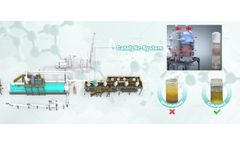
By incorporating specialized catalysts into the pyrolysis process, industrial operators can significantly improve oil yield, enhance product quality, and optimize energy efficiency. This methodology is increasingly relevant in facilities processing heterogeneous waste streams, such as plastic, biomass, and mixed municipal refuse. ...

Policy Drivers: Tightening Industrial Emissions Regulations The global industrial sector is experiencing unprecedented regulatory pressure to optimize combustion efficiency and reduce emissions. The European Union's revised Industrial Emissions Directive (IED 2024/1785), effective August 4, 2024, mandates stricter requirements for Large ...
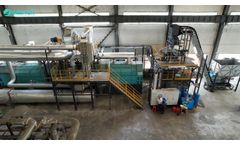
As global emphasis on energy efficiency intensifies, advancements in pyrolysis technology have shifted toward optimizing heat utilization and minimizing energy loss. Central to this evolution is the refinement of continuous pyrolysis plant design, which now integrates cutting-edge reactor engineering to enhance thermal performance, throughput, and system longevity. ...

Enhancing Safety: Real time and accurate measurement of oxygen and combustible gases helps prevent explosions and fires by maintaining optimal conditions in the flare system. Ensuring Efficiency: Precise flare system operation optimizes energy recovery, reduces fuel consumption, and minimizes flaring requirements. ...