
Refine by
Combustion Performance Articles & Analysis
187 articles found

Project Specifications Core Project Parameters Item Specification Treatment Air Volume 50,000 m³/h Applicable Industry Stamp Printing (China Printing Industry) Main Pollutants Ethyl Acetate, Isopropanol, NMHC Treatment Process Zeolite Rotor Concentration + CO Catalytic Oxidation Project Operation Status Officially operational since 2016 Process Flow Collection System → Zeolite Rotor ...
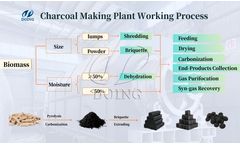
Primary Applications of Biocoal: As an eco-friendly solid fuel, it serves as a direct substitute for traditional coal and is widely utilized in scenarios requiring direct combustion to generate thermal energy, including residential heating, industrial boilers, and biomass power plants. ...
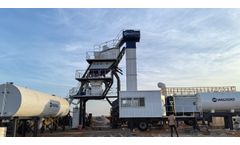
Leading asphalt plant suppliers address this through staged combustion burner designs that introduce fuel and air in controlled sequences maintaining flame temperatures below the thermal NOx formation threshold while achieving complete combustion efficiency that prevents carbon monoxide and hydrocarbon emission exceedances that incomplete low-temperature ...
ByMacroad

Speeding significantly increases fuel usage, and poor gear use leads to inefficient engine performance. Fuel-efficient driving involves smooth acceleration, the anticipation of traffic flow, maintaining steady speeds and using cruise control wherever appropriate. To implement this, you need to set up driver training programmes and ongoing performance feedback to ...

Specifically, altitude-rated nozzles achieve 50-micron mean droplet diameters at 3,500 meters versus 80-100 microns for unmodified equipment, ensuring complete combustion that eliminates soot generation at its source. Baghouse Protection Through Clean Combustion Soot buildup in baghouse filters represents the primary failure mode for uncalibrated altitude ...
ByMacroad
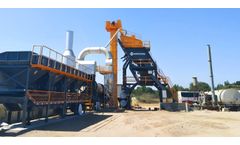
In remote regions with volatile fuel supply chains and tightening emission regulations, advanced combustion technology eliminates operational vulnerabilities that expose contractors to catastrophic shutdowns and regulatory penalties. ...
ByMacroad
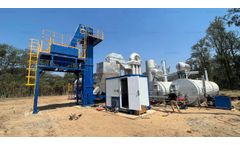
Facing tighter environmental and energy‑saving mandates, the central claim is that the asphalt drum mix plant manufacturer is focusing upgrades that directly lower emissions, reduce fuel consumption, and improve material efficiency—changes that increase the aftermarket value of asphalt plants for sale. Buyers should evaluate specific retrofits and factory configurations that target ...
ByMacroad

Trends reveal when and where emissions rise, enabling adjustments to production scheduling, combustion efficiency, and ventilation performance. Early trend detection supports maintenance planning, filter replacement timing, and calibration improvements, reducing peak emissions and long-term costs.Practical applications include:Optimizing ventilation and air ...
Cooling the charcoal prevents spontaneous combustion when exposed to air, while also preserving its structure and hardness. ...

When bidding for infrastructure projects across Latin America, road and bridge contractors face a critical equipment decision that ripples through the entire project lifecycle. The choice of an asphalt plant is not merely a procurement exercise—it is a strategic commitment that influences mobilization speed, production capacity, quality consistency, and ultimately, project profitability. From the ...

Water is widely regarded as the #1 enemy of diesel systems. Even small amounts—especially free water—trigger a destructive chain reaction that affects tanks, fuel lines, pumps, injectors, and the engine ...

Fuel injectors look simple from the outside, but internally, they are highly precise systems. Every component works within very tight limits. If even one dimension is slightly off, fuel delivery changes. To truly understand fuel injector performance, we must first understand how its components work and why precision measurement is ...

Introduction In industries around the world, precision gas analysis plays a vital role in maintaining product quality, ensuring safety, and meeting compliance standards. Cambridge Sensotec designs and manufactures international gas analysers that operate across a wide range of global applications. From manufacturing and energy to pharmaceuticals and aerospace, organisations depend on these ...

Background and Purpose Mixed MSW refers to a broad spectrum of waste types, including recyclable waste, food and kitchen waste, hazardous waste, and combustible materials. JONO has proactively developed and deployed MBT technology that enables automated classification, sorting, and recovery of valuable materials from mixed waste streams. The goal is to reduce landfill dependency, optimize ...

They can connect to cloud-based management platforms, allowing project supervisors to monitor performance and fuel usage remotely. This makes them ideal for EPC projects where several construction fronts operate simultaneously.Data-Driven Decision Making in Asphalt Production Data collected from the asphalt plant plays a pivotal role in improving production accuracy and project ...

This property is particularly advantageous in the production of high-grade iron, steel, and ferroalloys, where impurity control determines final product quality. Thermal Efficiency and Combustion Properties Charcoal exhibits excellent combustion stability, with consistent calorific values ranging from 28 to 33 MJ/kg. Its porosity promotes superior airflow during ...

Drying and Heating Systems The dryer drum is one of the most critical components affecting efficiency. Plants equipped with high-performance burners and energy-saving insulation systems consume less fuel and maintain a more stable mix temperature. In premium asphalt plants(planta de asfalto), efficient combustion systems and automatic air-fuel ratio control help ...
With its high carbon content and porous structure, biochar enhances combustion efficiency while lowering sulfur emissions. The result is improved metallurgical performance alongside a reduction in greenhouse gas output. ...

The directive introduces “industrial transformation”, and “deep industrial transformation” requirements aimed at achieving significant emission reductions, driving operators to seek advanced solutions for enhanced operational performance. The stringent regulatory requirements have heightened industry focus on combustion efficiency ...

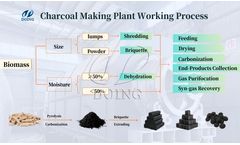
This process is to heat under oxygen isolation conditions, so that the moisture and volatiles in the raw materials evaporate and decompose, and the wood fibers gradually carbonize, and finally form solid charcoal with high carbon content and high combustion value. The carbonization link is the core of charcoal production, which requires the use of professional carbonization kiln ...