
Refine by
Combustive Air Articles & Analysis
215 articles found
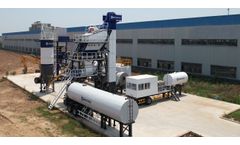
However, drum plants require more sophisticated burner maintenance because proportional burners are more complex than on-off systems and demand regular nozzle cleaning and combustion air adjustment. Premium asphalt mixing plant manufacturers now offer batch plants with proportional burner upgrades that deliver drum plant-level temperature stability while ...
ByMacroad

Basic Operating Parameters Design treatment air volume: 35,000 Nm³/h Inlet VOC concentration: ≤4,000 mg/m³ (large component fluctuation); inlet relative humidity ≤75% Core components: toluene, xylene, methanol, o-dichlorobenzene, methylene chloride, etc., with trace HCl and ammonia; halogenated hydrocarbons are the primary corrosion source Operation mode: 24h × 365 days ...

They are used to detect toxic and combustible gases, monitor air composition, and provide early warning in hazardous environments. ...
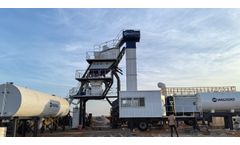
Leading asphalt plant suppliers address this through staged combustion burner designs that introduce fuel and air in controlled sequences maintaining flame temperatures below the thermal NOx formation threshold while achieving complete combustion efficiency that prevents carbon monoxide and hydrocarbon emission exceedances that incomplete ...
ByMacroad
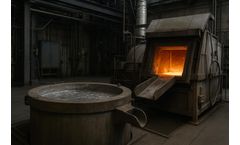
Stage 3 – Arsenic and Tin Removal: Maintain 650-750°C and inject air or oxygen through a submerged lance. Arsenic and tin oxidize, forming dross. ...

Ensuring controlled air split between tire combustion and kiln inlet for stable operation without gas overfeeding or process ...

Frequency-inverted turbo blowers address this deficit through variable-speed drives that increase combustion air volume by 25-30% while maintaining velocity profiles essential for flame stability. ...
ByMacroad
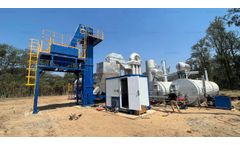
Manufacturers are improving drum insulation, optimizing burner-to-drum heat transfer, and fitting variable‑output burners that maintain combustion efficiency across partial loads. Therefore, fuel consumption stabilizes even when production rates vary, which is critical for contractors juggling multiple small‑scale jobs. Moreover, staged combustion and improved ...
ByMacroad

Traditional emissions testing and stack measurements offer limited real-time visibility and may not capture short-term fluctuations or localized deposition on the shop floor.Real-time monitoring and high-resolution air quality data enable visibility into emission patterns, supporting accurate, targeted control options, enhanced ventilation, and proactive decision-making aligned ...
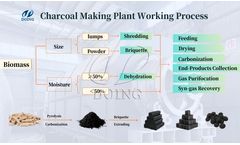
Cooling the charcoal prevents spontaneous combustion when exposed to air, while also preserving its structure and hardness. ...

Our plant at Bernsteinsee stores the energy from surplus solar power in the form of synthetic natural gas (SNG). Our plant produces this from hydrogen and CO2. The Hotel Bernsteinsee can therefore use 100% of its solar power and does not have to feed in any surplus. The SNG can be burned emission-free in commercially available CHPs and condensing boilers. Thanks to our unique closed ...

One of the most valued performance benefits for homeowners is longer, more stable burn times – often stretching through the night without the need for refueling.Why conventional woodstoves struggle with slow burns Woodstoves without fans in the chimney rely on hot gases rising up the chimney to draw air into the fire and maintain clean combustion. When the ...

In premium asphalt plants(planta de asfalto), efficient combustion systems and automatic air-fuel ratio control help optimize fuel use, leading to long-term savings despite higher initial costs.2. ...
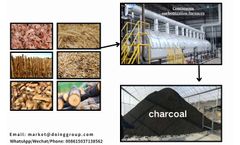
The temperature is typically controlled within a specific range, with the wood typically heated to high temperatures (400-600°C) to ensure the decomposition of organic matter while avoiding over-combustion. This thermal decomposition drives off volatile substances and gases, leaving behind solid charcoal and producing recyclable by-products such as wood vinegar and wood tar.3. ...
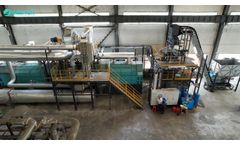
Flue gases, which previously vented into the atmosphere, are redirected through economizers and heat exchangers to preheat incoming feedstock or combustion air. This closed-loop thermal cycle not only reduces fuel consumption but also improves environmental compliance by lowering emissions. ...
They cover a large part of the duct cross-section and can easily measure through the cold post-combustion air layer. Thus, a large part of the off-gas stream is monitored. ...

This breakthrough ensures that the continuous pyrolysis plant operates continuously for up to 30 days without interruptions, optimizing production cycles and reducing the risk of costly repairs and downtime. 2. Hot Flue Gas Recycling and Air Preheating Technology The innovative flue gas recycling system utilizes high-temperature stainless steel fans to reintroduce 80% of the ...

Applications: ✔️ Steam flow measurement in power plants ✔️ Natural gas and compressed air monitoring ✔️ HVAC and industrial heating systems ✔️ Chemical processing and refineries 4. ...

The Hoskinson Medical Waste Plant has been disposing of the Hospital's bio-hazardous waste efficiently and effectively. It is easy to operate and is a proven asset to Hospital ...

This high energy density makes plastic fuel oil an effective fuel source, suitable for industrial heating, power generation, and even in modified diesel engines. 2.2 Flash Point and Fire Safety The flash point of plastic fuel oil, or the temperature at which it can vaporize to form a combustible mixture in air, is an important safety consideration. Generally, ...