
Refine by
Construction Demolition Material Articles & Analysis
20 articles found

This equates to 1.17 jobs per 1,000 tons of materials recycled, $65.23 in wages and $9.42 in tax revenue per ton of materials recycled. ...
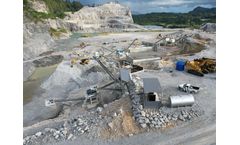
Reducing Transportation Costs On-Site Crushing Transporting raw materials to a central facility is one of the biggest cost drivers for aggregate producers. ...

Mobile concrete crushers have transformed how construction and demolition projects handle waste material. Instead of hauling debris to distant facilities, these machines crush concrete directly at the job site, converting waste into reusable aggregate. ...
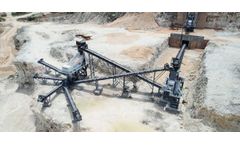
A crusher plant is a complete crushing system that processes rocks and other raw materials into smaller, usable aggregates. These plants serve as the backbone for construction, mining, and infrastructure projects. ...
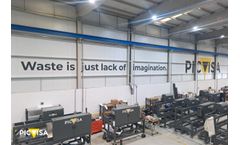
Machine vision technology enables faster and more accurate sorting of recyclable materials. Equipped with cameras and advanced software, sorting systems can identify and separate a wide range of materials with unprecedented speed and accuracy. ...

Across the globe, manufacturing centers, power plants, factories, and other facilities are all generating industrial waste. But what is industrial waste, and more importantly, how do all of these places transport it after its generated? In this blog post, we’ll address the key question of how to transport industrial waste. Safe industrial waste handling is critical for the protection ...
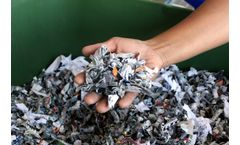
Engineered fuel is a kind of alternative fuel produced by processing and blending construction and demolition material, and/or select industrial and/or commercial byproduct material streams including: plastic, paper, paper mill contraries, paper fiber, cardboard, textiles, carpet, and rubber. Waste to Engineered Fuel Processing ...
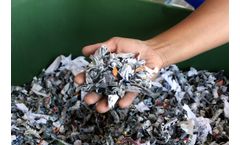
Solid Waste Shredder Application Process multiple materials Bulky waste, commercial and industrial waste, municipal solid waste, construction and demolition waste, biomass, wood, baled materials. ...

Use recycled and locally sourced materials Using recycled and locally sourced materials is one of the most impactful ways the construction industry can reduce its carbon emissions. ...

Hazardous Materials at Construction Sites Hazardous materials such as silica, lead, metals, pesticides, chemicals, and gases are often found on construction sites. Where ground or groundwater testing identified hazardous materials that may be carried off-site during excavation or just routine ...

Recycled waste material could play a major role in the construction of roads in Europe, bringing both environmental and economic benefits. ...
The exercise we are undertaking is an ambitious one, close the material loop and turn waste into resources; creating a zero waste society from which the EU’s economy and environment should benefit. ...

The Action Plan on the Circular Economy complements this proposal by setting out measures to "close the loop" of the circular economy and tackle all phases in the lifecycle of a product: from production and consumption to waste management and the market for secondary raw materials. The action plan also includes a number of actions that will target market barriers in specific ...

This study identifies, documents, and assesses the existing levels of awareness and implementation of sustainability practices amongst the different participants in the Lebanese construction industry. The analysis is based on a survey of owners, designers, and contractors supplemented with four case studies illustrating the recycling of construction ...
Due to their material composition (asphalt versus wood, metal and other construction materials), shingles are usually separated from other construction-related waste debris, making the discarded roof protectors a prime candidate for the recycling stream. ...
ByVermeer

It serves as a central drop-off location for waste haulers who collect refuse, certain recyclable materials and construction/demolition waste within Lancaster County. Improve operating efficiency Separate commercial haulers from self-haulers Improve site safety for customers and employees Increase permit capacity from 1,600 tons per day to ...
The company owns and/or operates 31 solid waste collection operations, 29 transfer stations, 17 recycling facilities, nine Subtitle D landfills, three landfill gas-to-energy facilities, one landfill permitted to accept construction and demolition materials, and one waste-to-energy facility. ...
Waste is an unneeded expense, and deconstruction offers savings and jobs. We illustrate material donor and recipient economics. The road between includes contractors spending labour to lower the material 'price' and refurbishers who find broader markets for their product, partially because of green building popularity. ...

Non-hazardous alternative or non-traditional fuels include, but are not limited to: biomass, construction and demolition material, scrap tires, scrap plastics, spent solvents, coal refuse, waste water treatment sludge, or used oil. ...
While energy consumption during the operation stage of a building's lifetime is usually dominant, indirect energy use and pollutant emissions associated with production and disposal of building materials during construction and demolition are significant. For sustainable building design, interactions between the performance and dynamics of the ...