
Refine by
Contaminant Identification Articles & Analysis
41 articles found

This enables the detection of unique "fingerprints" of materials with extreme precision, including contaminants and impurities invisible to the human eye — even in real time. ...
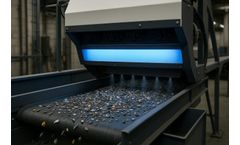
Alloy-level sorting converts streams with mixed non-ferrous value into high-grade fractions commanding premium prices.Contamination DetectionMaterial identification systems perform both positive identification of target materials for recovery and negative identification of contaminants for rejection. Common ...

Stricter quality standards and enforcement are coinciding with the aging of water infrastructure and the identification of new contaminants. When inadequate municipal treatment brings the possibility of fines, coming into compliance quickly is necessary. ...

Testing for microbiological contamination becomes crucial to the creation and production of cosmetic products. ...

The NIR camera images the material and produces a monochrome image based on the intensity of light in the NIR region, while the illumination module provides an image for colour identification. The monochrome image is then analysed to detect individual granules of the contaminants by the use of edge detection algorithms. ...
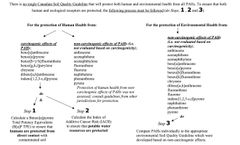
The Canadian Soil Quality Guidelines provide a comprehensive framework for addressing soil contamination by Polycyclic Aromatic Hydrocarbons (PAHs) to protect environmental and human health. ...
Our MPS-4G1 Microanalysis Particle Sampler enables engineers in clean rooms to efficiently collect samples of airborne particles for species identification to solve contamination problems. When airborne particles cause contamination problems that affect production of devices in a clean room, steps beyond particle counting are required to ...

The Yukon Contaminated Sites Regulation provide regulations for identification, restoration and liability for contaminated sites. It states that a site is contaminated if the contaminant concentration equals or exceeds the defined numerical values; otherwise, it is deemed non-contaminated. ...

The British Columbia Protocol 9 for contaminated sites is used in the establishment of groundwater local background concentration. The concentrations are utilized for investigating and remediating contaminated sites in circumstances whereby the concentrations of substances that occur naturally exceeds the general numerical water standards of the CSR. ...

The protocol provides guidelines that determine whether a site qualifies as contaminated. A site is not considered contaminated if the substance under consideration is below the local background concentration but above numerical soil standards. ...

The Federal Interim Groundwater Quality Guidelines was developed by federal authorities to facilitate the assessment, remediation and risk management of federal contaminated sites which are under the funding of the Federal Contaminated Sites Action Plan (FCSAP). ...

Methods for checking water quality are an incredibly important part of the many processes involved in ensuring we have access to safe drinking water. However, as contaminants can come from many different sources, finding a general solution for contaminant identification and removal can be difficult. ...
Methods for water quality checking are an incredibly important part of the many processes involved in ensuring we have access to safe drinking water. However, as contaminants can come from many different sources, finding a general solution for contaminant identification and removal can be difficult. ...

Abstract Pharmaceutical microbiology focuses on the detection, enumeration and identification of microbial contaminants found in drug products and the manufacturing environment. ...

Chemical and isotopic analyses of groundwater from piezometers localized around a reclaimed landfill were performed in order to identify the boundaries of groundwater contamination zone. Spatial distribution of dissolved inorganic carbon (DIC) concentration and stable carbon isotopes in the groundwater was used to distinguish the piezometers localized within the contaminated aquifer. Background ...
The identification of groundwater contaminant sources is a primary step in designing and implementing a remediation strategy. The work presented here was undertaken to develop an efficient strategy that addresses the unknown multiple contaminant sources problem, and that could identify the number, location and magnitude of the groundwater ...
It is important to identify the source information after a sudden water contamination incident occurs in a water supply system. The accuracy of the simulation model's parameters determines the accuracy of the source information. However, it is difficult to obtain the true value of these parameters by existing methods, so reduction of the errors caused by the uncertainty of ...
Several beaches within the Toronto region area of concern have persistent issues with fecal contamination, causing a beach beneficial use impairment (BUI). In this study, Escherichia coli, including ampicillin-resistant strains, were enumerated via culturable and quantitative polymerase chain reaction (qPCR) methods. Microbial source tracking (MST) markers (for general Bacteroidales, human, ...
This study aims to apply fecal sterols as a chemical indicator to track feces contamination sources in the canals in Bangkok. The sewage and canal sediments were examined during the dry season. Fecal sterols in the canals were evaluated over a one-year period (2011–2012) for the selected sterol compounds. Several factors including season, canal water levels, rainfall data, and sewage were ...
This study sought to investigate and compare bacterial contamination levels at six different sites along the Diep and Plankenburg river systems in the Western Cape, South Africa. Surface water and sediment samples were collected monthly from the six selected sampling sites along both river courses between January 2014 and December 2014 and were evaluated for bacterial ...