
Refine by
Contaminated Land Articles & Analysis
140 articles found
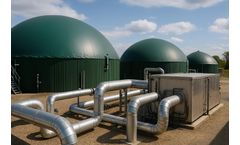
The report identifies the greatest potential for biomethane in 2040 in several countries and highlights that efficiency gains at every stage of the production chain are essential to maximize output from sustainable feedstocks such as marginal or contaminated land.2040 biomethane potential by countrySpain: c. 13.2 bcm/yrGermany: c. 11.1 bcm/yrFrance: c. 10.8 ...

We are proud to have exhibited at the Joint WasteMINZ and Australasian Land & Groundwater Association (ALGA) Conference in May 2026. Kimberley Saflian and Rebecca Thomas had an unforgettable time networking with fellow peers in the waste and contaminated land and groundwater industry in New Zealand. Kimberley took to the stage to present ...
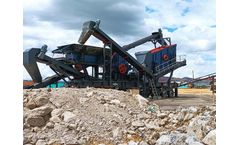
Landfills produce methane. They consume land. They contaminate groundwater. The caring argument is that the linear model externalises costs. ...

Engineering datasets focus on whether land can safely support structures, roads, foundations, and earthworks. Environmental datasets focus on whether land, water, and air are safe for people, ecosystems, and regulatory compliance. ...

When winter sets in and temperatures drop, many pest bird species shift their behavior in search of shelter, food, and warmth. For warehouses and industrial facilities, this seasonal shift brings heightened risk of infestation. Large, open indoor spaces—often with high ceilings, exposed rafters, and ongoing human activity—offer birds ideal roosting conditions during colder months. If ...

Some vectors for contaminants in open systems are: Ambient Air Rain Ocean spray Staff Wild animals Common contaminants, such as algal predators (zooplankton), bacteria, and even competing strains, can all reduce production efficiency or even spoil cultures. This leads most open culture systems to operate in various forms of batch production, where microalgae ...
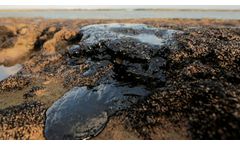
The global environmental impact of industrial waste, particularly oil sludge, has become an increasingly pressing issue. The accumulation of oil-contaminated waste in landfills or open environments leads to severe soil contamination, adversely affecting soil quality, biodiversity, and agricultural productivity. ...

The Future of Biosolids Management: How to Stay Compliant with PFAS Regulations The landscape of biosolids management is changing rapidly due to increasing scrutiny of PFAS contamination in biosolids. Land spreading bans in states like Maine and growing concerns about groundwater contamination mean more wastewater treatment plants ...

Energy companies must reduce emissions – The Paris Agreement and EPA regulations mandate lower carbon emissions and cleaner energy production. 5. Mining operations must restore land and protect water – Compliance with the Mine Safety and Health Administration (MSHA) and NPDES permits help prevent contamination. 6. ...

Key Areas Covered: These standards regulate air and water quality, waste management, soil contamination, hazardous materials, carbon emissions, and biodiversity protection.3. ...

This makes it an ideal solution for soil restoration projects, including those aimed at rehabilitating land contaminated by industrial activity or agriculture. By supplying biochar for such applications, businesses can tap into the growing environmental consultancy and land reclamation sectors. ...

Moreover, the use of waste materials as feedstocks for pyrolysis helps divert waste from landfills, reducing the environmental impacts of waste disposal, such as methane emissions and soil contamination. 3. Minimal Water and Land Use Unlike biofuels like ethanol, which require extensive land and water resources for crop cultivation, biomass ...

ESdat is designed to deliver an easy-to-use, efficient, and powerful cloud-based solution for managing contaminated site data. Laboratory Integration is taken care of for you. ...

This program has been vital in reducing the risk of hazardous contamination and revitalizing land for safe community use. Canada: Balancing Investment with Enforcement in Environmental Protection Canada's approach combines significant financial investment with a rigorous enforcement framework. ...

ESdat is designed to deliver an easy to use, efficient and powerful cloud-based solution to manage contaminated site data. Laboratory Integration is taken care of for you. ...
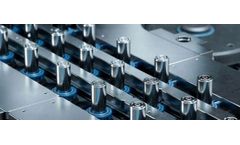
As our world steadily moves towards a future dominated by electric vehicles (EVs), the safe and efficient manufacturing of EV batteries becomes increasingly critical. However, lurking within this crucial process lies a significant challenge: particle contamination. So, let’s explore the implications of this hidden challenge in EV battery manufacturing and how it affects everything from ...

Original Measure (NEPM 1999) The National Environment Protection (Assessment of Site Contamination) Measure 1999 (NEPM 1999) provides a framework and guidelines for assessing and managing site contamination across Australia. ...

With a Master of Environmental Engineering Science (Civil Engineering) from the University of New South Wales and a Bachelor of Geology and Geophysics from Macquarie University, Kimberley brings over 20 years of experience in Contaminated Lands Consulting to her role. Her academic background and professional expertise provide her with a comprehensive ...
Its slow degradation rate ensures continuous improvement in soil quality and fertility over time, making it a valuable investment for sustainable land management. Applications of Biochar in Agriculture: Soil Conditioning: Biochar is applied to agricultural soils as a soil conditioner to improve soil structure, fertility, and nutrient retention. ...

It's great to see Cronicle dedicate an edition to the role of contractors in the contaminated land and infrastructure sector given the key role they play in working together with so many other parties in the industry. ...