
Refine by
Contaminated Site Characterization Articles & Analysis
16 articles found

They also provide technical services which include self-control plans and management of specific food supply chains, investigation plans, characterization plans, contaminated site remediation projects, management and design of water/waste treatment plants, etc. ...
The Kansas policy on TPH and LNAPL provide guidelines observed in implementing initiatives to address petroleum contaminated sites. Such initiatives include characterizing, remediating, and managing the release of petroleum into the environment. ...
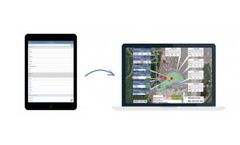
Data visualization is often the most appropriate means of decision support for day-to-day monitoring and site characterization. However, the time delay between data collection and data visualization is not conducive to time critical decision making. ...

What is Heavy Metals Contaminated Soils Site Characterization? The EPA requires a Toxicity Characteristic Leaching Procedure (TCLP, EPA Method 1311) test to characterize heavy metals contaminated soils and determine how they should be disposed. ...

Whether it be old landfills, coal tips, former military sites or refineries, what remains behind is contaminated ground, which is a danger to both humans and the environment. ...

The challenge The GLOBall system consists in a set of autonomous and connected balls embedding sensors that can be dropped over contaminated areas thanks to their shockproof characteristics. Balls periodically measure the dose rate level at the positions where they have landed. ...
As a player involved in site characterization projects, decisions are often based on limited and heterogeneous data. So, how to improve your knowledge of the contamination and to propose an appropriate remediation strategy? Base the decisions on reliable information Kartotrak.one: integrates and uses all available data, analyses them ...

The dry cleaning operations left residual perchloroethylene (PCE) contamination in the soil and groundwater and a building was constructed on the site without knowledge of the underlying contamination. The site is currently occupied by a medical facility, a portion of which is vacant, and an operating restaurant. ...

EPA added a new focus area on high-resolution site characterization (HRSC) to their Contaminated Site Clean-Up Information (CLU-IN) website. ...

A comprehensive methodology known as the Discrete Fracture Network (DFN) Approach has been developed since the mid-1990’s as a framework for characterization of contaminated sites on fractured rock. This article provides an overview of the Approach and is followed by eight additional articles that describe the various methods that ...
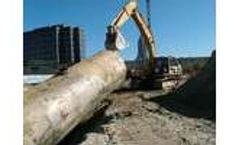
They provide field data that can be used to identify and characterize contaminated sites and guide remedial work, among other applications. Soils remediation challenge A general contractor was awarded the construction contract for a highway expansion project in which a consulting firm that had been contracted by the highway department ...

An EOS® biobarrier was designed and implemented to remediate perchlorate contaminated groundwater. The report describes the site characterization, design steps, implementation, monitoring results and lessons learned from this effective remedial approach. ...

The Safe Drinking Water Act (1974), sets health-based drinking water quality standards to protect against naturally occurring and man-made contamination. These statutes and subsequent protection and security measures were aimed at natural disasters or unintentional contamination events. ...
ByAECOM
Untitled Document The Federal Remediation Technologies Roundtable leads the federal government’s efforts to promote interagency cooperation to advance the use of innovative technologies for the remediation of hazardous waste sites and transfer the benefits of these cooperative efforts to the site remediation community. ...
Abstract This report provides information about experiences in the use of field analytical and site characterization technologies at contaminated sites drawn from 204 applications of the technologies listed below. ...
Data Needs The first steps in preparing a sound design for biotreatment of contaminated soil include: Site characterization. Soil sampling and characterization. Contaminant characterization. Laboratory and/or field treatability studies. Pilot testing and/or field demonstrations. ...