
Refine by
Contaminated Water Articles & Analysis
2,054 articles found
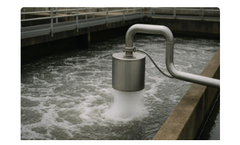
Oxygen levels in industrial water systems can drop due to high organic load, poor circulation, or contamination. ...
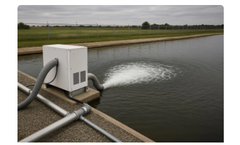
Water treatment technology is continually evolving, and efficient oxygen transfer is central to water quality, sustainability, and performance. ...
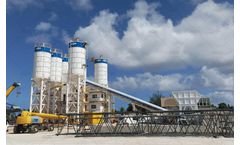
Conventional plants discharge this water as contaminated effluent, creating environmental liability and ongoing disposal costs. Eco-friendly plants integrate closed-loop water recycling systems — settling tanks, slurry separators, and reclaimed water circuits — that recover and reintroduce washout water into the ...
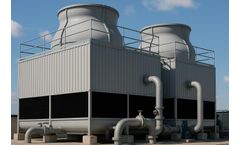
The first step in Legionella prevention is planning, monitoring, and maintenance. A water safety plan helps minimize contamination, protect equipment, and keep people safe. ...
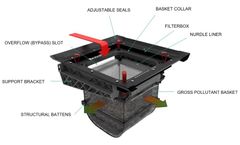
From litter and organic debris to sediment and microplastics, these contaminants can impact water quality and increase maintenance challenges for municipalities. ...
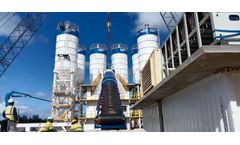
Venturi scrubber configurations offer high capture efficiency for fine particulate with minimal maintenance requirements relative to fabric filtration systems, at the cost of generating a contaminated scrubber water stream requiring treatment before discharge or recirculation. In plants already operating closed-loop wash water recycling systems, ...
Introduction: Why Chloride Plumes Behave Differently Chloride contamination presents a unique challenge in groundwater systems. Unlike many organic contaminants, chloride does not degrade, volatilize, or readily bind to soil. Once introduced into the subsurface, it moves with groundwater, often persisting for decades. ...
ByLiORA
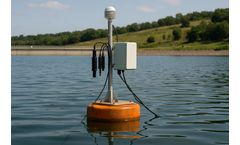
Real-time water quality monitoring enables drinking water utilities to detect contamination risks before they impact treatment operations. ...

Traditional disposal methods, including landfilling and open incineration, contribute to soil degradation, water contamination, and the emission of hazardous gases. Pyrolysis plant technology offers a scientifically grounded solution by transforming diverse industrial waste streams into recoverable energy and materials while minimizing ecological impact.Reduction ...
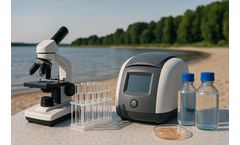
As the summer season approaches, monitoring bathing water quality becomes a critical public health and operational priority. Increased attendance at beaches, lakes, and rivers elevates the risk of bacteriological contamination, requiring vigilant oversight by water quality authorities and analytical laboratories. ...
They reduce the surface tension between liquids, enabling emulsification and removal of pollutants in water treatment processes.They are naturally biodegradable, and their environmental performance can be favorable compared with some conventional surfactants. Biosurfactants have demonstrated effectiveness against oil spills and other persistent contaminants.Applications in ...
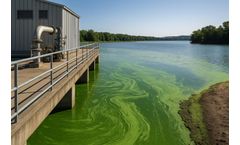
Harmful algal blooms (HABs) in drinking-water reservoirs pose multi-faceted operational risks for utilities, requiring proactive source-water management, robust monitoring, and rapid, non-disruptive response strategies to maintain water quality under regulatory constraints.Impact on Drinking Water UtilitiesHABs present challenges ...
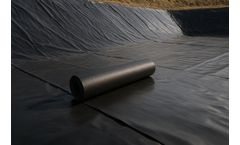
Oxidation ponds provide intermediate storage and degradation basins for farm effluents while preventing contamination of irrigation water sources. Recommended thickness: 1.0–1.5 mm HDPE.Hazardous Waste DisposalHazardous or radioactive waste requires stringent impermeability. ...
Disposing of oil sludge improperly can lead to severe environmental contamination, including soil and water pollution. However, the emergence of advanced technologies such as the oil sludge pyrolysis plant has provided an effective solution for the conversion of this hazardous waste into valuable energy resources. ...
Unlike conventional recycling methods, which are limited by plastic type and quality, pyrolysis can handle mixed and contaminated plastics that would otherwise end up in landfills or oceans. ...
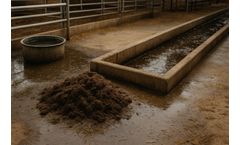
This article presents a system-level framework in which biosurfactant technology (FlyGuard JC-9620) and stabilized oxidative chemistry (JC-9465) are integrated to modify conditions at their source by addressing both the physical structure of contamination and the microbial dynamics within water and waste systems. ...
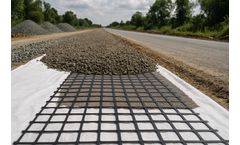
Geocomposite (5.5 mm) – Drainage and Pressure ReliefGeocomposites are engineered combinations of geotextiles and drainage cores designed to facilitate efficient subsurface water flow.Rapid lateral drainage of infiltrated waterReduction of hydrostatic pressure beneath pavement layersPrevention of water accumulation in subgrade2. ...
Leaks from these systems can contaminate soil and water sources if not managed properly. The use of non-biodegradable oils or improper disposal of contaminated materials further exacerbates environmental risks.5. ...

Avivid Global Water demonstrated its electrocoagulation (EC) technology for treatment of acid mine water discharge (AMD), waste reduction, and economic recovery of metals utilizing its patented TurboCoag® reactor. ...
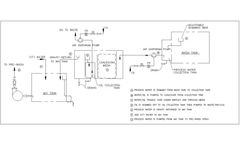
Through sedimentation, the dispersed oil in the middle and lower layers of the aqueous solution first aggregates and then separates, achieving thorough oil-water separation. The oil contaminants float to the top of the sedimentation tank and are discharged into an oil collection tank via an adjustable overflow port. ...