
Refine by
Copper Recycling Articles & Analysis
133 articles found
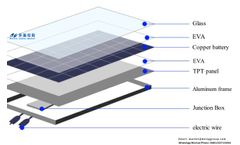
The material recovery rate from the dismantling and recycling of retired photovoltaic (PV) modules exceeds 99%. Glass accounts for 70% of the material and sells for $125–$135 per ton; aluminum frames make up 18%, valued at $1,800–$2,500 per ton; and core materials such as silicon, copper, and silver hold a recovery value ranging from $9,500 to over ...
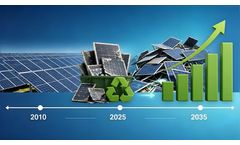
Furthermore, some local governments have provided recycling subsidies or tax incentives, thereby further reducing recycling costs for businesses. ...
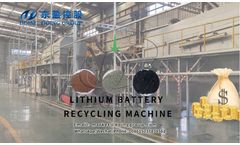
Segregated Collection: Store lithium iron phosphate batteries separately from other types of batteries to facilitate subsequent sorting and recycling processes. Contact Professionals: Upon identifying spent batteries, promptly contact a qualified professional recycling company or the equipment manufacturer to obtain expert guidance on proper disposal and ...
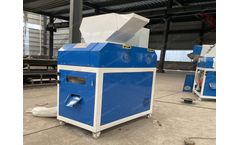
This SL-SCWG small copper wire granulator is designed for efficient and eco-friendly waste wire recycling. ...
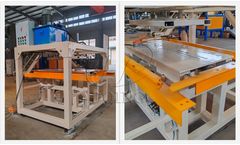
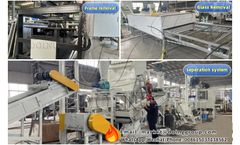
DOING's solar PV panel recycling machine utilizes the purely physical process and multi-stage crushing and separation process to achieve efficient recycling of solar panel materials: after removing the aluminum frame and glass, shredding the PV panel into small pieces, then grinding and finally screening and two-stage separation (airflow and electrostatic ...

Then one day, a customer brought in what looked like standard copper wire. Visual inspection said copper. The scale said copper weight. But an XRF test revealed it was actually 70% copper, 30% nickel—worth 3x more than pure copper scrap. That single misidentified load cost the yard $8,000 in lost profit. ...
The owner calculated a lost profit of roughly $8,000 from that single load and subsequently invested in a handheld alloy analyzer to prevent recurrence. Cable recycling operates on thin margins. The difference between correctly identifying alloys such as pure copper, brass, bronze, and copper-nickel can produce 2-3x price differences at the ...
Aluminum - The aluminum obtained from dismantling the aluminum frame can be melted down and reused in various industries. Plastics - Plastics can be recycled to manufacture new products. Photovoltaic cells - After further processing, precious metals such as silicon, silver, and copper can be extracted. Mechanical recycling is currently the most ...
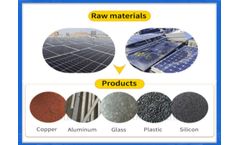
Inside every end-of-life PV panel are high-value materials: durable aluminum frames, reusable glass, silicon (the core of solar cells), and copper wiring. Recycling these materials cuts the cost of manufacturing new solar panels, slashes carbon emissions from virgin mining, and creates a steady revenue stream for businesses. ...
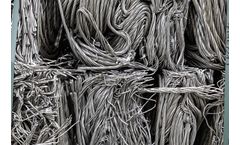
The global transition toward renewable energy infrastructure, electric vehicle charging networks, and smart grid technologies has dramatically increased aluminum cable usage while simultaneously creating substantial opportunities for specialized recycling operations. Unlike traditional copper-based systems, aluminum cables present unique processing challenges and ...

This not only reduces the cost of manufacturing new photovoltaic panels, but also reduces dependence on natural resources. 3. Precious metal recycling Solar panels contain trace amounts of precious metals such as copper and silver. ...
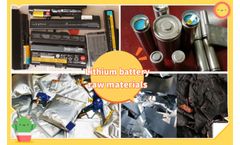
In recent years, due to tight supply and demand, prices have remained high. In addition to metal recycling, other components of lithium batteries, such as copper foil, aluminum shell and electrolyte, also have recycling value. Copper and aluminum, as highly conductive materials, can be put back into industrial production after ...
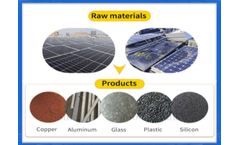
How to recycle solar panels?To recycle the most common solar panels (which use crystalline silicon to generate electricity), the DOING team has developed a complete solar panel recycling solution that includes the following steps: first, the junction box and aluminum frame are removed, then the EVA film is decomposed through heat treatment to ...
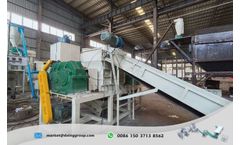
Silicon cells, although requiring complex processing, can be recycled and reused in the production of new solar cells. Metals such as silver and copper are precious commodities, and recycling can reduce the need for mining. ...
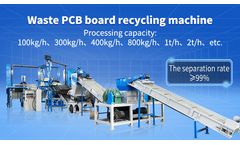
PCB (Printed Circuit Board), found in a wide range of electronic devices, contain precious metals such as gold, silver, copper, and palladium, along with other recyclable components. Recycling PCBs not only helps in resource conservation but also mitigates the pollution caused by improper disposal of electronic waste. The price of a PCB ...
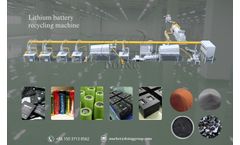
Use: These batteries power devices until they reach their end of life. Recycling: After use, lithium batteries can be recycled to recover valuable materials. ...
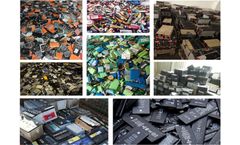
The recycling of waste lithium batteries is a field of great economic value, because lithium batteries contain rare earth elements and non-ferrous metals with high economic value, such as cobalt, lithium, nickel, copper, aluminum, etc. ...
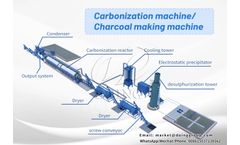
The photovoltaic panel recycling equipment for waste photovoltaic panels can decompose single-glass and double-glass photovoltaic panels into silicon wafers, glass, welding strips, etc., to achieve resource recycling. ...
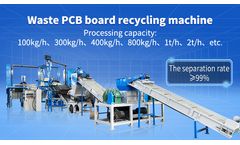
PCB (Printed Circuit Board), found in a wide range of electronic devices, contain precious metals such as gold, silver, copper, and palladium, along with other recyclable components. Recycling PCBs not only helps in resource conservation but also mitigates the pollution caused by improper disposal of electronic waste. The price of a PCB ...
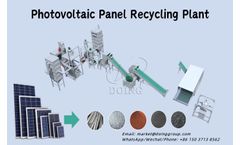
The main materials of photovoltaic panels include silicon, glass, aluminum, copper, etc. These materials have high recycling value and can be sold directly or reused in the manufacturing process, which not only reduces production costs but also promotes the circular economy. ...