
Refine by
Coral Reef Articles & Analysis
115 articles found

1. Introduction Dredging is a fundamental practice to keep ports, canals, and industrial basins navigable. We also rely on it for environmental recovery and coastal defense interventions. However, these activities can have a significant environmental impact if we do not plan and manage them correctly. Today, the most modern technologies allow us to combine operational efficiency with ecosystem ...
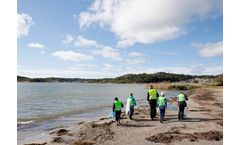
The Maldives, known for its pristine white-sand beaches and turquoise waters, is a beacon for tourism and natural beauty. However, the islands face constant threats from coastal erosion, exacerbated by climate change and rising sea levels. Addressing these challenges requires innovative and sustainable solutions to protect the fragile ecosystem while preserving the natural allure of the beaches. ...

The mutualistic microorganisms of coral reef cnidarian symbiosis, pea aphids, and cactuses have been involved in epigenetic thermotolerance differences. ...

Strontium dating (as enabled by the 87Sr/86Sr ratio of marine carbonates) can be used to date various marine samples based on the premise that the mixing of oceanic strontium occurs relatively rapidly through time compared to the residence time of oceanic strontium. This creates a uniform global marine 87Sr/86Sr ratio at a given point in time; the fluctuations over millions of years represent a ...
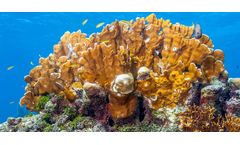
Sparkling water, clean sands, and vibrant reefs are what attract visitors The Caribbean is one of the top tourist destinations in the world, and coastal economies are the most tourism-dependent. The star is sparkling seas, which support coral reefs, produce a bounty of seafood, and wash against white beaches. ...
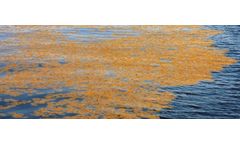
It typically likes shallow water and coral reefs. Some species grow attached to rocks and reefs but are broken loose during rough weather. ...

This acidification poses grave threats to marine biodiversity. Coral reefs often termed the rainforests of the sea due to their incredible biodiversity, are particularly vulnerable. As the oceans become more acidic, corals struggle to build their calcium carbonate skeletons, leading to reef bleaching and eventual death. ...
Ecosystems, from the lush rainforests of the Amazon to the Great Barrier Reef coral reefs, all feel the sting of pollution. Acid rain, formed due to the reaction of sulphur dioxide and nitrogen oxides with water vapour, doesn’t merely affect aquatic ecosystems. ...
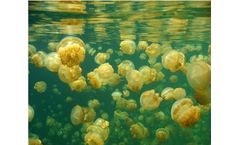
Overview * Note: This article written by the team at Coral Reef Research Foundation. The Coral Reef Research Foundation undertakes a wide variety of marine research activities in the Palau Islands, located in the western Pacific, just north of the equator. ...

Today, we are joined by Territory Manager Jeremy Thompson as he treks deep into the swamps of Louisiana to observe how water is being monitored in this critically important ecosystem. Thank you for joining us! ...
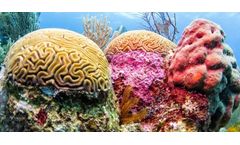
Decentralized wastewater treatment could alleviate threats to the world’s second-largest coral reef Coral reefs are found in warm, nutrient-poor waters. These tropical marine ecosystems are rich in biodiversity, and the organisms there have adapted to the conditions. Nutrients from human activities can upset the delicate ...

Fluence can provide reliable, expertly managed infrastructure with no upfront cost From Trinidad & Tobago to Jamaica, the Caribbean is a haven for vacationers from around the world. As a result, hotels and resorts use a lot of water, and infrastructure is frequently inadequate and outdated. Discharges of partially treated or untreated wastewater threaten the pristine waters and reef ...
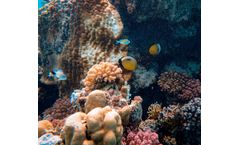
Coral reefs are known to be the “rainforests of the ocean“. They are among the most diverse and productive ecosystems found on the planet. Coral reefs are a vital part of the marine ecosystem that provides habitat for approximately 25% of all marine life and over 4,000 species of fish, despite only covering 1% of the ...

On 5 June 2021, World Environment Day will open the decade dedicated to ecosystem restoration. The United Nations has chosen the motto “Reimagine, recreate, restore” to celebrate it. For years, we have exploited and destroyed ecosystems, even though human survival depends on their health. This is the moment to change course! Investing in ecosystems means investing in our future. ...
We have helped to create two community-Led marine reserves in the Bay of Ranobe in order to protect coral reef habitats from overfishing We have facilitated the establishment of two marine reserves in the Bay of Ranobe. The first marine reserve was the ‘Massif des Roses’ (Rose Garden, named after the dominance of foliose Montipora ...
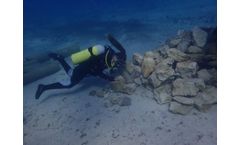
We install simple, affordable, and replicable artificial reefs on degraded patch reefs across the Bay of Ranobe to act as alternative primary fishing sites for local fishermen, redirecting fishing pressure off fragile coral reefs. ...
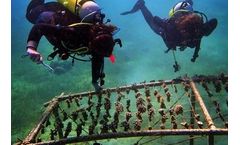
We adopt a two-step process known as 'coral gardening' to actively restore degraded reefs Since the majority of coral reef habitats within the bay have been heavily degraded due to bleaching, sedimentation, and over-fishing, it is imperative to implement an active, sustainable and widespread restoration programme in order to ...
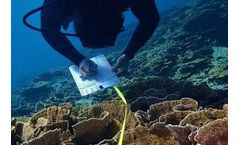
We utilise standard survey techniques to provide reliable long-term information on the health of coral reefs Reef Health Surveys We have been monitoring the status of the Bay of Ranobe’s coral reef system since 2004. Our long term surveying programme monitors various ecological parameters across the bay to ...

Jellyfish Lake in Palau is famous as a place to swim with jellyfish. This is possible because the jellyfish in this particular lake have reduced pneumatocysts, which means they are unable to sting people. Palau is located in the western part of the Pacific Ocean, near the Philippines. Due to its location, Palau is subject to the effects of El Niño, which significantly decreases aquatic ...
The Danger Posed by Warming Oceans Warming ocean water can stress fish and other aquatic animals, sometimes to the point where organismal survival is threatened. The mechanism by which this occurs is well understood. A rise in water temperature causes an increase in animal metabolism, increasing the rates of, and need for, respiration, while at the same time reducing the supply of dissolved ...