
Refine by
Corn Cob Articles & Analysis
49 articles found
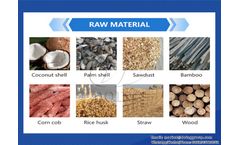
The following are some biomass feedstocks suitable for biochar carbonization&pyrolysis: ① Agricultural Waste Crop Residues: Such as rice straw, wheat straw, corn cobs, corn stalks, rice husks, peanut shells, bean stalks, cotton stalks, etc. ...

Location: Canada Crop: Potatoes (reds, yellows, russets) Capacity: 50–60 t/h Line Type: High-capacity potato wash line The Challenge Heartland Fresh Pak, a potato operation in Canada, needed a wash line capable of handling high volumes of varietal potatoes—reds, yellows, and russets—at 50–60 tonnes per hour. The solution had to integrate seamlessly with their existing ...
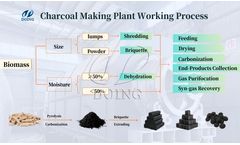
Continuous carbonization machine utilizes automated control systems for continuous feeding and discharging, streamlining operations and accommodating a variety of raw material types, such as coconut shells, bamboo shells, and other fruit shells, rice husks, corn cobs and other agricultural residues, as well as sawdust and branches from wood processing. ...
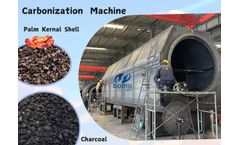
Versatile Application Our series of carbonization machine is not only suitable for processing organic waste such as palm fruit empty fruit bunches, but can also handle various agricultural residues, such as sugarcane bagasse, rice straw, corn cobs, coconut shells, and fruit tree branches. It can also efficiently convert biomass resources such as food waste and ...

Strong adaptability to raw materials: DOING Holdings' carbonization equipment can process a variety of biomass raw materials, such as wood, bamboo, fruit shells, corn cobs, straw, etc. The Philippines has abundant biomass resources, such as a large amount of wood, bamboo and agricultural waste (such as coconut shells, bagasse, etc.), which can be used as raw ...
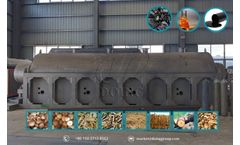
This method is also known as pyrolysis and is applicable to various raw materials for producing biochar or charcoal, including but not limited to wood, fruit shells (such as coconut shells, palm shells), biomass waste (such as corn cobs, rice husks, straw, bamboo), etc. Here’s a step-by-step guide on how to make charcoal using a carbonization plant: 1. ...
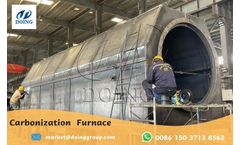
Various biomass: such as rice husks, sawdust, coconut shells, olive shells, palm shells, corn cobs, straw, bamboo, wood chips, wood, etc.; 2. Sludge: urban sludge, municipal sludge, industrial sludge, etc.; 3. ...
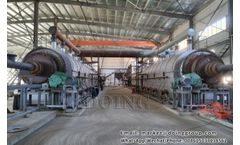
In recent years, corn cob charcoal making technology has become popular. After carbonization, corn cobs are converted into a high-quality biomass carbon. ...

She demonstrated that genes on chromosomes can change their place during the early development of a young plant – the growth of a kernel on a corn cob! This phenomenon, highlighted by a change in pigmentation of the kernel, is referred to as transpositions. ...
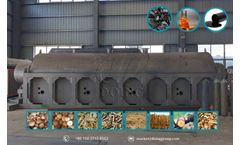
Rice Husk: A byproduct of rice milling, rice husk is often considered waste but contains high amounts of silica, making it an excellent feedstock for charcoal production. 2. Corn Stalks and Cobs: After harvest, corn stalks and cobs are typically left in the fields. ...

It can also be used for cutting fibrous stalk-like materials such as bamboo, straw, mushrooms, garden branches, corn cobs, etc. Cut into pieces. It is a new type of wood crushing production equipment. ...
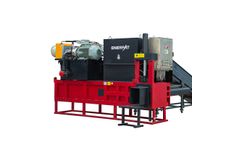
This is an baling press machine that can be used for pressing garbage into compact bales,like hemp hurd, Herbs, Wood Shavings, Sawdust, Rice Husk, Rice Straw, Alfalfa Hay, Cottonseed Husk, Cottonseed Hull, Corn Cob, Paper Pulp, Miscanthus Chips, Wood Chips, Cocopeat etc.After testing and checking the machine in our factory, our customers were completely satisfied ...
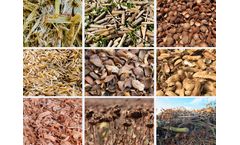
They are widely used as a raw material for charcoal due to their high carbon content and availability in coconut-producing regions. Corn cobs: Corn cobs are the central part of corn ears, often left as agricultural waste after harvesting. ...
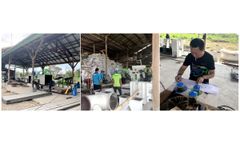
Biomass fuels made by biomass pellet mill use plants such as corn stalks, wheat straw, straw, peanut husks, corn cob, cotton stalks, soybean stalks, chaff, weeds, branches, leaves, sawdust, bark and also various other strong wastes as raw materials. ...
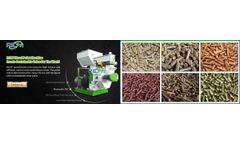
It can likewise be plant straw, rice husk, corn cob, corn stalk as well as various other kinds. The result of various basic materials is additionally various. ...
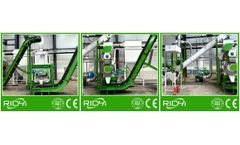
If the grain is currently matured prior to conditioning (eg drying out corn), the output of the wood pellet mill will certainly be lowered. ( 3) Thermal level of sensitivity. ...
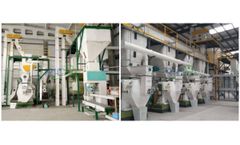
Different biomass resources, such as twigs as well as straw, are smashed as well as pressed with rod-shaped biomass pellets to replace coal for burning. Such as corn stalks, wheat stalks, cotton stalks, straw, peanut coverings, corn cob, branches, bark, edible fungus residues, standard Chinese medicine deposits and also other strong ...
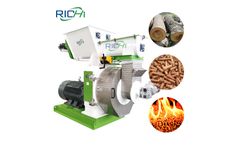
Related post: sawdust pellet machine for sale ( 2) Crop deposits: Plant deposits consist of cotton straw, wheat straw, straw, corn stalk, corn cobs and also a few other grain stalks. The wood pellet equipment can make these residues right into biomass pellets to understand resource reuse. These "crop deposits" additionally have some ...

Related post:rice husk pellet making machine Biomass pellet gas is using seasonal raw materials in rural areas: such as timber, branches, peanut shells, wheat straw, corn stalks, rice husks, sawdust, shavings, and so on. The relevant procedure is processed into 6-10mm strong granular fuel. ...

Pellet fuel is processed by biomass fuel pellets, and the raw materials are corn stalk, wheat straw, straw, peanut covering, corn cob, cotton stalk, soybean stalk, chaff, weeds, branches, leaves, sawdust, bark, and so on. ...