
Corn Moisture Articles & Analysis
10 articles found

By sealing the silage in airtight, heavy-duty plastic bags, the exposure to external moisture is eliminated, and the internal moisture can be more effectively controlled. ...
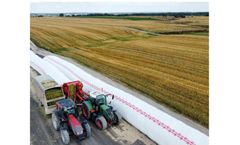
One of the primary benefits of using a bagging machine is the ability to store and manage small quantities of different feed types such as alfalfa, corn, grass-legume mix, sorghums, or oats. If needed, farmers can even designate sections within a single bag for different crops, such as marking one portion for wheat and another for corn. ...

However, dairy farmers are increasingly turning to high moisture corn silage, specifically snap I age/earl age, due to its high energy content and easy digestibility. ...
The latest genus requires high moisture content, so outspreads in fields and attacks vegetative substances and known as “field fungi”. ...
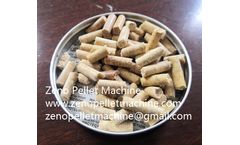
Generally, the moisture content of grain feeds should be controlled below 13% to 14%. For example, the moisture content of corn should be below 12.5%. The moisture content of vegetable meal, bran, fish meal, etc. should not exceed 12%. ...

Material: Cereals (wheat, corn, canola) Moisture range: 10 – 20 % Installation: Hopper after dryer Function: Dryer efficiency control APPLICATION A customer in the Food industry was looking for solutions to improve dryer efficiency and fuel consumption. ...
ByENVEA

” The optimum harvest moisture for corn is higher than what many farmers expect. Ideally harvesting at about 23–25 percent moisture is economical and efficient for many reasons: Kernels shell easily Stalk integrity is still relatively good Risk of mechanical harvest loss is minimal, one to two percent Plant breeders are ...

Friday, January 29 was National Corn Chip Day. To celebrate, we took a closer look at this wonder of the snack world and are sharing the important role that moisture plays in the production of corn chips and snack foods in general. ...

Stacked (two to three transgenic traits) corn (Zea mays L.) hybrids represented 40% of U.S. corn in 2008, despite limited agronomic studies. ...

The oils studied were rapeseed oil, corn oil, spent rapeseed cooking oil, sunflower oil, olive oil and hempseed oil. Trends in moisture content with such factors as degree of prior exposure to the atmosphere are identified and discussed. [Received: September 26, 2008; Accepted: November 8, 2008]Keywords: biodiesel, moisture content, rapeseed oil, ...