
Refine by
Corn Stalk Articles & Analysis
67 articles found

Agricultural residues, forestry byproducts, sawdust, rice husks, coconut shells, bamboo, corn stalks, and fruit shells all possess distinct physical and chemical characteristics that influence thermal behavior. ...
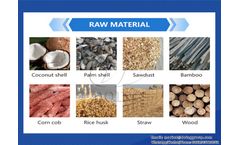
The following are some biomass feedstocks suitable for biochar carbonization&pyrolysis: ① Agricultural Waste Crop Residues: Such as rice straw, wheat straw, corn cobs, corn stalks, rice husks, peanut shells, bean stalks, cotton stalks, etc. ...
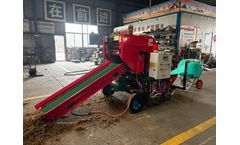
This silage baler machine works stably with corn stalks, pasture, grass and sugarcane leaves. Its heavy-duty structure ensures long service life, while intelligent automatic control simplifies operation. ...
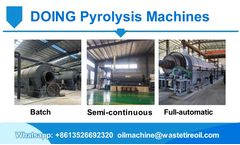
Agricultural production generates a large amount of waste every year, such as rice husks, straw, corn stalks, and fruit tree branches. These agricultural wastes can actually be transformed into valuable biochar through appropriate methods: pyrolysis/carbonization process. ...
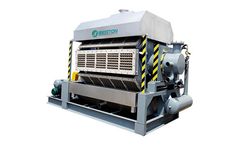
By utilizing materials such as agricultural byproducts, such as rice husks or corn stalks, egg tray machines will help manufacturers reduce waste from farming processes and lower material costs. ...
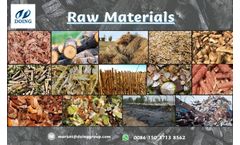
Common types of agricultural waste suitable for charcoal production include: Agricultural waste ● Crop Residues: Rice straw, corn stalks, wheat straw, and sugarcane bagasse. ● Wood Chips and Sawdust: From pruning, logging, and woodworking operations. ● Nutshells: Coconut shells, almond shells, and walnut shells. ...
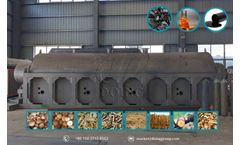
Rice Husk: A byproduct of rice milling, rice husk is often considered waste but contains high amounts of silica, making it an excellent feedstock for charcoal production. 2. Corn Stalks and Cobs: After harvest, corn stalks and cobs are typically left in the fields. ...
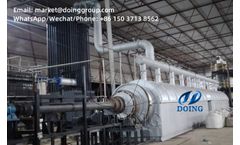
It is suitable for various biomass raw materials, such as straw, corn stalks, sawdust, fruit shells, etc., and shows extremely high adaptability and flexibility. 1.Charcoal : Charcoal is one of the primary products of carbonization equipment. ...
This section delves into the versatility of rice husks, showcasing their potential role in charcoal production and how they stand as a testament to the sustainable utilization of agricultural byproducts. Straw and Corn Stalks: Harnessing Crop Residues The aftermath of grain harvests often manifests in vast fields of straw and corn ...
Agricultural Residue Management: Agricultural residues like corn stalks and grass, often considered challenging waste materials, are efficiently dewatered using screw presses. ...
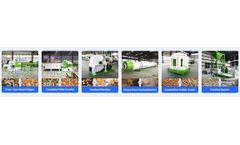
These devices are made use of to transform biomass materials, such as wood chips, sawdust, and also corn stalks, into small pellets that can be shed for power. However how do these machines in fact function? ...
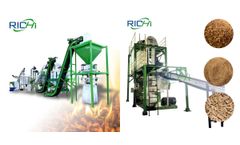
A biomass pellet mill is a equipment that turns raw materials like timber chips, sawdust, grass, straw, as well as corn stalks into tiny, cylindrical pellets. These pellets are an excellent source of fuel for home heating, food preparation, as well as generating electrical energy. ...
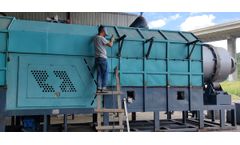
Many of the most common carbonized materials are coconut shells, sawdust, woodchips, bamboo shavings, chestnut shell, and corn stalks. Many other materials used to make charcoal briquettes include rice husks, corn stalks, and sunflower stalks. ...
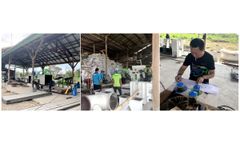
Biomass fuels made by biomass pellet mill use plants such as corn stalks, wheat straw, straw, peanut husks, corn cob, cotton stalks, soybean stalks, chaff, weeds, branches, leaves, sawdust, bark and also various other strong wastes as raw materials. ...
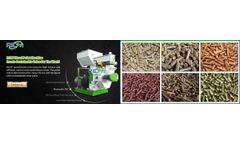
It can likewise be plant straw, rice husk, corn cob, corn stalk as well as various other kinds. The result of various basic materials is additionally various. ...
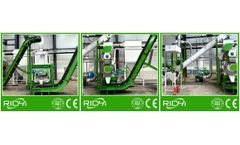
If the grain is currently matured prior to conditioning (eg drying out corn), the output of the wood pellet mill will certainly be lowered. ( 3) Thermal level of sensitivity. ...
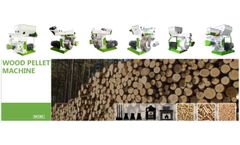
The biomass wood pellet mill can make corn stalks, rice husks, forage lawn, branches, tree stalks, bark, cotton stalks and various other resources into fuel or feed. ...
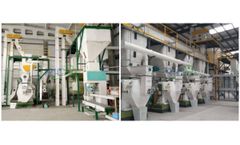
Different biomass resources, such as twigs as well as straw, are smashed as well as pressed with rod-shaped biomass pellets to replace coal for burning. Such as corn stalks, wheat stalks, cotton stalks, straw, peanut coverings, corn cob, branches, bark, edible fungus residues, standard Chinese medicine ...

The reduced calorific worth of straw pellets is 3000 ~ 3500 kcal/kg. Bean stalk, cotton stalk, peanut covering, etc 3600 kcal/kg;. Corn stalk, rape stalk, etc 3300 kcal/kg;. ...
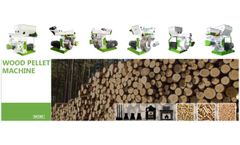
Introduction of wood pellet mill Sawdust timber pellet mill for sale is a mechanical tools that makes use of corn stalk, wheat straw, straw, peanut covering, sawdust, bark as well as other strong wastes of crops as raw materials, and also comes to be strong pellet gas after squashing, pressurizing, compressing and molding. ...