
Refine by
Corrosion Prevention Articles & Analysis
219 articles found

The pretreatment system removes particulate matter and corrosive components to fully protect downstream core equipment; the zeolite rotor concentrates dilute organic waste gas; the CO system decomposes organic pollutants at low reaction temperatures. ...

This article provides a practical, field-tested maintenance framework that protects your investment, reduces downtime, and keeps your concrete quality consistent across every pour.The Daily Walk-Around Inspection That Prevents Big Failures Most costly breakdowns start as small, visible issues that go unnoticed. ...
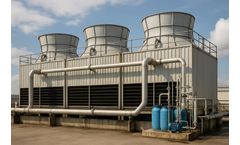
Chemical treatment programs Conventional approaches use corrosion inhibitors to protect metal piping, oxidizing biocides to control microbial growth, and pH control to maintain chemistry. While effective in preventing corrosion and fouling, these programs require handling of potent liquids, carry spill risks to personnel, and generate hazardous ...

Inorganic carbon (IC) is a key indicator for wastewater compliance, treatment efficiency evaluation, and equipment corrosion prevention. However, the special physicochemical properties of triethylamine bring challenges to accurate IC detection. ...
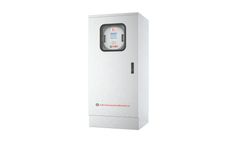
The electrochemical O2 sensor serves as a safety safeguard that ensures strict anaerobic conditions and prevents oxygen intrusion capable of destabilizing the process. As biogas proceeds to desulfurization stage, hydrogen sulfide (H2S) becomes the most critical contaminant to control. ...

Advantages of Carbon Steel A105 Flanges Carbon Steel A105 Flanges offer several advantages, making them a popular choice in various industries: Strength and Durability: Carbon steel is well-known for its high strength and durability, making A105 Flanges suitable for demanding applications. Corrosion Resistance: While carbon steel is susceptible to corrosion, A105 ...
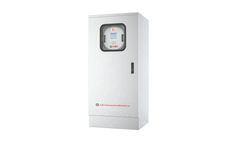
The electrochemical O2 sensor serves as a safety safeguard that ensures strict anaerobic conditions and prevents oxygen intrusion capable of destabilizing the process. As biogas proceeds to desulfurization stage, hydrogen sulfide (H2S) becomes the most critical contaminant to control. ...
ASTM A53: Available in both seamless and welded forms, often used for lower-pressure applications like air, steam, or water transport within plants. 2. Stainless Steel Pipes (Corrosion Resistance) When dealing with acidic fluids or extreme temperatures, stainless steel is mandatory. 304/304L: Standard grade for general corrosion resistance. 316/316L: Contains ...
Reducers: Concentric reducers for vertical lines and Eccentric reducers to prevent air pockets in horizontal suction lines. Tees: Equal tees and Reducing tees for branching. ...

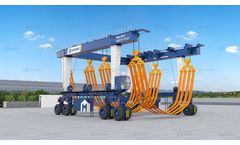
Coastal crane protection is not only about chemistry—it is also about geometry.Anti-corrosion design principles include: Sealed box girders: Prevent internal moisture buildup inside structural members. ...

Aluminum cans are commonly used for beverage packaging; their surfaces are coated with the protective layer of paint to prevent corrosion and enhance their aesthetic appeal. However, during the recycling process, these paint layers interfere with the smelting and purification of the aluminum. ...
They differ from general industrial paints in several key ways:1. Enhanced Corrosion Resistance Marine coatings contain corrosion inhibitors and formulations that resist rust formation even under salt spray conditions.2. ...
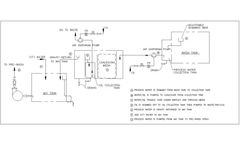
This is followed by a chemical water-based anti-rust spray treatment to enhance surface corrosion resistance and prevent surface oxidation. A significant amount of lubricating oil, iron filings, and mineral oil is generated during this cleaning process. ...
At Rayoung, we ensure these flanges undergo rigorous Charpy V-notch impact testing to prevent brittle fractures. Corrosive Sour Service: In environments high in H2S or CO2, traditional stainless steel often falls short. ...

When a portable asphalt plant is selected for a multi-year highway concession in Mexico or Colombia, the configuration must include robust structural components and corrosion protection systems suitable for semi-permanent installation.Interestingly, many concessionaires initially acquire a portable asphalt plant for the construction phase, then gradually augment it with ...
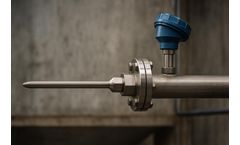
Accurate temperature measurement in process systems relies on correctly sized thermowells, which protect sensors from the process stream, enabling safe replacement and shielding against flow-induced forces and corrosion. Improper sizing or installation is a leading cause of measurement lag, vibration, and inaccuracy in industrial plants. ...

When the temperature drops and snow starts to fall, many property managers and facility operators assume that bird control becomes a lower priority. After all, spring and summer bring the most visible bird activity with nesting, breeding, and increased outdoor presence. But in reality, the colder months introduce a different kind of pressure—one that makes winter bird control essential for ...

The electrochemical O2 sensor serves as a safety safeguard that ensures strict anaerobic conditions and prevents oxygen intrusion capable of destabilizing the process. As biogas proceeds to desulfurization stage, hydrogen sulfide (H2S) becomes the most critical contaminant to control. ...

Ensure that the wetted materials of the flowmeter are compatible with the fluid to prevent corrosion, erosion, or other adverse effects. Accuracy Requirements: Consider the required level of accuracy for your application. ...
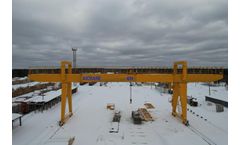
Corrosion-resistant coatings and sealed bearings protect the crane over time. ...