
Refine by
Cover Crop Articles & Analysis
135 articles found
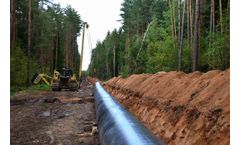
Key Benefits of Hydroseeding for Oil & Gas Industries Hydroseeding offers a cost-effective and environmentally-friendly method to meet stringent environmental regulations, stabilize land disrupted by pipeline projects, drilling operations, and ...
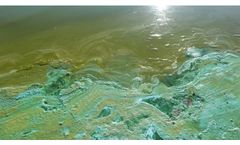
In an era where agriculture is essential for sustaining the global population, it’s crucial to examine the unseen threats that farming practices pose to aquatic ecosystems. While modern farming techniques have significantly boosted food production, they have inadvertently introduced risks that could undermine the very foundations of our aquatic environments. Farming, whether involving ...
Agriculture has always been a fundamental part of human civilization, providing the food and resources necessary for survival. However, as the global population continues to rise and climate change presents new challenges, the need for efficient agriculture farm management has become increasingly critical. Implementing modern technologies and innovative practices can help optimize productivity, ...
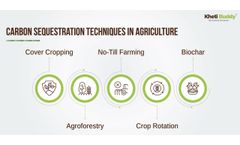
While farming activities have traditionally been associated with greenhouse gas emissions, innovative practices can turn agriculture into a significant carbon sink. This transformation hinges on effective carbon sequestration techniques, which capture and store atmospheric carbon dioxide in soils and plants. Implementing these methods is crucial in our fight against climate change. However, the ...

We We are partnering with Southern Piedmont organic and conventional diverse vegetable farmers through an enhanced incentives program. Farmers will be asked to add cover crops to their vegetable rotation. We will monitor greenhouse gas emissions, soil health benefits, economic impacts, and social barriers to the adoption of using cover ...

One of India’s leading crop protection companies has harnessed the power of remote sensing technology to enhance its interactions with farmers. By offering valuable insights into crop management, covering aspects such as nutrition, irrigation, and pest and disease control. The company has improved the efficacy of crop ...
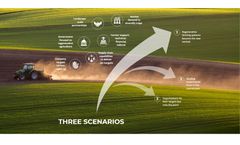
What does the future hold? What are the most important enabling conditions for the scaling of regenerative agriculture so that companies hit their 2030 targets and regenerative agriculture becomes ...

This conserves precious water resources, prevents soil erosion, and promotes efficient water use. Crop Selection and Rotation: Different crops have varying salt tolerance. EC mapping helps farmers choose the right crop for each soil zone, maximizing yield and minimizing stress on the plants. ...

For commercial purposes, hydroseeding can be used to cover highway construction embankments and disturbed areas quickly to stabilize slopes and help reduce erosion and runoff in the areas impacted by construction activity. ...
For centuries, farmers have relied on intuition, experience, and a hint of superstition to nurture their crops. While time-honored technologies still have value, the modern agricultural landscape has a powerful ally: precision agriculture. ...
Though it is the foundation of life, soil constitutes only a thin layer of material on the surface of our planet. It provides the necessary weathered minerals, organic materials, air, and water, which are the most precious resources for all living creatures. Plants find life in soil, as it provides a rooting medium and nutrient source for plants to grow. Through healthy plants, ...
Everyone knows the environmental impact carbon emissions have on the environment, speeding up climate change and causing extreme weather conditions. However, fewer people are aware of the importance of using water conservatively, as resources are quickly diminishing across the world, which not only exacerbates climate change, but could also put human and animal life at ...

” Know what’s in your soil for a better fertilizer plan Healthy, nutrient-dense soils help to grow productive crops. As part of the commitment to supporting growers make the most informed decisions, Decisive Farming by TELUS Agriculture agronomists review soil tests and develop specific recommendations for each zone on a farm to account for variations in texture, ...
Carbon sequestration is a critical component of ensuring sustainable soil and water management, promoting biodiversity, fostering greener food supply chains, and enhancing resilience against climate extremes. However, putting carbon farming into practice to achieve that frequently, requires further investments; such as buying new equipment, devoting time and resources to soil analysis ...
Again, plants can play a pivotal role in reducing the amount and severity of slope erosion. Cover crops, shrubs, and grasses can all slow the process of water erosion and help prevent the most disruptive effects of wind erosion. ...

Erosion control on slopes is top of mind for many residential construction managers as they try to ensure the homes they're building are protected from erosion. Slope and soil erosion can cause significant damage to a property, such as destabilizing soil, destroying vegetation, and damaging landscaping features. Fortunately, there are effective strategies available to fight erosion and protect ...
Considerable losses of soil carbon occurred around the world due to land use and changes in land cover, for instance trough deforestation, crop-grass rotations, peatlands drainage, etc., resulting in a cumulative loss of 133 Gt of ...
Hydroseeding, by comparison, can cover a large area in a short period of time with crops or seeds that germinate quickly and establish root systems to help prevent runoff and erosion in the affected area. ...

When phosphorus levels in a water body reach abnormally high amounts, it can severely disrupt natural cycles and trigger a chain reaction of ecological imbalances. Rapidly multiplying organisms such as algae can benefit the most from this excess of nutrients. If not dealt with promptly, these algae can form large, unsightly, and potentially toxic algal blooms, known as harmful algal blooms ...
Sustainability and efficiency are Curtis Kornelson’s goals for his farming operation as he hopes to one day hand the farm down to his son. That’s why he adopted variable rate technology on his farm more than ten years ago. Curtis Kornelson is a third generation farmer – he grows green lentils, canola, durum and barley on just over 8,000 acres northwest of Kindersley, ...