
Refine by
Crane Component Articles & Analysis
159 articles found
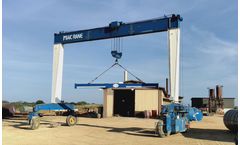
It coordinates electrical, hydraulic, and mechanical subsystems to ensure precise, safe, and efficient crane operation. This article explains how PLC-based control systems work in RTG cranes, their core components, operational logic, advantages, and maintenance considerations.What Is a PLC-Based Control System in RTG Cranes? A ...
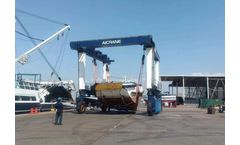
Boat lift cranes and coastal lifting equipment operate in one of the most aggressive environments on earth. ...
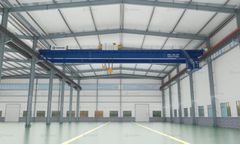
These cranes, often tasked with lifting hundreds of tons, rely on robust motors to drive hoists, trolleys, and crane bridges. ...
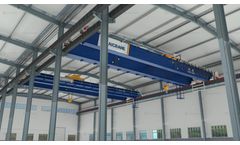
A higher duty class requires stronger, more rigid components to withstand repeated stresses without fatigue. For example, heavy-duty cranes in steel manufacturing may use thicker girders or reinforced welds to resist bending and torsional stress.Hoist MechanismThe motor, gearbox, drum, and braking system are all selected according to duty class. ...
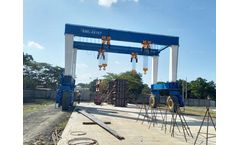
If the ground is not properly engineered:Tires can sink, causing uneven crane travel.Structural components may experience excessive stress, leading to premature wear.Lifting operations may become unstable, increasing the risk of accidents.Maintenance costs for both cranes and yard surfaces will escalate.Ensuring a robust ground foundation is ...
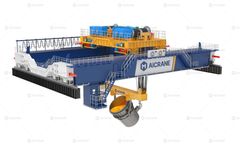
Protective Enclosures and Shielding Radiant heat and molten metal can damage crane cabins and sensitive components. Protection methods include: Heat Shields and Curtains: Panels or shields are installed to reflect radiant heat away from critical crane sections. ...
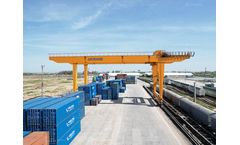
Among the many components that ensure the safe and precise operation of RMG cranes, limit switches play a vital role. ...
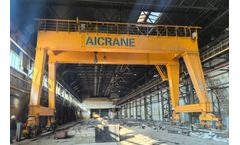
Sustainable Material Selection and Manufacturing Responsible Steel and Component Sourcing Heavy gantry cranes rely heavily on steel structures and mechanical components. ...
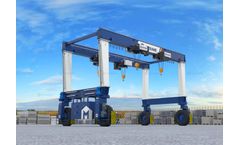
Handling these components requires cranes that offer high load capacity, mobility across large yards, and flexibility to accommodate varying lifting configurations. ...
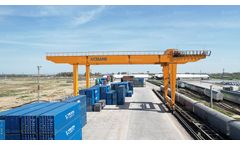
Many manufacturers now source certified recycled steel and track material provenance for accountability.Alternative MaterialsInnovations in composites and alloys provide opportunities for non‑traditional materials in specific crane components, reducing weight and enhancing corrosion resistance.4. ...
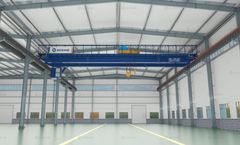
Among the most critical elements in such a facility is the placement of overhead cranes, especially double girder overhead cranes, which are widely used for lifting heavy materials, steel beams, and machinery components. ...
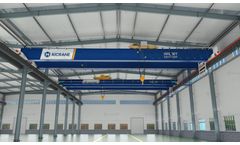
This level of automation enhances operational accuracy, safety, and efficiency.Key Components of a PLC-Based Overhead Crane Control System A typical PLC-controlled workshop overhead crane system consists of the following core components:PLC Unit: The PLC serves as the brain of the crane. ...
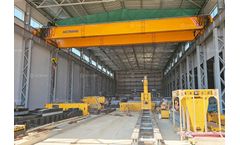
The trolley mechanism is one of the most crucial components of an overhead crane system. It is responsible for moving the hoist along the crane’s bridge girder, enabling precise positioning of loads for lifting, transferring, and placement operations. Understanding how the trolley mechanism works, its components, and its ...
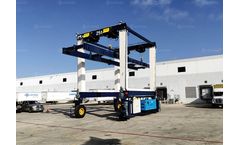
Rubber Tyred Gantry (RTG) cranes are indispensable in modern container terminals, ports, and logistics hubs. ...
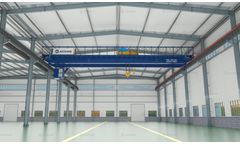
A higher capacity crane requires stronger materials, reinforced structural components, and more powerful hoisting systems. ...
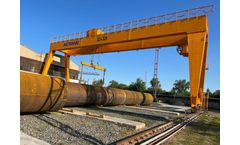
Temperature fluctuations introduce thermal loads that cause expansion and contraction of steel components. Temperature Load Design Requirements Thermal Expansion and Contraction of Girders Long span cranes—such as 30m to 50m double girder gantry cranes - are especially susceptible. ...
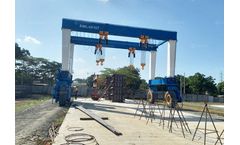
At an average cost of €1.25 per liter, fuel expenses total around €45,000 per crane per year. By switching to an energy-efficient hybrid or fully electric system, annual energy costs could drop to just €6,000, saving approximately €39,000 annually per crane. ...

When selecting a crane system for material handling, one of the key decisions involves choosing between a gantry crane and an overhead crane. ...
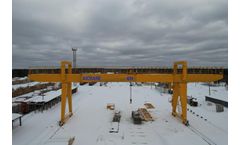
A weatherproof gantry crane is designed to withstand: Rain and Moisture: Water can damage electrical components, corrode steel, and affect the crane’s structural integrity. ...
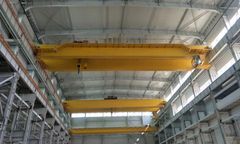
Overload detection prevents structural stress on the crane, minimizes wear and tear on mechanical components, and ensures compliance with safety standards. ...