
Refine by
Crop Engineering Articles & Analysis
22 articles found

Every Crop Is Different, and So Is Our Approach No two harvests are ever the same. ...

In biotechnology and agriculture, analyzing sterols can help in developing new drugs or engineering more resilient crops. Therefore, a robust Sterol Lipids Analysis service is an indispensable tool for researchers, clinicians, and drug developers. ...

Researchers are now using this technology to engineer crops for improved yield and resistance to pests, develop gene therapies for genetic diseases in humans, and even create novel biotechnological applications. ...

The agricultural sector is at a critical stage. With the global population projected to reach nearly 10 billion by 2050, the demand for food is increasing rampantly. At the same time, there is mounting pressure to adopt sustainable farming practices to protect our planet’s limited resources. This delicate balance between increasing food production and minimizing environmental impact ...
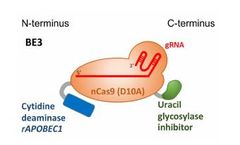
This has the potential to be used for highly targeted pest control. Imagine a crop engineered to produce an RNAi that specifically kills a certain destructive insect species, while leaving beneficial insects, bees, and other non-target species unharmed. ...
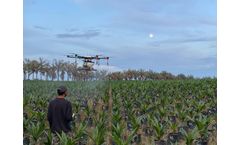
It's nothing new for farmers to use technology to improve their crops and livestock. For example, in England in 1840, agricultural power was driven by steam-powered tractors, and in America in 1889, a petrol-engine-powered tractor was developed. ...
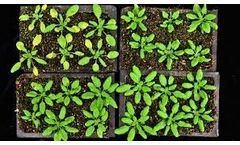
In a new study published in Cell, Duke University researchers have uncovered a key ingredient in plant cells that reprograms their protein-making machinery to fight disease. Crop production lost each year due to bacterial and fungal diseases amounts to 15%, or about $220 billion. ...

Blood coagulation issue X: molecular biology, inherited illness, and engineered therapeutics Blood coagulation issue X/Xa sits at a pivotal level in the coagulation cascade and has a job in every of the three main pathways (intrinsic, extrinsic and the widespread pathway). ...
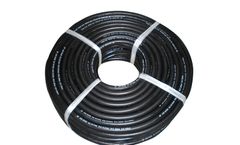
It is an ideal supporting pipe for compressors, engine parts, machinery maintenance, crop spraying and civil engineering equipment. ...

However, the farmer’s business mission is to optimize the yield and quality of their crops, which can be accomplished by optimizing water usage. For crop irrigation, optimal water efficiency means minimizing losses due to evaporation or runoff. With crop engineering, soil management and new technology and information, the ...

One list will include ingredients that are generally always genetically engineered. These include, for example, canola, field corn, soybeans and sugar beets. A second list includes crops that are not as commonly genetically engineered. For these commodities, such as apple, non-browning cultivars; corn, sweet; papaya; potato; and squash, summer ...

Sun Gro fulfills the demand for specific crop blends engineered to satisfy the needs of particular crops and growing styles. ...

Deal wants to know more because he figures if he can pinpoint the genetic material that controls this capacity, he might be able to find a way to switch it on in similar plants where it might be present but dormant. This would allow crops such as alfalfa to get by with less water. Deal is not the only one with an eye to applying genetic engineering to helping ...
ByEnsia
APHIS is responsible for regulating field trials of genetically modified crops and plants under the Plant Protection Act (PPA). EPA regulates genetically engineered microbes under TSCA, and genetically engineered pesticides and pesticides incorporated into plants under the Federal Insecticide, Fungicide, and Rodenticide Act (FIFRA). ...
An honest discussion of genetically modified organisms must move beyond narrow concepts of human health to the wider social and environmental impacts of engineered crops. The GMO debate is one from which I’ve kept a purposeful distance. ...
ByEnsia
But they’re not nearly as good as they could be: Thanks to quirks in the systems that have evolved to capture solar energy and use it to build sugars from carbon dioxide and water, the conversion efficiency of photosynthesis is but a few percent at best. With the need to produce more crops growing even faster than human population, it’s no surprise that scientists ...
ByEnsia
But fact of the matter is, with conversion rates hovering around 2 percent for our best crop fields, they’re by no means great. Even a slight increase in the efficiency with which they turn solar energy to biomass could dramatically boost crop productivity and so reduce the need to clear more land as demand for food skyrockets and the yield gains garnered ...
ByEnsia
Whereas many genetically modified crops today contain a single engineered gene, synthetic biology makes it easier to generate larger clusters of genes and gene parts. ...
ByEnsia

A substantial and growing body of literature now exists on the socio–economic impacts of genetically engineered (GE) crops. While the bulk of literature has focused on the primary impacts of commercialised GE technology, in terms of changes in yields, costs and profitability, researchers have increasingly addressed a range of additional questions such as the ...

Breed Better Seeds: Improved breeding has always been critical to agricultural progress and will remain fundamental. Genetic engineering can play a role, particularly because improved techniques now allow insertion of genes in particular locations, reducing the amount of trial and error necessary to produce crops with improved traits (such as pest or drought ...