
Refine by
Crop Enhancer Articles & Analysis
72 articles found

Reduce water usage through efficient spray systems and water recycling. Improve crop presentation, enhancing product value and driving sales in retail markets. ...
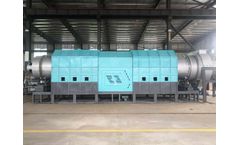
The biochar machine compatibility with variable feedstocks enhances this potential, allowing operators to adapt to seasonal or regional biomass flows. ...

This "untargeted" metabolomics approach is a powerful discovery engine, revealing unexpected metabolic shifts and identifying novel bioactive compounds that could be pivotal for crop improvement, drug discovery, or understanding ecological adaptation. ...
Understanding plant hormones is crucial for improving agricultural practices, enhancing crop sustainability, and bolstering resistance against adverse environmental conditions. ...
By Product Type: Fertilizers: Dominating the market and essential for enhancing crop yields. Nitrogenous fertilizers remain the most consumed globally. Pesticides: Increasing demand due to the necessity to combat pests and diseases affecting crops. Adjuvants: Used to enhance the effectiveness of other agrochemicals. ...

The thermal degradation of hemicellulose also aids in generating volatile compounds that can enhance the energy content of the final charcoal product, making it more efficient as a fuel source. 3. ...
Biochar, a stable form of carbon produced through pyrolysis of organic materials, not only helps in soil enhancement but also offers a promising avenue for generating carbon credits. ...
Biochar making machine converts organic material like crop residues, forest biomass, and animal manure into biochar through pyrolysis. ...
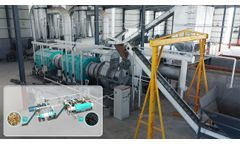
This enhanced soil structure leads to better root development and increased nutrient availability for crops. ...

Traditional farming methods, once sufficient, are now struggling to meet the demands of modern food production. New-age techniques in crop management provide innovative methods and technologies designed to maximize crop yield, enhance sustainability, and ensure food security for future ...

By leveraging data analytics, GPS, IoT, and various sensors, precision agriculture enables agronomists to make informed decisions, thereby enhancing crop yield and resource efficiency. This modern approach contrasts with traditional farming methods by emphasizing precision in monitoring, managing, and responding to field ...
Nutrient Retention: Biochar has a high cation exchange capacity (CEC), enabling it to retain nutrients such as nitrogen, phosphorus, and potassium in the soil. This enhances nutrient availability to plants, reduces leaching, and minimizes nutrient runoff into water bodies. pH Regulation: Biochar has the ability to buffer soil pH, making it suitable for a wide range of ...

Insect pheromones are highly specific and have been successfully used to control pest populations, monitor insect activity, and enhance mating in agricultural crops. Oleyl alcohol has several advantages when used as a pheromone. ...
Biochar, a type of charcoal produced through pyrolysis, possesses unique properties that enhance soil structure, water retention, and nutrient availability. By incorporating jute stick charcoal into agricultural soils, farmers can sequester carbon, mitigate climate change, and enhance crop productivity. ...

Breeding and genetic engineering: Analyzing vitamin levels in different plant varieties can guide breeding programs to develop crops with enhanced vitamin content. Additionally, genetic engineering techniques can be employed to increase vitamin biosynthesis in plants. Sustainability and food security: Improving the nutritional profile of crops ...

This can help reduce water wastage and ensure that crops receive adequate moisture during critical growth stages. Crop Monitoring: Portable soil EC detectors can also be used to monitor crop health and growth rates. By taking regular soil EC readings at different stages of crop development, farmers can identify areas of the field ...
ByJXCT
Sustainable Agricultural Practices with Biochar Soil Enrichment through Biochar One of the primary benefits of biochar in agriculture is its ability to enhance soil fertility. Biochar acts as a stable carbon source, improving soil structure, water retention, and nutrient availability. ...

Benefits of Soil NPK Sensors The adoption of soil NPK sensors offers a multitude of benefits to farmers, including: Precision Nutrient Application: By pinpointing nutrient deficiencies and excesses, farmers can precisely apply fertilizers, minimizing the risk of over- or under-application and reducing nutrient runoff and environmental impact. Enhanced Crop ...
By monitoring soil nutrient levels, soil sensors facilitate precision fertilization, allowing farmers to apply fertilizers only when and where necessary, preventing nutrient leaching and minimizing environmental impact. Optimizing Crop Management for Enhanced Yields Soil pH, a crucial parameter for plant growth, can be effectively monitored using soil sensors. ...
Benefits of Smart Soil Sensor Systems Smart soil sensor systems offer a multitude of benefits that enhance irrigation efficiency and promote sustainable agriculture: 1. ...