
Refine by
Crop Growth Articles & Analysis
276 articles found

These characteristics can help improve crop productivity, particularly in degraded or nutrient-deficient soils. ...

Introduction: A Subtle Shift with Lasting Consequences Salinity is often associated with oceans and coastal environments, but it can also emerge in places where it’s far less expected: soils, aquifers, and freshwater ecosystems. When chloride levels increase, whether from brine spills, industrial activity, or road salts, it can elevate salinity in the subsurface. Unlike many contaminants, ...
ByLiORA
Industrial operations generate tough wastewater—and outdated treatment methods often cannot keep up. If contaminants are not properly removed, they threaten compliance, equipment reliability, and the environment. Leading companies are searching for smarter, more efficient technologies that deliver cleaner water, reduce operational burdens, and provide long-term ...

Biofilm is a community of bacteria and fungi embedded in a glue-like structure that adheres to the surfaces of pipes, forming a protective layer. Bacteria like Legionella and Staphylococcus, among others, grow in a slimy mould and are difficult to kill and remove. Biofilms can develop easily in water pipes, industrial cooling systems, and even rivers and streams. Any efficient water treatment ...
Biochar is a type of charcoal that is produced from organic materials such as wood, leaves, crop residues, and manure through a process called pyrolysis. Pyrolysis involves heating these materials in a low - oxygen environment, typically at temperatures between 300 - 800°C. ...

These hormones delay leaf senescence, encourage the growth of lateral buds, and, in conjunction with auxins, regulate apical dominance. ...

Humidity and moisture content significantly impact various industries, from construction to agriculture. Measuring moisture in materials is essential to maintain quality, ensure safety, and enhance durability. In this blog post, we will explore the importance of moisture measurement, methods to detect moisture, and the potential consequences of neglecting moisture levels. ...

The ability of phosphorus compounds to improve crop yield and promote plant growth underscores their importance in sustainable agriculture. ...

It can also cause acid rain, damage crops, reduce plant growth and productivity, and harm wildlife. Since 99% of the global population breathes air that exceeds WHO quality guideline limits [1,2], this is a widespread issue. ...
ByB&W Tek
While plants absorb CO2 during growth, burning them releases that carbon back into the atmosphere, negating any previous carbon sequestration efforts. ...

The Agriculture industry serves as the backbone of global food production, contributing to livelihoods and economic growth. Plastics play a vital role in this pivotal industry. Their contributions to water conservation, crop protection, soil health and automation have revolutionized traditional farming practices, increasing efficiency, productivity and ...
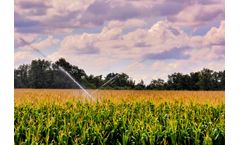
Therefore, contemporary field irrigation systems have developed as an all-important tool to facilitate crop growth, increase yield, and effectively utilize water ...
As biochar enhances nutrient retention and promotes healthier plant growth, it can reduce reliance on chemical inputs. This not only lowers production costs for farmers but also reduces the environmental impact of agriculture, creating a sustainable loop where waste products contribute to the growth of future crops. ...

Precision agriculture is a revolutionary approach that leverages technology to optimize farming practices. Precision agriculture systems offer a modern solution to these age-old problems, enabling farms to enhance productivity, reduce waste, and improve sustainability. ...
When it comes to agriculture, weather is an important aspect that determines crop health and yield. Unpredictable weather patterns pose a continuous challenge to farms, often leading to substantial crop losses and financial setbacks. However, with the innovation of advanced technology, leveraging weather data in agriculture has become a critical tool in crop management. By integrating weather ...
Agriculture has been the backbone of human civilization for generations, providing the essential resources needed for survival and growth. As global populations continue to rise, the demand for food production has never been greater. Traditional farming methods, once sufficient, are now struggling to meet the demands of modern food production. New-age techniques in ...

Through the meter, farmers can understand the different electricity usage patterns of different fields, different crops, and identify excessive usage issues, allowing them to take timely measures to reduce electricity costs. For example, during irrigation, the meter can automatically control the irrigation equipment based on soil moisture and crop water ...
For centuries, farms have struggled with the unpredictable forces of nature, battling everything from adverse weather conditions to pest infestations and soil degradation. Traditional farm management methods often rely on past data and manual observations, making it difficult to adapt quickly to changing conditions. As global populations rise and the demand for food production intensifies, the ...
Soil amendments are the substances that applied to or mixed into the topsoil to improve physical, chemical and biological properties of soil and plant growth. They can improve soil fertility, promote the growth and reproduction of microorganisms in the soil, improve the agricultural productivity of soil and improve the environment for plant ...
One exemplary case of digital transformation is Shree Agro Group’s adoption of KhetiBuddy’s Farmer Engagement and Management Solution. This initiative not only propelled their sales but also strengthened their relationships with farmers and dealers, setting a new benchmark in agricultural ...