
Refine by
Crop Input Articles & Analysis
54 articles found

Transforming Agricultural Residues The biochar machine operates through carbonization, a thermochemical process conducted under oxygen-limited conditions. Crop residues, forestry offcuts, and animal waste are introduced into the system, where high temperatures convert them into a porous, carbon-rich solid. ...
This, in turn, results in better resource management, lowered input costs, and a greater crop yield per unit area. Planting, fertilizing, and harvesting are carried out with little overlap and wastage with GNSS-enabled machinery. ...

Nutrient management planning is about making sure that crop nutrient needs are met without over fertilizing. It aims to optimize crop yield and quality, minimize input costs, and protect soil, water and air quality. PEI Soil and Crop is demonstrating and evaluating ongoing nutrient research with many groups and individuals. ...

Correctly interpreting soil sensor readings is critical to optimizing crop growth and yield while reducing inputs and environmental impacts.Learn about soil sensor readings:The first step is to understand the specific parameters that the sensor measures. ...
ByJXCT
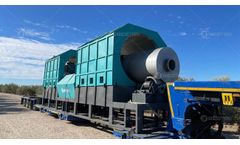
Carbon Footprint: The incorporation of wood charcoal into agricultural practices results in a reduced carbon footprint for farming operations, aligning with sustainability goals and environmental conservation. Economic Benefits Increased Crop Value: Improved crop yields and quality associated with the use of wood charcoal translate into increased ...

Good irrigation management can make crops grow better, use fewer inputs, and increase profits. Soil moisture sensors help with good irrigation management. They are a useful tool to help irrigators understand what is happening in the root zone of crops. Essentially, a Soil moisture sensor measures the quantity of water contained in media such as ...

Indexes plant health status throughout the crop cycle. Predicts best fertilizing windows and computing the most cost-efficient amount of inputs based on crop status, input costs, predictive yields and crop value. ...
ByAGRIVI
Crop plans may be as old as farming, but the latest in farm management software takes your farm’s success to a new level. ...

Satellite remote sensing data is critical for monitoring soil, drought, snow cover, and crop development. Satellite rainfall estimates, for example, assist farmers in planning the quantity and timing of irrigation required for their crops. ...

Crop registration - an essential piece of the puzzle No matter how well controlled a growing environment is, environmental conditions are bound to vary from time to time. This can be due to the weather conditions in your natural climate, interactions between different plant species or even changes in your operational practices. It’s essential to gain knowledge and understanding of all of ...

SourceTrace is collaborating with Small Farmers Agri-business consortium (SFACH) and Haryana Horticulture Department, deploying its digital solutions to support the horticulture farmers of Haryana. Haryana Horticulture Department is committed to providing a responsive and effective mechanism for the welfare of farmers and farm-based communities and recognizes the need to harness the growing power ...

We explore how it can benefit farmers to increase yields and lower crop establishment input costs, as well as how it can fundamentally improve soil health and benefit the environment. ...
Soil moisture is not only important for crop production, input decisions and yield outcomes – it is an important determinant of runoff volume, flood risk and greenhouse gas emissions from agriculture soil, such as nitrous oxide (N2O). ...
Good nutrient management increases your potential crop yield and builds more resilient crops. It also means you will reduce waste and maximize profits as you deal with price fluctuations in both inputs purchased and products sold. ...

A farmer’s day may be different every day during the growing season but the one constant is that each day is dedicated to doing what needs to be done for a healthy crop. Today’s growers also know that they are the custodians of the soil they farm. ...
When considering your overall ROI, here are a few keyways you can use to measure the success of your variable rate program: Investing where it matters most – While you’re trying to maximize your yield on every acre, you’re also controlling costs and getting the most of every dollar spent on inputs and seed. Optimized yields – This is typically the ...
Our team of experienced agronomists and technicians work with you to explore the driving factors of each area of your farm, providing a tailored prescription based on the needs of each crop variety, field and zone. With unmatched customer support designed to simplify precision agriculture for you, your crop plans and inputs will also align to the ...
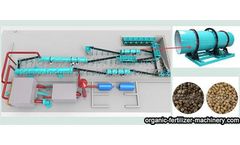
Advantages of NPK fertilizer production line in processing special fertilizer NPK fertilizer production line is mainly to mix all kinds of different nutrients particles together, or add some other trace elements properly, so as to ensure the growth of crops. The biggest advantage of NPK fertilizer production line is that it can produce fertilizer according to many factors such as ...

Bayer is investing more than $2.7 billion annually in research to provide a complete portfolio of seeds and traits, crop protection products and digital applications that is unmatched in our industry. ...
The yield analysis tool in FieldView™ allows you to easily review crop performance from your fields to make decisions for next spring and can uncover trends in your harvest data that might have gone unnoticed otherwise. ...