
Refine by
Crop Management Practice Articles & Analysis
28 articles found

When it comes to agriculture, weather is an important aspect that determines crop health and yield. Unpredictable weather patterns pose a continuous challenge to farms, often leading to substantial crop losses and financial setbacks. However, with the innovation of advanced technology, leveraging weather data in agriculture has become a critical tool in crop management. By integrating weather ...

Introduction: Water scarcity and the need for sustainable water management practices are becoming increasingly critical in agriculture. ...
ByJXCT
Monitoring soil health is essential for farmers to make informed decisions about crop management practices, fertilizer application, and irrigation strategies. ...
ByJXCT
By mapping variations in soil properties, farmers can tailor their management practices to optimize crop growth and resource use. Water Conservation: Monitoring soil moisture levels with sensors allows farmers to apply water precisely where and when it is needed, reducing water waste and energy consumption associated with irrigation. ...
ByJXCT
Introduction: Soil management is a critical aspect of agriculture, directly impacting crop productivity and sustainability. ...
ByJXCT

This real-time information empowers farmers with unparalleled insights into their soil health, allowing them to make informed decisions and optimize their farming practices. Revolutionizing Irrigation Management One of the most significant impacts of intelligent soil sensors is on irrigation practices. ...
This information helps farmers to determine the amount of water required by their crops and ensures efficient irrigation. Proper water management is crucial for healthy plant growth and yield production, as it maintains the moisture levels in the soil, promotes nutrient solubility, and prevents waterlogging or drought conditions. ...
Background: Water is a scarce resource in many parts of the world, and its effective management is essential for sustainable agricultural production. Water sensors have become a key tool for monitoring and managing water resources, with a particular focus on agricultural applications. ...
ByJXCT
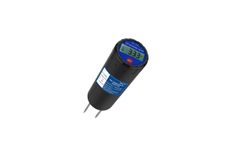
By measuring soil EC, farmers can gain insights into soil moisture levels and adjust irrigation practices accordingly. This helps in optimizing water usage, preventing over- or under-irrigation, and promoting efficient water management. ...
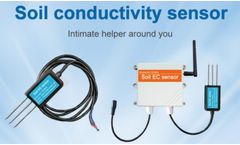
Soil EC sensors have emerged as a valuable tool in precision agriculture, helping farmers make informed decisions regarding nutrient management and irrigation practices. In this article, we will explore the benefits and applications of soil EC sensors in optimizing crop yield, and how they contribute to sustainable and efficient farming ...
The sensor is embedded into the soil to provide continuous data on the soil conditions, allowing farmers and researchers to make informed decisions about their crops and soil management practices.The need for an integrated soil sensor arises from the fact that soil is a complex and dynamic system. ...

Mitigates for deviations by monitoring input use analytics by field, crop and varietals. 3) Improve Management of Workers and Field Operations Efficiently overseeing the farm crew can make or break an agricultural company. ...
ByAGRIVI

Stepping forward with technological advancements Agriculture is one of the oldest industries known to man, and many traditional methods and commercial farming practices are still unrivalled. However, technological advancements are continuing at a rapid pace, and rather than shun these, commercial farmers can utilise them to improve their operations. Technology will probably ...

Western Canada has a short growing season which makes another pass for top dressing fertilizer sometimes difficult to achieve. Many crops have the fertilizer applied during the seeding season with Liquid Distribution Systems, (like these kits we make here). Often this will meet the crops fertilizer requirements for the whole season. Making one pass makes sense in a season that brings the right ...

So, let’s talk about the roll N, P, and K each play in the soil, how implementing VRT can prevent nutrient loss, and some tips for adding loss prevention to your nutrient management plan. Nitrogen (N) Nitrogen is the most important nutrient for crop production, but it’s also most susceptible to being lost before your crop can use ...
ByGrowers

‘Flood risk from modern agricultural practices can be mitigated with interventions’ is a highly readable and descriptive text that reviews changes over the past 50 years in UK land use and management practices, driven by UK and EU agricultural policies. ...

Joe Storlien from the Texas A&M University Department of Soil & Crop Sciences. During the production of bioenergy crops, GHGs such as carbon dioxide, nitrous oxide and methane are lost from the soil through both natural and managed biogeochemical processes, and the researchers were able to measure these gases by installing collars ...
Joe Storlien from the Texas A&M University Department of Soil & Crop Sciences. During the production of bioenergy crops, GHGs such as carbon dioxide, nitrous oxide and methane are lost from the soil through both natural and managed biogeochemical processes, and the researchers were able to measure these gases by installing collars within ...

Paradigm shift Fortunately, there are agroecological options available, such as conservation agriculture and the System of Rice Intensification (SRI), which differ from high-tech and input-dependent production systems. Agroecological management systems capitalise on the potential for more productive and robust crops from existing plant genomes and on their ...
The introduction of higher yield crop varieties and better agricultural management practices have saved and improved millions of lives. ...