
Crop Probe Articles & Analysis
8 articles found

These sensors usually have two or more stainless steel probes that are inserted into the soil to a specific depth, depending on the crop being grown. The probes are then connected to a handheld meter, which displays the EC value. ...
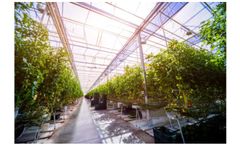
There is a surprising shortage of information out there on the topic of crop steering, but it’s the main reason that we’ve decided to make an additional detachable soil probe available to purchase in conjunction with the Grow Sensor. ...

He said the probe helps understand soil moisture from the perspective of the crop’s root system. ...

Field days and trade shows looked a little different than usual in 2020. In July, Kendall Gee of Crop Intelligence, and Curtis Russell with Taurus Ag Marketing https://www.taurus.ag/team/ met in a canola field southeast of Regina to discuss how soil moisture data can help inform farm decision making throughout the growing season. The video includes a walk-through of live data ...

In terms of what we currently consider soil moisture probes, it’s been 12-plus years. Patrick: Tell us about what you see as the primary benefits for farmers in using the GroGuru permanent installation soil monitoring system, especially for broad acre row crops and field crops. ...
ByGroGuru
I was introduced to Crop Intelligence and soil moisture probes in the spring of 2018 by Ryan Hutchison. That fall, I joined South Country Equipment as a Crop Intelligence Agronomist and put two stations on my family farm in SE Saskatchewan for the 2019 season. This was De Roo Family Farms first year using Crop Intelligence, but I ...

A reference ET is the calculated ET for a standard grass of a standard height. The ET for a specific crop could then be calculated by simply multiplying the reference ET by a crop coefficient. With the development of better and more reliable weather instruments, farm agencies could publish reference ET values along with the crop coefficients so ...
It is believed by some archeologists that the ancient Mesoamericans extracted water from clay confining layers for their crops. Soil moisture probes such as the HydraProbe are deployed in archeological sites to better understand the soil hydrology and to help us understand the day-to-day lives of our distant ancestors. ...