
Refine by
Cryopreservation Articles & Analysis
29 articles found
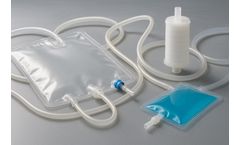
Waste Disposal Capture process waste using materials such as polyethylene and polyvinyl chloride that balance durability and cost while accommodating fluctuating temperatures and pH levels. Cryopreservation Use flexible, durable polymers such as thermoplastic elastomers and low-temperature polyolefin to prevent cold cracking and safeguard the end product for therapy ...

Fluoropolymers: A Critical Enabler in Cell and Gene Therapies Cell and gene therapies are revolutionizing medicine, offering cures for rare diseases and innovative treatments for cancer. Behind every successful therapy is a precise and sterile manufacturing process—where the choice of materials can make the difference between success and ...

It provides insight into cellular health, growth potential, and the effects of treatments such as cryopreservation, toxins, or genetic modification. Unlike animal cells, plant cells have rigid cell walls and secondary metabolites that make viability measurement more complex. ...
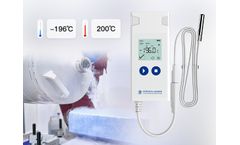
Liquid nitrogen is often used for cryopreservation, biological sample refrigeration, cooling processes, etc., and is sensitive to temperature fluctuations. ...

· Stable and Scalable Systems – The ability to cryopreserve organoids in biobanks and expand them indefinitely arises from their self-renewal capabilities, stem cell differentiation, and inherent self-organization, resulting in a reliable and consistent research model. ...
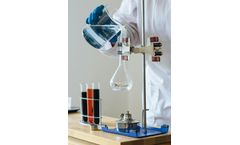
The process of Cell Line Adaptation enables cells to adjust to new environments which maximizes their viability and ensures experimental reproducibility. Our Cell Cryopreservation & Cell Banking service delivers contamination-free storage solutions that maintain cell viability for long-term accessibility. ...
Innovations in preservation techniques, such as cryopreservation, have also improved the viability of these cells for future use. ...

This service includes free consultation, cell line evaluation, sgRNA design and vector construction, homologous donor construction, cell transfection and selection, cell expansion and cryopreservation. Both pool cell and cell clone are available. We will work closely to ...
Since these cells mimic the properties of the liver, researchers can evaluate the metabolism, drug-drug interaction and toxicity of drug candidates in a cost-effective manner. Pooled Human Cryopreserved Hepatocytes In drug development, primary human hepatocytes are the most suitable system for uptake, metabolism, clearance, hepatotoxicity, drug-drug interaction, and other ...
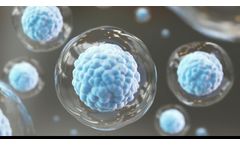
Because liquid nitrogen is a key parameter, it is used commonly used in cell therapeutics for various purposes, primarily in the context of cryopreservation and storage of cells. Therefore, the concentration of liquid nitrogen in the culture environment needs to be carefully controlled.We recently interviewed Judith Cooper, Executive Manager at Walking Fish Therapeutics to ...

From obtaining and preserving tissue samples, establishing organoid culture systems, to identifying and stabilizing organoids through cryopreservation and passaging, each step is filled with difficulties. Today, let's talk about the establishment of organoid culture systems, delving into the concepts of "customization" and "standardization" in organoid culture processes. ...
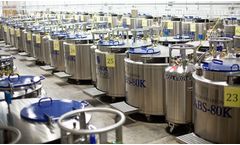
How are Biological Samples Stored? Cryopreservation is the most commonly used method for freezing and storing biological samples. This method most often uses liquid nitrogen (LN2) to achieve the ultra-low temperature necessary for cryopreservation, usually between -80°C and -196°C. Biorepositories use cryogenic freezers and LN2 to achieve and maintain ...
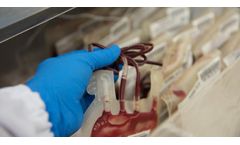
The remaining white blood cells and platelets are stored in a cryopreservation solution and frozen at temperatures below -80°C. The process keeps the cells alive until they are needed for transfusion. ...
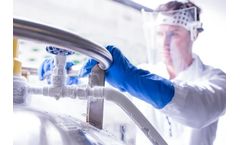
The Cryopreservation Process The Cryopreservation Process is where biological matter (cells, tissue, organs, etc) is preserved by cooling to a very low temperature. ...

Phyton Biotech develops and applies sustainable “green technology” manufacturing solutions for phytochemicals through its award-winning and proprietary Plant Cell Fermentation (PCF) process. The impact of this revolutionary technology is exemplified by Phyton’s environmentally responsible paclitaxel manufacturing ...

Findings were then validated in cryopreserved peripheral blood mononuclear cell samples from the same study, as well as an independent CyTOF dataset from a published metastatic melanoma trial. ...

Postimplantation immune response has also been reported in patients in whom cryopreserved vessels have been used, possibly leading to graft durability issues. ...

I believe the pandemic has also increased the suitability for hospitals and clinic to store cryopreserved therapies, often a bottleneck in providing “off the shelf” technology. A lot of research, not only from our laboratory but others, has gone into improving the functionality of cell-based products that undergo a cryopreservation step. Our novel ...
Historically, autogenous vein or cryopreserved cadaveric allograft has been used instead of extra-anatomic bypass with prosthetic material outside the infected wound.2,3 Recently, the use of a bioengineered human acellular vessel (HAV) has been documented to have low infections rates. ...
Used as high-grade electrical insulation material and protective layer Used as an insulation layer and sheath layer of marine cables Cable sheaths for rubber and plastic insulation and other outer plastics Materials used in the manufacture of blood transfusion bags and blood, blood products cryopreservation containers and tubes, droppers, etc. Used in the production of PVC ...