
Refine by
Deforestation Articles & Analysis
358 articles found
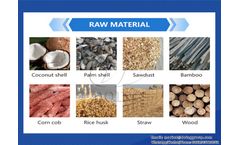
Agricultural residues, forestry waste, and other non-food biomass are typically accepted, while materials that cause deforestation or compete with food supplies are not. Requirement: Demonstrate the legal sourcing of raw materials, avoiding illegal logging or environmental destruction. ...

Traditional fuels, such as coal and firewood, not only contribute to deforestation but also release harmful smoke and greenhouse gases. Enter sawdust charcoal, a modern, environmentally friendly solution that transforms wood waste into clean, efficient fuel. ...
Traditional charcoal production relies on clear-cutting hardwood forests, contributing to deforestation and biodiversity loss—with the Food and Agriculture Organization (FAO) estimating that 15 million hectares of forest are lost annually to charcoal production. ...
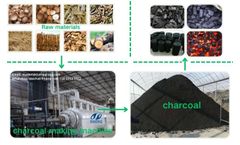
Environmentally Friendly Traditional charcoal production is notorious for deforestation and air pollution. In contrast, modern DOING charcoal machines feature closed-loop systems that recycle syngas for heating, reducing fuel consumption by 40%. ...
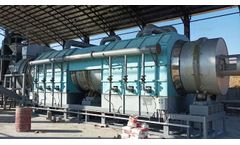
This not only reduces the need for chemical fertilizers—which often contribute to groundwater contamination—but also helps rehabilitate degraded land. In regions affected by deforestation or nutrient loss, biochar use fosters long-term soil health and resilience. ...

Unlike traditional methods that produce large amounts of smoke and contribute to deforestation, modern machines can utilize a variety of raw materials, including agricultural waste and recycled materials, to produce charcoal. ...

For construction companies weighing their options for erosion control products, finding the right erosion control solution is critical. With so many factors causing erosion, how to prevent soil erosion is a topic on the minds of many concerned landowners and construction professionals. In this article, we will discuss seven tips for preventing soil erosion and preserving natural ...
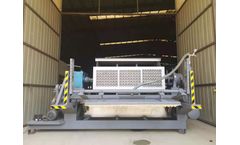
Instead of contributing to pollution, discarded paper products are repurposed into functional packaging, prolonging their lifecycle and mitigating deforestation. 2. Energy Conservation Processing recycled paper consumes considerably less energy compared to virgin pulp production. ...

Mining can lead to: • Water contamination from heavy metals • Air pollution from dust and emissions • Deforestation and land degradation • Waste generation from tailings and chemicals 11. ...
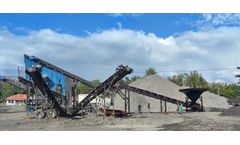
The mining and quarrying industries have long been associated with heavy environmental costs, from deforestation to excessive energy consumption. Yet, a transformative shift is underway. ...

The European Commission will shortly announce an omnibus package that aims to streamline these regulations on sustainability reporting, due diligence and deforestation. Read on to learn what your business needs to do to comply with the rules, and find out how using the right technology can also help you benefit from these directives. ...
Reduction in Greenhouse Gas Emissions Traditional biofuel production methods like biodiesel and ethanol rely heavily on large-scale monoculture farming, which can result in deforestation, habitat destruction, and significant carbon emissions during cultivation and processing. ...
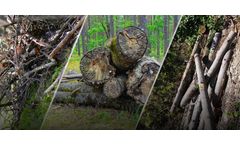
Charcoal derived from forest waste reduces reliance on deforestation for wood-based charcoal. This shift alleviates pressure on forest ecosystems, preserving biodiversity and promoting reforestation initiatives. ...
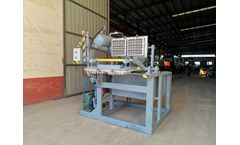
Recycled paper and other natural fibers are often the primary inputs, reducing the need for new raw materials and cutting down on deforestation. This practice is in direct alignment with sustainable resource management, as it helps mitigate the environmental impact of paper production, which typically involves significant water and energy consumption. ...

Increasing the demand for land use increases the risk of biodiversity loss due to deforestation and other land-use practices. Choosing materials that reduce the land needed for production releases the area for other commercial purposes (e.g. production of food, textiles, or, biomass for energy, textile fibers) or for restoring nature (e.g. reforestation etc), making this practice ...
Deforestation is a critical environmental issue that poses significant threats to biodiversity, climate stability, and the livelihoods of communities worldwide. One of the factors contributing to deforestation is the demand for charcoal, a widely used fuel source in many developing countries. ...

These materials are often sourced from mining operations, which can lead to environmental degradation, such as deforestation, water pollution, and habitat loss. In addition, the mining process itself can be energy-intensive and resource-intensive, contributing to greenhouse gas emissions and climate change. ...
Environmental Considerations Given global concerns about deforestation and carbon emissions, anyone engaged in charcoal making business must operate sustainably. ...

Flooding has become an increasingly common and devastating phenomenon, driven by factors such as climate change, urbanization, and deforestation. The frequency and severity of flood events have amplified the need for effective flood management solutions. ...
Environmental Benefits: Producing charcoal from coconut shells minimizes the need for deforestation and reduces greenhouse gas emissions compared to traditional charcoal. ...