
Dehydrogenation Articles & Analysis
19 articles found

Oxidation to alcohols, aldehydes, ketones and acids, dehydrogenation and cyclization to produce terpenes, addition of halogens or amino acids to produce halogen substitutions and amines, dehydration condensation of carboxylic acids and alcohols to produce esters or epoxides. ...
Alfa Chemistry’s Alumina Catalyst Carrier Portfolio Alfa Chemistry offers a diverse range of alumina catalyst carriers tailored to meet various industrial needs, each designed with specific features that optimize their performance in different chemical processes: l HGDH Type Dehydrogenation Catalyst Carriers: Perfect for fluidized bed dehydrogenation of ...
The industry leader Alfa Chemistry has introduced multiple alumina catalyst carrier products including but not limited to dehydrogenation catalyst carriers, spherical alumina carriers, and Raschig ring alumina carriers. ...

Petrochemical – Ammonia conversion, paraxylene, propane, PTA, styrene monomer dehydrogenation, gas dehydration, methanol, LAB, cumene, PSA, mercury removal, benzene absorption. ...
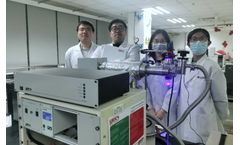
Kinetic study of catalytic reactions is vital to understand the reaction mechanisms and optimize the design of catalysts. Prof. Su’s group upgraded the HPR-20 system with their customer designed gas-inlet and in-situ reactor to explore the evolution of gas-phase chemicals during photocatalytic synthetic processes under realistic conditions. The system allows in-situ, quantitative probing ...
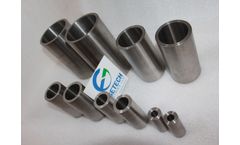
To avoid brittleness and reduce porosity, it is beneficial to use an appropriate cooling rate.Heat treatmentPost-sintering heat treatment includes: quenching, rapid cooling, atmospheric dehydrogenation treatment and surface hardening treatment, the purpose is to reduce the segregation of P, S and other impurities at the interface, reduce hydrogen embrittlement, improve alloy ...

In the Mobile Degassing Unit of aluminum alloy, an inert gas such as nitrogen or argon is blown in, the aluminum liquid is turned over, the impurities are floated, and the hydrogen is greatly dehydrogenated, which can greatly improve the quality of the aluminum alloy. ...

Biochemistry and molecular biology of lignification Lignins, which end result from the dehydrogenative polymerization of cinnamyl alcohols, are complicated heteropolymers deposited within the partitions of particular cells of upper crops. ...

Through the action of the limonine precursor dehydrogenase, in the presence of NAD+ or NADP+, the limonine precursor can be dehydrogenated. The enzyme is added to orange juice and treated at 30-40°C for one hour to debitter. 6. ...
Oxidoreductases All enzymes that can catalyze the oxidation-reduction reaction of a substrate are called oxidoreductases. In organic reactions, dehydrogenation and oxygenation are usually regarded as oxidation, and hydrodeoxygenation is regarded as reduction. ...

Abstract: A MoOx/Al2O3 catalyst was synthesised and tested for oxidative (ODP) and non-oxidative (DP) dehydrogenation of propane in a reaction cycle of ODP followed by DP and a second ODP run. ...
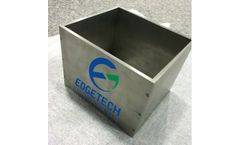
Heat treatment Post-sintering heat treatment includes: quenching, rapid cooling, atmospheric dehydrogenation treatment and surface hardening treatment, the purpose is to reduce the segregation of P, S and other impurities at the interface, reduce hydrogen embrittlement, improve alloy performance or meet other alloy performance requirements. ...
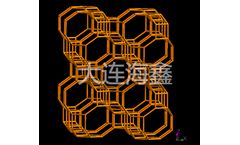
SAPO-34 has better cracking activity and higher selectivity for propene because of its proper acidity and good shape selectivity. 3, Application in alkenes to light alkenes(1)Oxidative dehydrogenation of ethane(2)Dehydrogenation of propane(3)Dehydrogenation of butane Dehydrogenation reaction is carried out on the higher acid ...

Petroleum Refinery Wastewater Streams Petroleum refineries generate multiple wastewater streams: Desalter water, a byproduct of washing raw crude before topping Sour water, or water used in steam stripping and fractionating that comes into contact with crude Process water from product washing, regenerating catalyst, and dehydrogenation reactions Spent caustic from the ...

Third, p-ethyltoluene was formed through Diels–Alder cycloaddition and dehydration of 2-ethyl-5-methyl-furan with ethylene over zeolite H-Beta. Dehydrogenation of p-ethyltoluene to yield p-methylstyrene completes the synthesis but was not investigated because it is a known process. ...
BySusChem

Bifunctional catalysts such as Pt/Ca-Y-zeolite catalysts are used in the hydrocracking process. The Pt allows for the dehydrogenation of reactants to alkenes and the hydrogenation of olefins whilst the zeolite component acts as a Br0nsted acid site which cracks the feedstock into intermediates fordehydrogenation/hydrogenation. ...

LC‐MS/MS characterization indicates dehydrogenation products as the major detectable products and demonstrates that major structural elements responsible for bioactivity in steroids are likely retained during biotransformation. ...

Butane is the base material for forming Butene through the dehydrogenation process and then for forming Butadiene. Butadiene is the base material for producing Styrene and Butadiene Rubber for different applications. ...

The effect of low power ultrasound on aerobic/anoxic digestion of activated sludge was investigated. First, dehydrogenate activity (DHA) and special oxygen uptake rate (SOUR) were detected to indicate the change of biological activity of sludge induced by ultrasound. ...