
Refine by
Diffuser Aerator Articles & Analysis
105 articles found
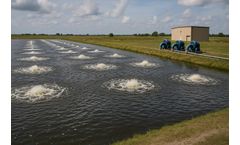
When a lagoon fails to meet nitrogen limits, operators tend to increase oxygen transfer by adding blowers, diffusers, or extending aeration cycles. These changes raise oxygen availability and improve treatment, but they also convert a one-time upgrade into a permanent energy obligation, since aeration must run continuously to sustain aerobic ...
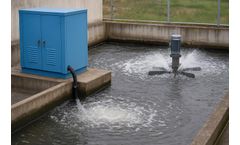
Bubble tank aeration and traditional mechanical aeration serve similar purposes but differ in efficiency, cost, and maintenance, with implications for operational performance and total cost of ownership.What is Bubble Tank Aeration?Bubble tank aeration uses a bubble tank cabinet and injects oxygen into the water. ...

Conversion of Jet Aeration to EDI Diffuser System brings energy savings and a quick return on investment. ...
Innovative SiteWorks installation of FlexAir Pro fine-bubble allows large northeastern plant to realize savings overnight. (Well, three days, but still.) Project Information Location: Bridgeport, CT Capacity: 30.0 MGD, (114,000 m³/day) Tanks: 6 Peak Flow: 50.0 MGD, (189,000 m³/day) Completion Date: 2017 ...
Serving a quarter-million Portuguese, StreamLine® system upgrade improves SOTE, energy savings, and effluent quality Project Information Location: Lisbon, Portugal Company: The plant is owned by Loures SMAS and is operated and managed by SIMTEJO, which is a government owned company integrated with Aguas de Portugal (also known as Aguas do Tejo Atlantico). Plant Built: 1997 Population: ...
Aeration upgrade allows plant huge savings and unexpected revenue opportunities. Project Information Project Type: Municipal wastewater treatment Completion Date: August 2013 Treatment Objectives: Financial and Energy Savings ...
SiteWorks fulfilling EDI's "Aeration for life" commitment over more than a decade with major American mozzarella producer. Project Information Type: Industrial Wastewater Treatment Location: Denver, CO Treatment Objectives: Ongoing, Reliable Treatment: Through the continuous relationship, Keep Plant Running Economically ...
Site Works called upon with turnkey membrane replacement of decade-old FlexAir MiniPanel aeration system. Project Information Location: Springfield, MO Project Type: Municipal Wastewater Treatment Siteworks Membrane Replacement Project Completion: 2017 System: EDI FlexAir Pro MiniPanel ...
Aeration Technology upgrades boosts capacity and improves effluent quality. Project Information Project Type: Municipal Wastewater Treatment Plant Completion Date: January 2023 Treatment Objectives: Design flow: 12 MGD Treatment requirements: BOD and Nutrient Removal ...
Produced-water recycling in central Oklahoma Project Information Project Type: Industrial Wastewater treatment Completion Date: July 2017 Treatment Objectives: Energy use: Reduced by 50% Cost reduction: $0.01-$0.04/barrel ...

How membrane aerated biofilm reactors support small communities, plant upgrades, and decentralized wastewater treatment Municipal wastewater utilities today are under increasing pressure to do more with less. Stricter nutrient discharge limits, expensive chemicals, aging infrastructure, landlocked areas, rising energy costs, and growing populations all demand treatment solutions that are ...

Wastewater treatment is a well-established component of modern infrastructure, and it is under increasing pressure from tightening environmental requirements, rising energy costs, and more complex wastewater streams. Traditional aeration technologies, once effective at maintaining aerobic biological activity, are becoming less effective and more expensive. Microbubble and nanobubble aeration is ...
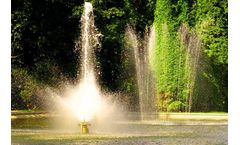
A healthy and visually pleasing pond demands the proper equipment. Whether homeowner, commercial property owner, or farmer, effective aeration and de-icing are the keys to keeping water clean, oxygenated, and ice-free when necessary. At Puroxi Pure Water Global Inc., we’re proud to have been leading in water quality for decades, and we’re now thrilled to be able to provide ...
Also, listen for the sound of the aerator motor, which should run continuously to keep the bacterial ecosystem active. ...
Maintaining a healthy pond ecosystem involves more than just regular maintenance and ensuring clear water. The aeration process is one of the most important aspects of keeping life alive in a pond. An aeration system for ponds is essential in encouraging water circulation, increasing oxygen levels, and enhancing the overall aquatic environment. Whether you have a small backyard pond or a massive ...
Lakes, ponds, and other freshwater bodies play critical roles in ecosystems: they provide wildlife habitats, recreation opportunities, and aesthetic beauty for the surrounding communities. However, many lakes develop water quality problems, such as symptoms developed from nutrient loads, algae blooms, and poor circulation that fail to fill their health. Hence, as the quality of water ...
The importance of proper aeration must be addressed in ensuring a healthy pond ecosystem. Aeration helps to maintain aerobic conditions in water, enhances the breakdown of organic material, and sustains life within water. Often, the task of choosing an aeration system for your pond is overwhelmed by too many options. This article will help you understand the differences between the various kinds ...

Operations Flow of 300,000 gallons/day at 200/300 ppm BOD into a 3 cell system, The1ST and 2ND cell each being 450?x 450? in size, aerated with a 30 HP blower-type Hind system. The 3RD cell is a finishing pond of one million gallons. The project started in August 2001 with the introduction of four-2HP WTR Fine Bubble Diffusion surface aerators ...

Backflow is among the most common causes of failure in bubble diffusion systems. Learn how adding only a few inches of elastomer can eliminate backflow risks and optimize diffused aeration processes. For a steadily growing percentage of wastewater treatment facilities, bubble diffusion systems are the centerpiece of an ...

The first step is accurately gauging the total effluent volume and flow rate with a survey to size the treatment capacity properly. In parallel, estimate if your production processes or volumes could expand, meaning greater effluent generation. The treatment selected must have adequate capacity. Quantifying both the current flow requirements and potential increases lets us identify and design ...