
Refine by
Digester Feedstock Articles & Analysis
32 articles found
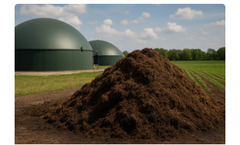
Solutions exist: the HRS Digestate Concentration System (DCS) reduces digestate volume while increasing its nutritional value. ...
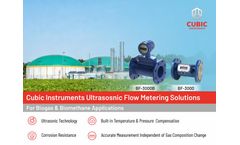
Gas composition varies significantly with feedstock type, digestion process, and operational conditions, leading to fluctuations in methane concentration that directly influence gas density and flow velocity. ...
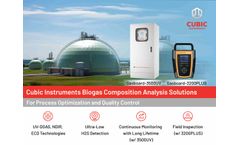
Operational Complexity Driving Demand for Real-Time and Accurate Biogas Analysis Unlike conventional industrial gases, biogas is produced under variable biological and environmental conditions. Fluctuations in feedstock composition, digestion temperature, and microbial activity can lead to sudden changes in CH4 and CO2 concentration, while H2S levels may rise ...
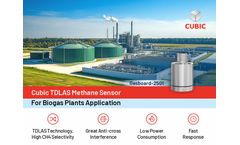
Throughout the operational chain, including feedstock pretreatment, anaerobic digestion, gas storage, and energy utilization, potential leakage pathways exist in pretreatment tanks, digester surroundings, gas storage facilities, boiler houses, and central control rooms. ...
Specifically, McKnight Transport Ltd; County Down, Northern Ireland, planned to develop an Anaerobic Digestion Plant, through which the primary feedstock would be a combination of food waste and chicken litter. This process would produce biogas which would be exploited for energy recovery using CHP technology. The end product of Anaerobic ...
ByDraygon
In a previous blog we discussed some of the pros and cons of BMP studies on anaerobic digesters. While they’re excellent for showing how much methane can be produced from a food substrate, they have less utility as a representative site study and will only work well in some cases. The best-case alternative is an on-site pilot-scale digesters using actual ...
Bio-methane potential (BMP) testing is a standard anaerobic lab test used to assess the methane production potential of different feedstocks in wastewater treatment systems. This testing can be applied pretty much universally for anaerobic sites, including mixed systems, lagoons (though sampling here can be a major hurdle), and UASBs. While BMP testing procedures can vary by site, the key points ...
Heat exchangers are commonly used for a wide range of purposes in the anaerobic and biogas sector, from digester heating and pasteurisation to evaporation, biogas dehumidification and exhaust gas heat recovery. With a wide range of types and designs available from numerous manufacturers, choosing the right solution, from the right supplier, can seem daunting. However, posing the right questions ...
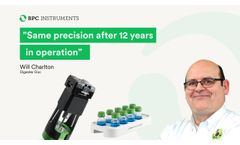
We had the opportunity to speak to Mr. Will Charlton, President of Digester Doc about his experience with BPC Instruments, AMPTS III and biomethane potential tests. How do you utilise BPC Instrument’s technologies in your company? BMP testing is central to Digester Doc services, and our exclusive choice for performing Biomethane Potential (BMP) tests is the AMPTS unit from BPC ...
One of the major focuses at Aquafix Labs in the past year has been improving our anaerobic digester study methods. So, we recently developed a “mini” digester method used to run anaerobic BMP screenings. To test this method, we ran a study to assess the impacts of a wide dose range of quats on methane ...
The liquid portion is then used as feedstock for anaerobic digestion to produce biogas. Advantages of Screw Press Separators: - **Efficiency:** Screw press separators are known for their high separation efficiency, making them a cost-effective choice for various ...
Summary Ana-Zyme G is a product designed for anaerobic systems to break down fats and long chain fatty acids into short chain fatty acids. This study was designed to evaluate the impacts of Ana-Zyme G on biogas generation in a mesophilic dairy digester with the feed supplemented with 2% heavy whipping cream. Testing was run as a BMP style test at 35°C (95°F) run in the ...
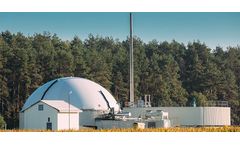
Different technologies can be used to tailor a solution that makes the most of specific feedstocks Anaerobic digestion is a natural biological process in which bacteria decompose organic matter in an oxygen-free environment. ...

Food and beverage operations are ideally positioned to enter the circular economy with waste-to-energy systems The food and beverage (F&B) industry is known for its high-load wastewater. In general, it’s estimated that wastewater sent to treatment utilities contains five times the energy needed to treat it, but the streams from F&B operations are often laden with fat, oil, and ...

Let’s take a look at these 5 highly effective tips that would help you accomplish a successful farm-based digester system. Have a crystal-clear plan and goal Like in any other important project, it takes proper planning with clearly defined goals and objectives for a successful digester project. ...
Feedstocks can include manure, sewage biosolids, and food wastes. Among anaerobic digestion’s advantages is its ability to treat high-load streams while producing valuable products, including energy. Anaerobic digestion can produce significantly more energy than required to operate the process. ...
Anaerobic digestion treats high-strength wastewater streams while producing energy for a range of processes The wastewater treatment process called anaerobic digestion is the kind of flexible solution that is bringing the circular economy from the drawing board to reality. Not only is it capable of treating high-strength wastewater streams that might overload conventional municipal ...
Heating is also required to compensate for heat losses from the digester to the atmosphere and to compensate for the thermal loads which occur when new feedstock is added to the digester. In some cases, cooling may also be required, for example where the feedstock coming into the digester comes from a higher ...
Our contribution was to examine the effect of autoclaving on the digestibility of food waste. The studies, which were partially funded by the EU, included small scale tests in Finland on material processed in our pilot scale autoclave in Poole, and larger scale tests over an extended period of time in a Biogen Greenfinch digester at Ludlow. ...
Adding waste-to-energy technology to wastewater treatment produces energy that can be used to power operations Anaerobic digestion (AD) is a biological process that uses microbes to biodegrade organic matter (feedstock) in the absence of oxygen. ...