
Refine by
Dioxin Articles & Analysis
261 articles found

By converting waste into electricity, waste-to-energy (WTE) plants play a critical role in supporting circular economy and sustainable urban development.However, the incineration process generates complex flue gas streams containing a wide range of pollutants, including:Carbon Monoxide (CO) Nitrogen Oxides (NOx) Sulfur Oxides (SOx) Hydrogen Chloride (HCl) Hydrogen Fluoride (HF) Volatile ...
Hazardous waste streams such as:Electroplating sludge Chemical residues Metal smelting waste Industrial solid waste Pyrolysis by-products typically produce exhaust gases with several treatment challenges:High CO Concentrations Carbon monoxide concentrations often range from 3,000 to 10,000 mg/m³, creating both environmental and safety concerns.Multiple Pollutants in One Exhaust Stream A single ...

Unlike conventional incineration, pyrolysis minimizes the generation of toxic gases such as dioxins, furans, and nitrogen oxides. Advanced operational controls, including temperature regulation and gas scrubbing systems, further reduce emissions, ensuring compliance with stringent air quality standards. ...
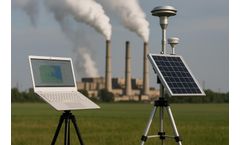
For Gas Deposition, the following IDs access diffusivity, cuticular resistance, and Henry's Law constants: HG0 (Elemental Mercury) HGII (Divalent Mercury) TCDD (Dioxin) BAP (Polycyclic Aromatic Hydrocarbons) SO2 NO2 For Method 2 particle deposition, fine mass fraction and mean particle diameter values are automatically associated with these IDs: POC (Polycyclic Aromatic ...
Unlike open burning or incineration, which releases particulate matter, dioxins, and furans—substances that are harmful to both human health and the environment—the oil sludge pyrolysis plant operates under controlled conditions. ...
Unlike incineration, pyrolysis does not produce harmful emissions such as dioxins, furans, or carbon monoxide, which are common byproducts of combustion. ...

Traditional landfilling will occupy land, and incineration will produce dioxins. Small-scale pyrolysis technology can achieve efficient resource conversion through precise temperature control and catalytic system. ...

This research began in 2000 and continued until December 17, 2001, when the U.S. Court of Appeals issued a ruling in favor of the State of New Jersey. Lakes Environmental Software was hired, on a sole source basis, to develop unique Environmental Justice solutions. The American 1964 Civil Rights Act – Title VI mandates that all federal fund transfers be suspended from States that ...
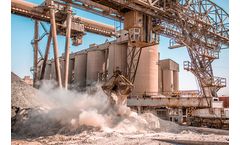
Although a lot of the emitted hazardous gases decomposes in the high temperatures, some may still slip through or react and form new hazardous substances, potentially resulting in emissions of for example dioxins and PCBs. In addition, both the basic reactions forming calcium silicates and the burning of the fuel give rise to high emissions of CO2.EMISSIONS CONTROL There is often ...
ByOPSIS AB
In the case of continuous plastic pyrolysis plant design, emphasis is placed on capturing volatile organic compounds, minimizing dioxin formation, and ensuring that flue gases remain within prescribed thresholds. ...
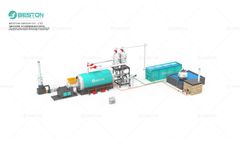
Its disposal or reuse must comply with hazardous waste regulations to prevent soil and groundwater contamination.Gas scrubbing systems are critical for mitigating the release of hydrochloric acid, dioxins, and other volatile organic compounds. Plants equipped with activated carbon filters and thermal oxidizers are better positioned to meet stringent air quality standards.Resource ...
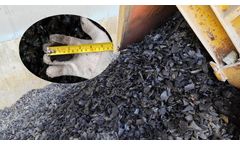
When stockpiled outdoors, tire fires release highly toxic substances like benzene and dioxins, contaminating air and groundwater. But now, Harden Machinery’s TDF (Tire-Derived Fuel) production technology is rewriting history—transforming waste tires into industrial "green coal"! ...
Reduced Pollution: Unlike incineration, pyrolysis minimizes harmful emissions like dioxins and CO₂ when managed properly. For example, a 2023 study in Environmental Science & Technology found that pyrolysis of ocean plastics could recover 85% of their energy content while diverting waste from oceans. ...
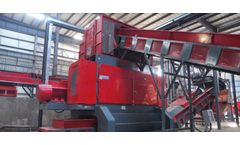
USA: Mixed solid waste is shredded into RDF, where 1 ton of RDF equals 0.8 tons of coal but costs 40% less, with annual consumption exceeding 500,000 tons. 2.2 A Specialist in Waste Management India: Single-shaft shredders process combustible municipal waste into 30mm RDF, which is exported to the Middle East or used in industrial kilns to replace fossil fuels, increasing combustion efficiency ...
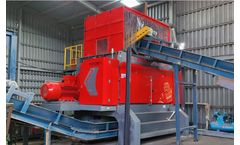
Chlorine purification: Most cement kilns come with a chlorine ion purification system, which reduces dioxin by 90% and zeroes out environmental risks. Step 4: Intelligent Combustion - the “decomposition stomach” The prepared RDF alternative fuels are typically transported through a step feeder and belt to the pre-heater platform, metered and weighed, then ...
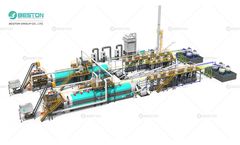
The absence of oxygen prevents combustion, ensuring that hydrocarbons are volatilized without producing harmful by-products like dioxins. 3. Vapor Recovery The hydrocarbon vapors are collected and condensed into liquid form, typically yielding a mixture of oil and water. ...
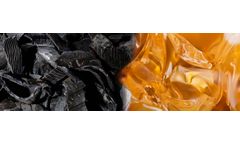
Incinerating tyres releases toxic gases, including dioxins and furans, into the atmosphere, contributing to air pollution. ...

A few years ago, OPSIS introduced the DX100 dioxins sampler primarily intended for waste-to-energy facilities required to monitor and report dioxins emissions. ...
ByOPSIS AB
Protective effect of Nigella sativa seed against aflatoxicosis in Oreochromis niloticus. Proc. Conf. Mycotoxins and Dioxins and the Environment, Bydgoszcz, 25 – 27 Sept., pp: 109 – 130. ...

The 2024 updates include: • Updated dioxins and furans numbers • More conservative xylene vapour inhalation numbers • Updated hydrocarbon subsoil offsite migration values • Minor edits to values for pyrene, parathion, silver, 1,2-dichlorobenzene, and fluoranthene 2. Why were the dioxins and furans numbers updated? The ...