
Refine by
Disease Early Articles & Analysis
90 articles found

The Precision Requirements of Modern Respiratory Diagnostics According to the World Health Organization, chronic obstructive pulmonary disease (COPD) is a leading cause of death globally, responsible for more than 3 million deaths every year. Given this substantial disease burden, early and accurate diagnosis is essential for effective prevention ...

As does approach parturition and early lactation, precise mineral intake supports fetal development, colostrum quality, immune transfer, and rebreeding performance.Why Kidding Season MattersDuring the final trimester, approximately 70 percent of fetal growth occurs, and the doe’s nutrient demand rises sharply as she supports rapid fetal development while preparing for colostrum ...

A biosensor is a device that measures a biological or chemical reaction by producing a signal that is proportional to the concentration of the analyte in the reaction. Biosensors are used in disease monitoring, drug development, and detection of pollutants, pathogenic microorganisms, and disease-indicating markers in body fluids (blood, urine, saliva, sweat). ...

Boron-doped carbon nanotubes, for example, could be used to develop electrochemical biosensors that are sensitive and reproducible, which can be used for drug discovery and early disease detection. Environmental Protection: Doped carbon nanotubes can also be useful in conservation. ...

This approach is especially beneficial for investigating diseases with immune dysregulation, such as cancer, autoimmune disorders, or infectious diseases, where multiple cytokines orchestrate pathological processes. ...

Metabolomics in Exosome Function and Disease Metabolomics of exosomes provides a snapshot of the metabolic landscape of the cell. ...

They are implicated in a wide range of conditions, from cardiovascular and metabolic disorders to neurological diseases and cancers. By facilitating the early stages of the drug development pipeline, GPCR Screening Services help streamline the identification of lead compounds, optimizing the chances of successful therapeutic outcomes. ...

Identifying specific conjugated protein markers can help in early disease detection and targeted treatment strategies. Furthermore, the advancement of recombinant DNA technology allows scientists to engineer proteins with desired conjugates. ...

Acetylation is a common post-translational modification of proteins, typically occurring on lysine residues of proteins, and plays a crucial role in regulating protein function, cell signaling, gene expression, and disease onset. For instance, the acetylation state of histones directly influences chromatin structure and the regulation of gene expression.Acetylation detection ...

Basic Biological ResearchBy studying the impact of acetylation on protein function, we can gain a deeper understanding of cell signal transduction, gene expression regulation, and cellular metabolic processes.2. Disease Mechanism ResearchAcetylated proteomics helps to identify abnormal protein acetylation patterns associated with various diseases (such as cancer, ...

Applications: Research: Mapping the architecture and alterations in the cytoskeleton in various diseases. Drug Discovery: Observing how pharmaceuticals affect cytoskeletal integrity. ...

Basic Biological ResearchReveal the molecular mechanisms of biological processes such as cell growth, differentiation, apoptosis, etc., by comparing the changes in proteomics under different conditions.2. Disease Biomarker ScreeningScreen proteins related to specific diseases by quantitative analysis of protein expression levels in patient samples, providing ...

The intricate interplay between these two epigenetic mechanisms is crucial for maintaining physiological balance and is of paramount importance in various disease states.For example, compared to early methods that required separate experimental methods to detect histone modifications and DNA methylation, ChIP-seq technology aids in targeted research on histone ...

Due to its efficiency and accuracy, 4D label-free proteomics have wide applications in biomedical research, disease biomarker identification, and drug development.Service Advantages1. ...

TMT label quantification proteomics technology has a wide range of applications in biomedical research, drug development, and disease diagnosis:1. Biomarker DiscoveryBy comparing samples under healthy and diseased states, TMT label quantitative proteomics can be used to identify potential biomarkers. These markers can be used for early ...
Unraveling Protein Functions Through the study of modified proteomics, we can gain a deeper understanding of how PTMs precisely regulate the structure and functions of proteins, thereby affecting a series of activities such as intracellular signal transduction, gene expression regulation, etc. 2. Exploring Disease Mechanisms Many diseases' onset and progression ...
Tyrosine Phosphorylation Mass Spectrometry is a powerful technique for identifying and quantifying protein tyrosine phosphorylation sites, and it is of significant importance in the research of various diseases such as cancer, immune system diseases, cardiovascular diseases, and more. ...
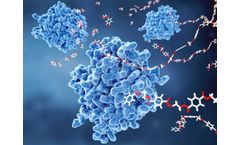
Beyond the kitchen, enzymes play a pivotal role in healthcare, enabling early disease detection and personalized treatments. Diagnostic enzymes empower healthcare professionals to pinpoint ailments accurately, while therapeutic enzymes serve as the architects of novel drugs, revolutionizing medical treatments. ...
By analyzing the changes of lipid biomarkers throughout the disease process and their interactions with other biomolecules, we can grasp the position of lipid metabolism disorders in the development of diseases as a whole and identify the possible pathogenesis. Identification of lipid indicators for disease diagnosis Lipidomics is used to ...

The concept of crop rotation dates back thousands of years, with ancient civilizations such as the Mesopotamians and Egyptians employing rudimentary forms of rotation to sustain their agricultural endeavors. The basic principle behind crop rotation is alternating the types of crops grown in a particular field over time to improve soil fertility, control pests, and maximize yields. In traditional ...