
Refine by
Disposal Management Articles & Analysis
227 articles found

Transforming Waste into Valuable Resources Industrial operations generate significant quantities of plastic waste, biomass, rubber, sludge, and other carbon-rich residues. Traditional disposal methods, including landfilling and incineration, often result in resource loss and increased greenhouse gas emissions. ...
The increasing generation of agricultural residues, forestry byproducts, and organic waste has created significant challenges for waste biomass management. Conventional disposal methods, including open burning and uncontrolled decomposition, often result in greenhouse gas emissions, nutrient loss, and environmental degradation. ...
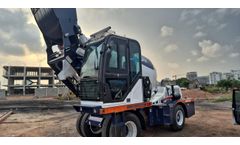
You eliminate material waste and reduce landfill disposal fees. Ultimately, this efficient resource management maximizes your business's long-term profit margins. ...
By converting waste into a marketable product, companies can recover a portion of their previous disposal expenses and even create a new profit stream. Beyond revenue, carbonization equipment can substantially reduce waste management costs. Traditional disposal methods, including landfill use and transportation, represent significant expenditures ...
Industrial waste management has become one of the defining environmental challenges of modern manufacturing economies. ...
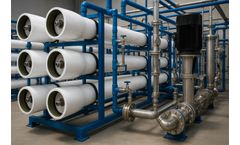
Overdesigning RO and downstream residuals treatment to maximize recovery can lock facilities into higher capital and operating costs without improving resilience or long-term compliance outcomes.Designing RO Systems With Residuals in MindEffective residuals management begins with system-level integration. Pretreatment, staged recovery, and targeted polishing can reduce ...

It is a growing flow of waste that requires new clothing recycling strategies, responsible clothes disposal practices and better management in every textile recycling facility. ...

But how is the recycling of plastic bottles managed? Stage 1: disposal and collection We accumulate the plastic containers in a bucket that, when filled, we will transfer to the nearest recycling container, in Spain, yellow. ...

A thorough exploration of these factors reveals that while the initial cost of reusable punnets can be significantly higher than disposable alternatives, their long-term benefits—if managed correctly—can outweigh initial expenditures, both financially and environmentally. ...
Increasingly, European operators treat recycling as an integral part of asset management, not a one-off disposal task. For these companies, Europe solar panel recycling costs are no longer just a cash flow issue—they directly impact asset valuation, financing terms, and M&A due diligence. ...
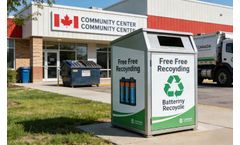
Most Canadian provinces (such as British Columbia, Ontario, and Quebec) have implemented EPR system, meaning that manufacturers and retailers of batteries are legally required to be responsible for the recycling and disposal of used batteries, including lithium batteries. At the same time, provinces generally strictly prohibit the disposal of lithium-ion ...
Many medical waste processors face challenges with traditional sharps management and disposal methods. Single-use containers require frequent replacements, disposal fees, and potential safety risks for staff handling full or overfilled containers. ...

For industrial parks, treatment solutions can transform wastewater from a liability into a valuable resource For decades, industrial parks have looked at wastewater treatment as just another unavoidable expense, a by-product of manufacturing to be managed, regulated, and disposed of. But that mindset is changing quickly. ...

Understanding waste management systems A good waste management system is a priority in any country. ...

Tertiary Treatment Filtration: Removes remaining solids through sand filters or pressure filters Disinfection: Chlorination, UV treatment, or ozone is used to kill pathogens Reverse Osmosis (RO) or Ultrafiltration: Used for advanced purification, especially when water reuse is required 5. Sludge Management Sludge Thickening and Dewatering: Removes excess water from sludge ...

Providing them with logbooks or digital monitoring systems encourages accountability and facilitates trend analysis over time.Working alongside OEM guidelines, tailoring the maintenance schedule to jobsite conditions — such as terrain, load frequency, and material type — further enhances the precision of upkeep.By treating the loading bucket as a critical asset rather than a ...
Managing medical waste disposal cost is a constant challenge for medical waste processors. Fuel and landfill fees are getting higher and regulations are getting tighter, which means it’s getting more expensive to maintain disposal equipment. At the same time, more hospitals and healthcare facilities want to work with companies that ...

• Resource Conservation and Recovery Act (RCRA) – Regulates the management and disposal of hazardous waste. Example: • In 2023, the EPA required 400+ manufacturing facilities to install pollution control equipment, preventing 73 million pounds of pollutants from being released. ...

The semiconductor industry’s pursuit of smaller, faster, and more efficient chips presents a growing challenge: silica management. Silica is integral to chip production, from raw materials like silica ingots to manufacturing processes. Effective silica management solutions for semiconductor companies are crucial for both product quality and adhering to environmental regulations. ...
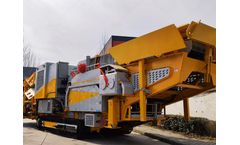
Strategic Plant Layout Positioning noisy equipment, like the primary stone crusher plant(planta trituradora de piedra), away from residential areas or sensitive ecosystems helps reduce the impact of noise pollution. 3. Water Management Solutions Recycling and Reuse Water is essential for dust suppression and washing aggregates. ...