
Dissolved Heavy Metals Articles & Analysis
30 articles found

Along with oil and gas a byproduct called produced water is brought to the surface during the exploration and production of oil and gas. During coal bed methane production wells are drilled into coals seams to allow the gas to release itself, but first water has to be pumped to the surface. This water contains some of the chemical characteristics and hydrocarbon from the formation because the ...

The challenges of treating mining wastewater are complex and multifaceted. Contaminants can include heavy metals, suspended solids, dissolved salts, and various chemicals used in mineral processing. ...

Water quality parameters such as pH, dissolved oxygen, turbidity, suspended solids, heavy metals, pesticides and other organic pollutants have a significant impact on human health and the environment. ...
ByJXCT

As the global population continues to urbanize, the challenge of managing municipal wastewater becomes increasingly critical. For the sake of environmental preservation and general public health, clean water is essential. Membrane technology has emerged as a groundbreaking solution in municipal wastewater treatment, offering efficient and effective methods to purify wastewater to stringent ...

While RO systems consist of multiple components, including pre-filters, UV sterilisation systems, pumps, flow meters, and interconnecting pipework, the decontamination process depends on membrane filters to remove contaminants. Membrane filters trap dissolved solids, such as dissolved salts, heavy metals, bacteria, viruses, and ...

The type, content and existing form of heavy metals in wastewater vary with different manufacturers. Since heavy metals cannot be decomposed and destroyed, they can only transfer their location and change their physical and chemical forms. For example, after chemical precipitation treatment, heavy ...

Exposures will occur over 8-hour workdays. Heavy metals may be dissolved in water due to the acidic content of surface and subsurface waters. ...
Produced water from the extraction process of oil and gas reserves, as well as flow back water from hydraulic fracturing operations, must be properly managed in order to mitigate any environmental impacts to existing water supplies caused by oil drilling/fracturing activities. Recent research and data indicate that the amount of produced water from these energy exploration and drilling ...
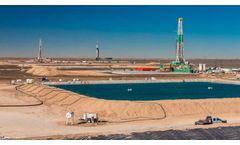
Flowback & Produced water generally is composed of a brackish solution containing relatively high levels of dissolved minerals, certain heavy metals, salts and organic compounds and potential sulfur reducing bacteria’s (SRB’s). The high levels of dissolved organic minerals, chemicals, salts and ...
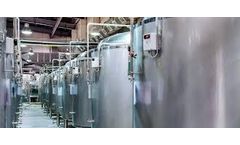
The influent feedwater contained troublesome contaminants like hardness minerals, dissolved salts, trace hydrocarbons, and a few heavy metals such as ferric iron.GWT designed, engineered, built, and supplied the system and a local implementation partner installed it with technical assistance from GWT. The system utilized reverse osmosis to remove ...
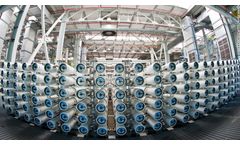
It contained traces of hydrocarbons as well as heavy metals, dissolved salts, and hardness minerals. Given a complete water analysis, GWT designed a customized treatment solution consisting of sediment and carbon filters followed by scale prevention to protect the reverse osmosis desalination membrane that removed the dissolved ...
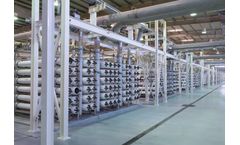
Experience has shown that tertiary RO waste water recycling with proper pretreatment in the primary and secondary stages has significantly reduced total dissolved solids, trace heavy metals, bacteria, viruses and other dissolved contaminants. ...
Because of this, the intensity and level of heavy metal contaminated wastewater is increasing gradually.The mounting levels of wastewater discharged from the mining sector is playing a pivotal role in environmental pollution. ...
The inlet feed water contained several contaminants including hardness minerals such as calcium/magnesium, dissolved salts, trace hydrocarbon and certain heavy metals including ferric iron. ...
Produced water generally is composed of a brackish solution containing relatively high levels of dissolved minerals, heavy metals, salts and organic compounds. The high levels of dissolved organic minerals, chemicals, salts and heavy metals require appropriate treatment solutions. ...

Detailed characterisation of rainwater tanks has highlighted that turbidity, dissolved organic carbon (DOC) and heavy metals, in particular lead, were not compliant with the 2004 Australian Drinking Water Guidelines (ADWG). ...

Produced Water Treatment for Recycle Produced water from an oil field that extracts oil by steam flooding is contaminated with oil, high dissolved solids including calcium, magnesium, chlorides, sulfates and silica. ...
Observed concentrations of total and dissolved heavy metals were compared to water quality guidelines that suggested a high likelihood of biological effects. Chloride was the only pollutant that indicated an early release and all other constituents showed a uniform release with snowmelt from the snowpack. The partitioning of ...
Urban water quality can be significantly impaired by the build-up of pollutants such as heavy metals and volatile organics on urban road surfaces due to vehicular traffic. ...
Metals are found in free and also in combined forms. In order to get information on the effect of free forms of heavy metals on earthworms the aqueous extracts of metals were tested on earthworms both in individual form and also in combined form. ...