
Refine by
Dizziness Headache Articles & Analysis
66 articles found

With limited toilet stops available, many drivers restrict what they drink in order to stay on track with their deliveries, but this is not good for your health during the summer months.In fact, dehydration can lead to issues such as fatigue, headaches and dizziness, which can all be extremely dangerous when behind the wheel. ...
ByFleetex

Cardiovascular Risks: Short-term exposure to high CO levels in enclosed airport spaces may reduce oxygen transport in the bloodstream, increasing the risk of dizziness, headaches, and, in severe cases, heart complications. Indoor Air Quality Concerns: Poor ventilation in terminals can cause CO2 buildup and VOC accumulation, leading to fatigue, reduced cognitive ...

With indoor air quality becoming a major concern for many households and businesses, CO2 meters are quickly gaining popularity. These devices help monitor carbon dioxide (CO2) levels in indoor spaces, ensuring a healthy and comfortable environment. If you’re new to the world of CO2 meters, this beginner’s guide will help you understand what to look for when buying one, and why ...
ByNomestic

As the temperatures rise and the sun blazes, staying hydrated becomes increasingly crucial. Whether you’re lounging by the pool, hiking a scenic trail, or simply running errands, the heat can quickly take a toll on your body. Proper hydration is essential for maintaining health, energy, and overall well-being during hot weather. In this post, we’ll explore why staying ...

Skin irritation, characterized by redness, rash, or itchiness, and eye irritation, including redness, watering, or itching, are also indicators of potential chemical exposure. Other signs may include headaches, dizziness, nausea, fatigue, or weakness. It is important for lab personnel to be vigilant and promptly report any concerning symptoms to ensure their ...

This helps to prevent health problems, such as respiratory irritation, dizziness, headaches, and other serious health issues caused by exposure to hazardous substances. ...

In this comprehensive look into the health effects of wildfire smoke, our primary focus will be on one of the most distressing symptoms: headaches. Headaches may seem trivial in the face of widespread destruction, but they often indicate more profound health issues. ...

When individuals are exposed to high CO2 concentrations, they may experience a host of health symptoms. Initial signs include mild headaches, dizziness, shortness of breath, and a noticeable decrease in cognitive function, such as concentration and decision-making abilities. As CO2 levels rise further, these symptoms can intensify, potentially leading to ...

But not only this, bad indoor quality of air can make the environment feel heavier, and workers feel more tired, in some cases even dizzy or produce a headache, which turns a situation such as a regular meeting into a very hard-to-perform task. ...

This can lead to symptoms such as headache, dizziness, nausea, confusion, and even death. Because CO is invisible and has no odor, it can be difficult to detect without the help of a carbon monoxide gas alarm.A carbon monoxide gas alarm is a device that detects the presence of CO in the air and sounds an alarm to alert people in the area. ...
After being moderately poisoned, headaches, dizziness, nausea, vomiting, and weakness begin to occur. But when people realize the poisoning, and then want to struggle to get out of bed and open the door and open the window, only a few people can do it. ...

At low concentrations, symptoms of CO2 exposure include headaches, dizziness, and tiredness but at very high concentrations, CO2 exposure can even cause convulsions, a coma or death.There are several industries where there is a risk of CO2 build up that could result in health issues for employees. ...

In addition, CO in the tail gas is a colorless, irritating and toxic gas, which can replace oxygen and combine with hemoglobin in human blood, weaken the oxygen supply of the human body and cause hypoxia. It can cause dizziness, headache, tinnitus, limb weakness and other symptoms. When the hypoxia is serious, it will lead to memory decline, slow reaction, and ...

As it is colourless and odourless, CO2 leaks can remain unnoticed until concentrations are sufficiently high to cause symptoms such as dizziness, headaches and raised heart rate and, later, have potentially fatal consequences.2 In Great Britain, as CO2 has been classed ‘substance hazardous to health’ since 2002, it is a legal requirement to have CO2 ...
Hazards: People who inhale high concentrations of toluene and xylene in a short period of time may experience dizziness, headache, nausea, chest tightness, fatigue and blurred consciousness in mild cases, or coma resulting in respiratory and circulatory failure and death in severe cases. If long-term exposure to a certain concentration of toluene and xylene will ...

The chemicals technicians use to eradicate pests can be harmful, causing skin irritation, headaches, dizziness, chest pain, blurred vision, and nausea. Long-term exposure to pesticides can lead to brain damage, respiratory tract disorders, skin conditions and organ failure. ...

Asphalt production and benzene exposure: Protecting staff with a safety-first approach and PID technology. Benzene is ever-present in the production of asphalt, and as a classified carcinogenic, managing exposure and minimising risk is critical for worker safety. ION Science, as a leading global OEM for gas instrumentation, has developed the only fixed detector on the market to specifically ...

When your blood sugar level is low the possible symptoms vary depending on just how low levels drop and can include: Sugar level drops below 70 mg/dl Sweating Nervousness, shakiness, weakness Extreme hunger Dizziness Headache Blurred vision Quickened heartbeat accompanied by feeling anxious Sugar level drops below 40 mg/dl Confusion and ...
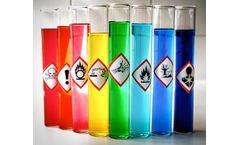
Prolonged exposure to nitric oxide and/or nitrogen dioxide may reduce the blood’s ability to transport oxygen, causing headaches, fatigue, dizziness, nausea, vomiting, unconsciousness, and even death. ...
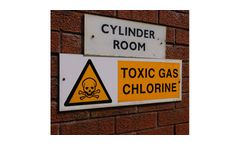
Contact with chlorine can severely irritate and burn the eyes and skin. Exposure can also cause headaches, dizziness, nausea, and vomiting. At high concentrations, and with prolonged exposure, inhalation of chlorine can cause sore throat, wheezing, coughing, chest tightness, pulmonary edema, permanent lung damage, and even death. ...