
Drinking Water Aquifer Articles & Analysis
22 articles found
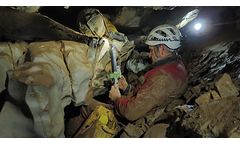
Karst aquifers provide the drinking water supply for half of the population of Slovenia, and a third of the population of Europe. ...

Aquifers are natural formations that store groundwater, but these vital structures are threatened The word “aquifer” means “water ...

Many of these aging systems are failing and leaching wastewater into waterways and aquifers, putting drinking water at risk. According to the U.S. Census Bureau, 26.1 million homes are served by septic tanks. ...
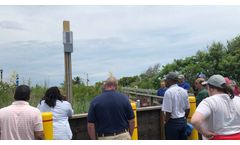
Overview A coastal town reliant on aquifers for its drinking water works to prevent saltwater intrusion by diversifying water sources and installing monitoring equipment to provide near-real-time, actionable data. Challenge During his many years in Bethany Beach, Delaware, Water Department Director Ron Foreman ...
A direct connection has been discovered between the contaminated aquifer and the Memphis aquifer, threatening drinking water for thousands. ...
The water-energy-food security nexus recognizes the complex interplay among agriculture, power generation, and drinking water. Taking an integrated approach to resource management is used to address ‘vicious cycle of fragility’ Fresh water is a basic human need that’s enmeshed in every aspect of human ...
While not as salty as seawater, the brackish water is too salty for drinking and irrigation. It can still be desalinated more easily than seawater, so it can be a viable drinking water resource far inland, but it still requires money and energy for treatment. ...
To secure a reliable source of drinking water and reduce reliance on stressed aquifers, in 2016, Reserva Conchal contacted Fluence to install a desalination plant. ...

This paper describes management options and interventions taken by the Government of Jordan to ensure that the quality of drinking water supplied to consumers via the Disi Water Conveyance Project (DWCP) meets Jordanian drinking water standards and WHO guidelines for drinking water quality in respect of their radiological composition. Results from an initial survey of radioactivity present in ...

Chlorinated solvents are a common threat to drinking water sources throughout the United States. While handling and disposal practices today are more closely regulated and monitored, this has not always been the case. With dry cleaners using tetrachloroethene (PCE) and industrial manufacturing facilities commonly using a variety of solvents from trichloroethene ...
In the aftermath of a natural disaster, particularly earthquakes, infrastructure could be damaged and a safe source of drinking water is often not available. This may be due to damaged pipes or water supplies becoming contaminated. ...

The industry usually calls the liquid waste "produced water," but other common terms include brine, saltwater and flowback. ...
The industry usually calls the liquid waste "produced water," but other common terms include brine, saltwater and flowback. ...

Furthermore, shale gas and oil production poses risks to local water supplies if contaminated water enters the water table and impacts sources of drinking water, or if it finds its way into surface waters. ...
In the coastal areas of Bangladesh, scarcity of drinking water is acute as freshwater aquifers are not available at suitable depths and surface water is highly saline. Households are mainly dependent on rainwater harvesting, pond sand filters and pond water for drinking purposes. Thus, ...

One of the biggest threats to public health today is unsafe water. A billion people across the world don’t have access to clean drinking water, in part because many subsurface aquifers have been poisoned. ...

For example, Nebraska residents have expressed concern because the proposed pipeline route crosses the Ogallala Aquifer, which supplies drinking water to approximately 2 million people. ...
Aerobic wastewater treatment systems (aerobic systems) are the preferred choice in a region overlying a karstic aquifer used for drinking water supplies, as they are thought to provide better protection to groundwater and human health than standard septic systems. ...
Numerous water recycling projects are serving industry and agriculture. Experimental managed aquifer recharge is being undertaken with wetland-treated stormwater in Adelaide and reverse osmosis treated wastewater in Perth. New National Water Quality Management Strategy recycled water guidelines have been developed for managing ...

The groundwater treatment system that Black & Veatch designed prevents site contamination from reaching the underlying drinking water aquifer. The Standard Chlorine of Delaware Site is a 65 acre area including an abandoned chlorobenzene manufacturing facility and surrounding woodlands, drainage areas, and wetlands. ...