
Refine by
Drinking Water Laboratory Articles & Analysis
19 articles found
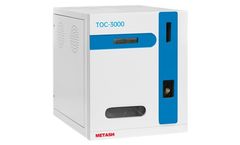
In 2026, China’s water quality monitoring framework has entered a pivotal stage. With stricter regulations under the revised Urban Sewage Treatment Plant Pollutant Discharge Standard and the newly implemented Ecological Environment Monitoring Regulation, the emphasis on ensuring safe and sustainable water use has never been stronger. Among various ...
Introduction Water management is a critical component of any educational institution's infrastructure. Schools, colleges, and universities require substantial amounts of water daily for drinking, sanitation, laboratories, cooling systems, irrigation, and other essential functions. Ensuring a reliable and sustainable ...
1. What is Watercare Laboratory Services? Watercare Laboratory Services is one of New Zealand’s largest water, wastewater, and environmental laboratories. It tests drinking water and wastewater for over one-third of the country’s population and operates the country’s largest air ...
Environmental Protection Agency (EPA) plays a pivotal role in ensuring the safety and accessibility of the nation’s drinking water. For laboratory professionals operating a Laboratory Information Management System (LIMS), understanding how EPA regulations intersect with laboratory operations can ...

Researchers rely on turbidity meters to assess sediment transport, study aquatic ecosystems, and understand the impact of human activities on natural environments. 5. Drinking Water Safety In the context of drinking water safety, turbidity measurement is critical to ensure that potable water meets the required ...
The Water Services Division of Public Works mission is to protect the health, safety and welfare of Fulton County’s citizens through systematic planning, construction, maintenance and operation of the water, wastewater and storm water infrastructure in the most sustainable, efficient and environmentally sound manner. Fulton County Public Works is staying on the cutting edge with its use of ...

The US EPA included PFOA and PFOS among the contaminants that public water systems are required to monitor under the third Unregulated Contaminant Monitoring Rule (UCMR 3) in 2012. ...
BySiREM

On the other hand, eco-friendly non-metal solutions, such as chitosan, can provide non-toxic sludge and water with no metal residue. In fact, Zr and chitosan have been utilized in full-scale operation by several water plants in Norway providing over 50,000 recipients in small and large municipalities with drinking water. ...
Industrial-scale ultrafiltration (UF) membrane systems have gained wide acceptance for producing safe drinking water. Laboratory and pilot plant studies are often carried out prior to the design of full-scale water treatment plants. ...
Public Water Systems (PWS), regulated by the United States Environmental Protection Agency (USEPA), provide drinking water to 90% of Americans. Water systems and laboratories testing drinking water for Safe Drinking Water Act (SDWA) compliance ...
Here are some of the key concerns you will need to navigate along the way. Certified laboratory: Often, you will hear that customers sent your product to a certified laboratory. ...
Investigations were carried out to evaluate and quantify colonization of laboratory-scale drinking water biofilms by a chromosomally green fluorescent protein (gfp)-tagged strain of Salmonella Typhimurium. ...
In Senegal there are four regions where fluoride concentration in drinking water exceeds the World Health Organization guide value of 1.5 mg/L. ...

Abstract Taste and odor are important to consumers when it comes to drinking water. Two compounds that are responsible for many taste and odor issues are geosmin and 2-methylisoborneol. Both of these compounds are produced by microbes and have very low odor thresholds. Because of this, many drinking water ...
The use of integrated membrane systems (a train of treatment processes incorporating one or more membranes) is increasing globally as the technology is very effective for the production of high quality drinking water. In this investigation a laboratory scale integrated membrane system (IMS) featuring coagulation, powdered activated carbon (PAC) ...
The main objective of this work was to investigate the effectiveness of ceramic ultrafiltration (UF) membranes with different pore sizes in removing natural organic matter (NOM) from model solutions and drinking water sources. A lab-scale, cross-flow ceramic membrane test unit was used in all experiments. Two different single-channel tubular ceramic membrane modules were tested with average pore ...
These compounds also have an extremely low odor detection threshold and because of this, many drinking water laboratories require detection levels of below 10ppt. This application note investigates the detection of Geosmin and 2-Methylisoborneol at a one part per trillion (ppt) level utilizing Purge and Trap (P&T) coupled with a Gas ...

Since 9/11 and there are still holes in security of the nation’s infrastructure, particularly for drinking water. This security deficit is currently being addressed in some community water systems with water monitoring instruments. In the 90s the EPA developed a wish list for monitoring contaminants in drinking water. Since that time biological and chemical contaminants have been ...

Beta Site Evaluation of the EPA Carbamate in Drinking Water Method 531.1 with Pickering Laboratories Pinnacle PCX Integrated LC/Post-Column Derivatization Instrument. ...